
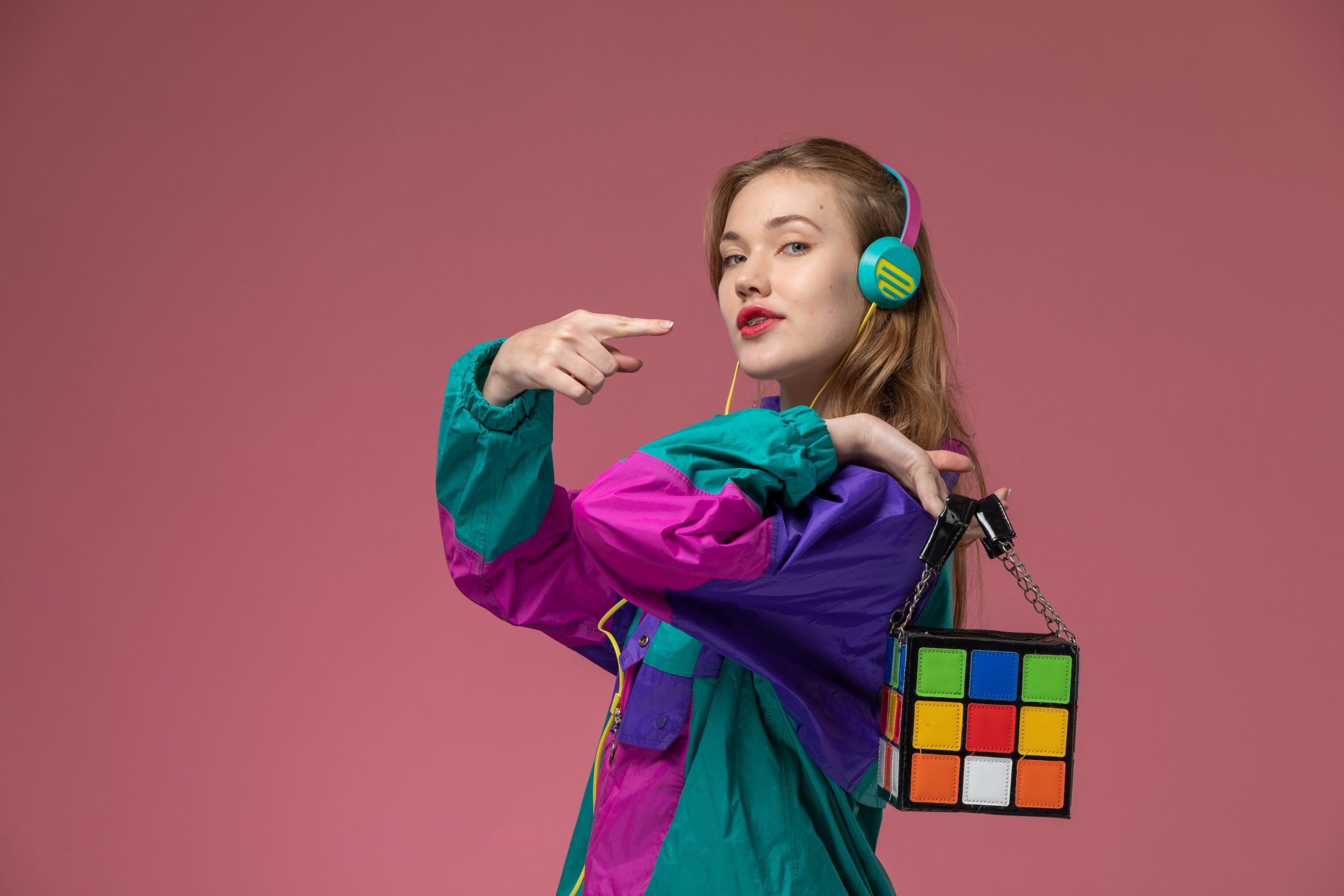
Think about your favorite outfit. What makes you love it? Is it the cut, the fabric, or the way it fits? The color plays a big role. Color is a powerful tool in fashion. It can make us feel happy, confident, or even calm. It’s not just about picking pretty shades; there’s a whole science behind it called color theory.
Understanding how colors work together can transform your wardrobe and help you express your personal style. For designers, color is even more critical. It sets the mood for a collection and can make or break a trend. From the bright neons of the 1980s to the muted tones of the 1990s, every decade has its own color story. This post will explore the basics of color theory and show how it has shaped fashion over the years. By the end, you’ll have a better understanding of how to use color to create outfits that are both modern and timeless, helping your child find their own unique style.
What Is Color Theory?
At its core, color theory is a set of principles used to create harmonious color combinations. It’s both a science and an art. The color wheel is the foundation of color theory, organizing colors in a way that shows the relationship between them. It was first developed by Sir Isaac Newton in the 17th century and has been a go-to tool for artists and designers ever since.
The color wheel helps us understand which colors look good together and why. It’s a simple circle that visually represents the spectrum of hues, making it easier to build palettes that are pleasing to the eye. For parents guiding their children through the world of personal style, understanding these basics can be a game-changer. It empowers them to make confident choices and build a wardrobe that reflects their personality.
The Color Wheel Explained
The color wheel is made up of three main categories of colors:
- Primary Colors: These are red, yellow, and blue. They are called primary because you can’t create them by mixing other colors. They are the building blocks for every other color on the wheel. Think of a simple, classic outfit: a blue blazer, a white shirt, and red accessories. It’s a timeless look built on primary colors.
- Secondary Colors: These are green, orange, and purple. You get them by mixing two primary colors. For example, mixing yellow and blue creates green. These colors are often used to add a bit of variety and interest to an outfit without being too overwhelming.
- Tertiary Colors: These are the colors you get when you mix a primary color with a secondary color. Examples include blue-green (teal) or red-orange (vermilion). Tertiary colors offer more subtle and nuanced shades, perfect for creating sophisticated and complex looks. They help bridge the gap between primary and secondary colors, adding depth to a color palette.
Understanding these basic categories is the first step in mastering color in fashion. It provides a framework for creating balanced and visually appealing outfits, whether for a school day or a special occasion.
Key Concepts in Color Theory
Beyond the basic color categories, there are a few more concepts that are important to know. These terms help describe the different qualities of a color and how they can be used in fashion.
- Hue, Saturation, and Value:
- Hue is simply the pure color itself, like red, blue, or green.
- Saturation refers to the intensity or purity of a color. A highly saturated color is bright and vibrant, while a less saturated color is more muted and subtle. Think of a bright, neon green t-shirt versus a soft, sage green one.
- Value is the lightness or darkness of a color. Adding white to a color creates a lighter value (a tint), while adding black creates a darker value (a shade). For example, pink is a tint of red, and navy is a shade of blue.
- Warm and Cool Colors: The color wheel can be divided into two sides: warm colors and cool colors.
- Warm colors, like red, orange, and yellow, are often associated with energy, excitement, and warmth. They tend to advance in space, meaning they can make an outfit feel more dynamic and eye-catching.
- Cool colors, like blue, green, and purple, are associated with calmness, serenity, and professionalism. They tend to recede, which can create a more subtle and understated look.
By understanding these concepts, you and your child can start to build a wardrobe that is not only stylish but also reflects their personality and mood. This knowledge fosters independence and confidence, allowing them to express themselves through their clothing choices.
Creating Harmony with Color Schemes
The real magic of color theory comes alive when you start combining colors. A color scheme is a planned combination of colors used in a design or outfit. Using established color schemes can help create a look that is balanced, cohesive, and visually appealing. Here are some of the most common color schemes used in fashion.
Monochromatic
A monochromatic color scheme uses different tints, shades, and tones of a single color. For example, an outfit could be made up of light blue, royal blue, and navy blue. This approach is simple yet incredibly chic and sophisticated. It creates a clean, streamlined look that is always in style. Monochromatic outfits are easy to put together and are a great way for young people to experiment with color safely and stylishly. It teaches them about the nuances of a single hue and how to create depth and interest through varying shades.
Analogous
An analogous color scheme uses colors that are next to each other on the color wheel. For example, you might combine yellow, yellow-green, and green. This creates a harmonious and serene look because the colors are closely related. Analogous schemes are often found in nature, which is why they feel so calming and pleasing to the eye. An outfit using analogous colors can feel very cohesive and thoughtful, making it a great choice for creating a polished look.
Complementary
A complementary color scheme uses colors that are directly opposite each other on the color wheel, such as red and green or blue and orange. This combination creates high contrast and makes both colors appear brighter and more vibrant. It’s a bold choice that can create a lot of visual excitement. For a less intense look, you can use one color as the main color and the other as an accent. For example, a navy blue dress with a pop of orange in a scarf or handbag can be very striking.
Triadic
A triadic color scheme uses three colors that are evenly spaced around the color wheel, forming a triangle. The primary colors (red, yellow, and blue) are a perfect example of a triadic scheme. This combination is vibrant and dynamic, offering strong visual contrast while still feeling balanced. While it can be more challenging to pull off, a triadic scheme can result in a fun and playful look. To make it more wearable, let one color dominate and use the other two as accents.
How Fashion Has Used Color Through the Decades
Fashion is always changing, and so is its use of color. Each decade has its own distinct color palette that reflects the social, cultural, and economic trends of the time. Looking back at these trends can inspire and help us understand how color can be used to capture a specific mood or moment.
The 1960s: Psychedelic Hues
The 1960s were a decade of massive social change, and fashion reflected this with bold, expressive colors. The rise of pop art and psychedelic culture led to an explosion of bright, saturated hues. Think hot pink, electric orange, and lime green. Designers like André Courrèges and Pierre Cardin used color to create futuristic, geometric designs that broke away from the more conservative styles of the past. This era shows how color can be a form of rebellion and self-expression.
The 1970s: Earthy and Natural Tones
In the 1970s, there was a shift towards more natural and earthy tones. The back-to-nature movement and a growing environmental consciousness influenced a palette of mustard yellow, rust orange, avocado green, and brown. These colors were often used in textured fabrics like corduroy, suede, and denim. The overall feel was more relaxed and grounded compared to the vibrant energy of the 60s. This decade teaches us how color can connect us to the natural world and create a sense of calm and comfort.
The 1980s: The Rise of Neons
The 1980s were a decade of excess and extravagance, and fashion was no exception. This was the era of power dressing, and bright, bold colors were a way to command attention. Neon colors like fluorescent pink, electric blue, and highlighter yellow were everywhere, often paired with black to create a stark contrast. Exercise and aerobics culture also played a huge role, popularizing colorful activewear. The 80s prove that sometimes, more is more, and color can be a powerful tool for making a statement.
The 1990s: A Move Towards Minimalism
After the boldness of the 80s, the 1990s saw a shift towards minimalism and a more subdued color palette. Neutral colors like black, white, gray, and beige became the go-to choices. Grunge music and culture brought in darker, moodier colors like burgundy and deep green, while minimalist designers like Calvin Klein and Helmut Lang championed a clean, understated aesthetic. This decade shows the power of simplicity and how a limited color palette can be just as impactful as a vibrant one.
The 2000s and Beyond: A Mix of Everything
The 2000s and the decades that followed have seen a mix of all these trends. The rise of fast fashion and internet culture has made it easier than ever to access different styles and colors. We’ve seen the return of neon, the continued popularity of minimalism, and a growing interest in soft pastel shades. Today, personal style is more about individual expression than following a single trend. This gives young people the freedom to experiment and find the colors that truly speak to them, fostering a sense of identity and confidence.
Finding Your Personal Color Palette
Just as decades have their signature colors, each person has a set of colors that flatter them most. This is often referred to as a personal color palette, and it’s typically based on your skin tone, hair color, and eye color. Discovering your child’s personal palette can be a fun and empowering process, helping them build a wardrobe that makes them look and feel their best.
One popular method for finding your palette is the “seasonal” color analysis, which categorizes people into one of four seasons: Winter, Spring, Summer, or Autumn.
- Winter: People with Winter coloring typically have cool undertones in their skin, with high contrast between their skin, hair, and eye color. Think dark hair, fair skin, and bright blue or dark brown eyes. They look best in bold, clear colors like black, white, jewel tones (ruby red, emerald green, sapphire blue), and icy pastels.
- Spring: Spring types have warm, golden undertones in their skin and often have light-colored hair and eyes. Their coloring is typically light and bright. They shine in warm, clear colors like peach, coral, light green, and soft blues.
- Summer: Summer individuals have cool, pinkish undertones in their skin and low contrast between their features. They often have ash-blonde or light brown hair and soft-colored eyes. They look great in soft, muted, cool colors like dusty rose, lavender, sky blue, and soft gray.
- Autumn: Autumn types have warm, golden undertones, similar to Spring, but their overall coloring is deeper and more muted. They often have red or brown hair and green or brown eyes. Rich, earthy, warm colors like mustard yellow, olive green, deep orange, and chocolate brown are their best friends.
Helping your child identify their season can be a wonderful activity that builds their self-awareness and teaches them about what makes them unique. It’s another step toward holistic development, where understanding oneself is just as important as academic learning.
Building a Future-Focused Wardrobe
Understanding color theory is more than just a fun fashion exercise; it’s a practical skill that can help your child build a versatile and sustainable wardrobe. A well-planned wardrobe saves time, money, and reduces stress. It’s about empowering them to make smart, confident choices.
Start by establishing a base of neutral colors that work well with their personal palette. Neutrals like black, white, gray, navy, and beige are the foundation of a great wardrobe because they go with almost everything. Once you have a solid base, you can start adding accent colors from their seasonal palette. These pops of color can be used in tops, accessories, or even a statement piece like a jacket or a pair of shoes.
Please encourage them to think about how different colors make them feel. Does wearing yellow make them feel cheerful? Does blue help them feel calm and focused? This approach connects clothing choices to emotional well-being, promoting a healthier relationship with fashion and self-image. It’s a form of nurturing that extends beyond academics, helping shape a well-rounded and self-aware individual.
