
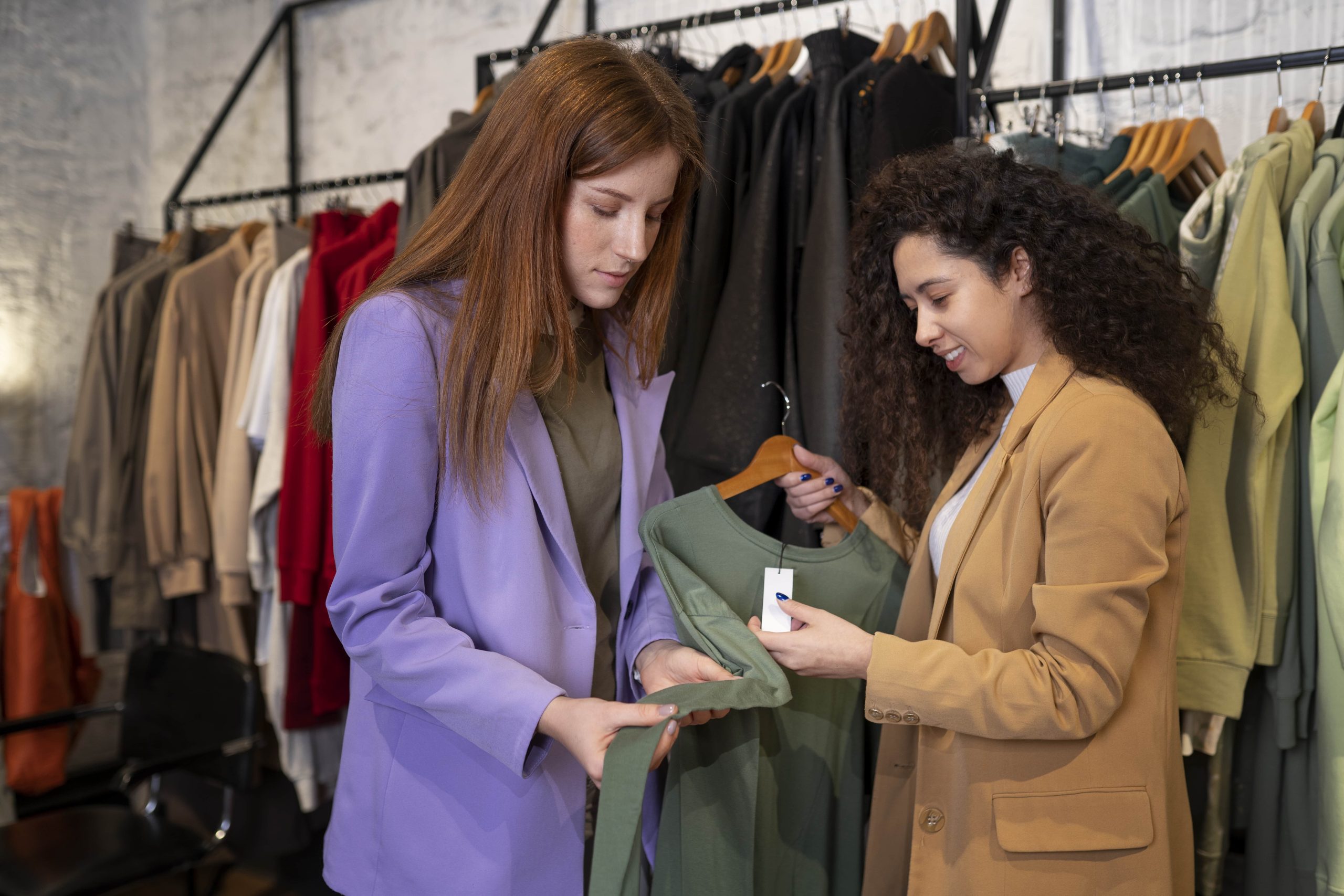
Have you ever walked into your favorite store and wondered how all those perfectly matched clothes, shoes, and accessories got there? It’s not by chance. This curated experience is the work of fashion buyers and merchandisers, two of the most vital roles in the retail industry. For anyone dreaming of a career that combines a love for fashion with sharp business skills, understanding these roles is the first step.
This guide will explain the world of fashion buying and merchandising. We’ll cover what each role involves, the skills you need to succeed, and how they work together to bring the latest trends from the runway to the retail floor. By the end, you’ll have a clear picture of what it takes to build a career in this dynamic field and how you can start your journey.
What is Fashion Buying?
Fashion buying is the process of selecting and purchasing clothing, accessories, and other products for retail stores or online platforms. Buyers are the trend-spotters and decision-makers who decide what a store will sell each season. Their goal is to choose items that will appeal to their target audience and sell well, ultimately driving profit for the company.
A fashion buyer’s job is a blend of art and science. It requires a keen eye for style and an ability to predict what will be popular next. But it also demands strong analytical skills to understand sales data, consumer behavior, and market trends. Buyers don’t just pick things they like; they make strategic decisions based on what they know their customers want to buy.
Imagine a buyer for a large department store. Months before a new season begins, they are already attending fashion shows, meeting with designers, and reviewing product samples. They analyze last year’s sales figures to see what sold well and what didn’t. They also research their competitors to see what they are offering. Based on all this information, they built a collection that feels fresh and exciting while aligning with the store’s brand and budget.
The Responsibilities of a Fashion Buyer
A fashion buyer’s role is multifaceted, requiring them to wear many hats. Here are some of their key responsibilities:
Trend Forecasting: Buyers must stay ahead of the curve by identifying emerging fashion trends. This involves reading trade journals, following fashion bloggers, attending runway shows, and visiting trade fairs. They need to know what colors, fabrics, and silhouettes will be in demand months from now.
- Market Analysis: Understanding the customer is crucial. Buyers analyze sales data to see which products are popular and which are not. They also research their target market to understand their preferences, lifestyles, and spending habits. This data helps them make informed purchasing decisions.
- Vendor Sourcing and Management: Buyers are responsible for finding and building relationships with suppliers, designers, and manufacturers. They negotiate prices, delivery terms, and exclusivity agreements to get the best possible products for their store. A strong network of reliable vendors is a buyer’s most valuable asset.
- Product Selection: This is the core of the job. Buyers select the specific items that will be sold in their stores. They must create a balanced and cohesive collection that meets the needs of their customers and reflects the brand’s identity. This involves choosing styles, colors, sizes, and quantities for each product.
- Budget Management: Buyers are given a budget, known as an “open-to-buy,” which they must use to purchase inventory for the season. They need to allocate this budget carefully to ensure they can offer a wide range of products without overspending.
What is Fashion Merchandising?
While buyers decide what to buy, fashion merchandisers decide how to sell it. Merchandising is the strategic presentation of products to maximize sales. It’s about creating an engaging and appealing shopping experience that encourages customers to make a purchase. This applies to both physical stores and online platforms.
In a brick-and-mortar store, merchandisers are responsible for the store’s layout, window displays, and how products are arranged on the shelves and racks. They think about the customer’s journey through the store and place products strategically to attract attention and drive sales. For example, they might group items to suggest an outfit or place high-margin products at eye level.
Online, merchandisers focus on the digital storefront. They decide which products to feature on the homepage, how to categorize items, and what product images and descriptions to use. Their goal is to make the website easy to navigate and visually appealing, guiding customers from browsing to checkout seamlessly.
The Responsibilities of a Fashion Merchandiser
Fashion merchandisers focus on connecting the product with the customer. Their responsibilities include:
- Visual Merchandising: This is the art of creating visually appealing displays in-store. Merchandisers design window displays, arrange mannequins, and organize products on the sales floor to tell a story and highlight key trends. The goal is to draw customers in and inspire them to buy.
- Inventory Management: Merchandisers track inventory levels to ensure that popular items are always in stock and that slow-moving products are managed effectively. They work with buyers to plan for new arrivals and decide when to mark down items for clearance.
- Sales Analysis: Like buyers, merchandisers analyze sales data. However, their focus is on how products are performing in the store. They look at which items are selling quickly, which are not, and why. This information helps them make decisions about product placement, promotions, and restocking.
- Store Layout and Planning: Merchandisers help design the layout of the store to optimize customer flow and maximize exposure to products. They decide where to place different departments and how to guide customers through the space.
- Collaboration with Marketing: Merchandisers often work with the marketing team to align in-store promotions with broader advertising campaigns. For example, if a company is running a campaign for a new line of dresses, the merchandiser will ensure those dresses are prominently displayed in the store.
The Key Differences: Buyer vs. Merchandiser
While fashion buyers and merchandisers work toward the same goal of selling products, their roles are distinct. Here’s a simple breakdown of the main differences:
- Focus: Buyers are focused on procurement—acquiring the right products. Merchandisers are focused on presentation—selling those products effectively.
- Timeline: Buyers work far in advance, often planning for seasons 6-12 months ahead. Merchandisers work in the present, focusing on current inventory and sales performance.
- Location: Buyers often travel to meet with vendors and attend trade shows. Merchandisers spend more time in stores or working on the company’s e-commerce site.
- Key Question: A buyer asks, “What should we sell?” A merchandiser asks, “How should we sell it?”
Think of it like making a movie. The buyer is the casting director, choosing the perfect actors for each role.
The merchandiser is the director, guiding the actors’ performances and arranging the scenes to create a compelling final film. Both are essential for a successful outcome.
Skills for Success in Fashion Buying and Merchandising
A career in fashion buying or merchandising requires a specific blend of creative and analytical skills. If you are considering this path, here are some of the most important qualities to develop:
For Both Roles:
- Passion for Fashion: A genuine interest in and knowledge of the fashion industry is a must.
- Analytical Skills: Both roles require the ability to interpret sales data and market research to make informed decisions.
- Communication Skills: Buyers and merchandisers must communicate effectively with vendors, team members, and other departments.
- Organizational Skills: Managing budgets, inventory, and deadlines requires excellent organization.
For Fashion Buyers:
- Trend Forecasting: An innate ability to predict what consumers will want next.
- Negotiation Skills: The ability to secure favorable terms and prices with suppliers is critical for profitability.
- Financial Acumen: Buyers must be comfortable working with budgets and calculating profit margins.
For Fashion Merchandisers:
Creativity and Visual Sense: A strong eye for aesthetics is needed to create compelling product displays.
Attention to Detail: Small details in product placement or online layout can have a big impact on sales.
Problem-Solving Skills: When a product isn’t selling, merchandisers need to figure out why and find a solution.
Charting Your Path to a Fashion Career
Starting a career in fashion buying or merchandising often begins with a solid educational foundation. Many professionals in these fields hold degrees in fashion merchandising, business, marketing, or a related area. An academic program can provide you with the theoretical knowledge and practical skills needed to succeed.
Internships are also incredibly valuable. They offer hands-on experience and a chance to build a professional network. Many schools help students find internships with retailers, brands, or design houses. This real-world experience is often what sets a candidate apart when applying for their first job.
Entry-level positions, such as an assistant buyer or merchandising assistant, are the typical starting point. In these roles, you’ll support senior staff with tasks like tracking orders, managing samples, and analyzing sales reports. It’s a great way to learn the ropes and prove your abilities. With hard work and a proven track record, you can advance to more senior roles.
The Future of Fashion Buying and Merchandising
The fashion industry is constantly evolving, and the roles of buyers and merchandisers are changing with it. The rise of e-commerce has created a huge demand for professionals who understand the digital marketplace. Online merchandisers who can optimize a website for sales are in high demand
Sustainability is another major trend shaping the industry. Consumers are increasingly interested in where their clothes come from and how they are made. This means buyers need to source ethically and sustainably, while merchandisers must communicate these values to customers.
Technology, especially artificial intelligence (AI), is also playing a bigger role. AI can help buyers analyze vast amounts of data to predict trends more accurately. For merchandisers, AI can personalize the online shopping experience for each customer. Those who are comfortable with technology will have a significant advantage in the years to come.
Your Next Chapter in Fashion
Fashion buying and merchandising are at the heart of the retail industry. Buyers bring the vision, sourcing products that will capture the imagination of consumers. Merchandisers bring that vision to life, creating an experience that drives sales and builds brand loyalty. Together, they ensure that the fashion world keeps spinning, season after season.
For students with a passion for style and a head for business, these fields offer exciting and rewarding career paths. It’s a chance to shape what people wear and how they shop. If you are ready to take the next step toward a career in fashion, exploring educational programs that can equip you with the right skills and connections is a great place to start. Building a strong foundation today can lead to a transformative career in the vibrant world of fashion.
