
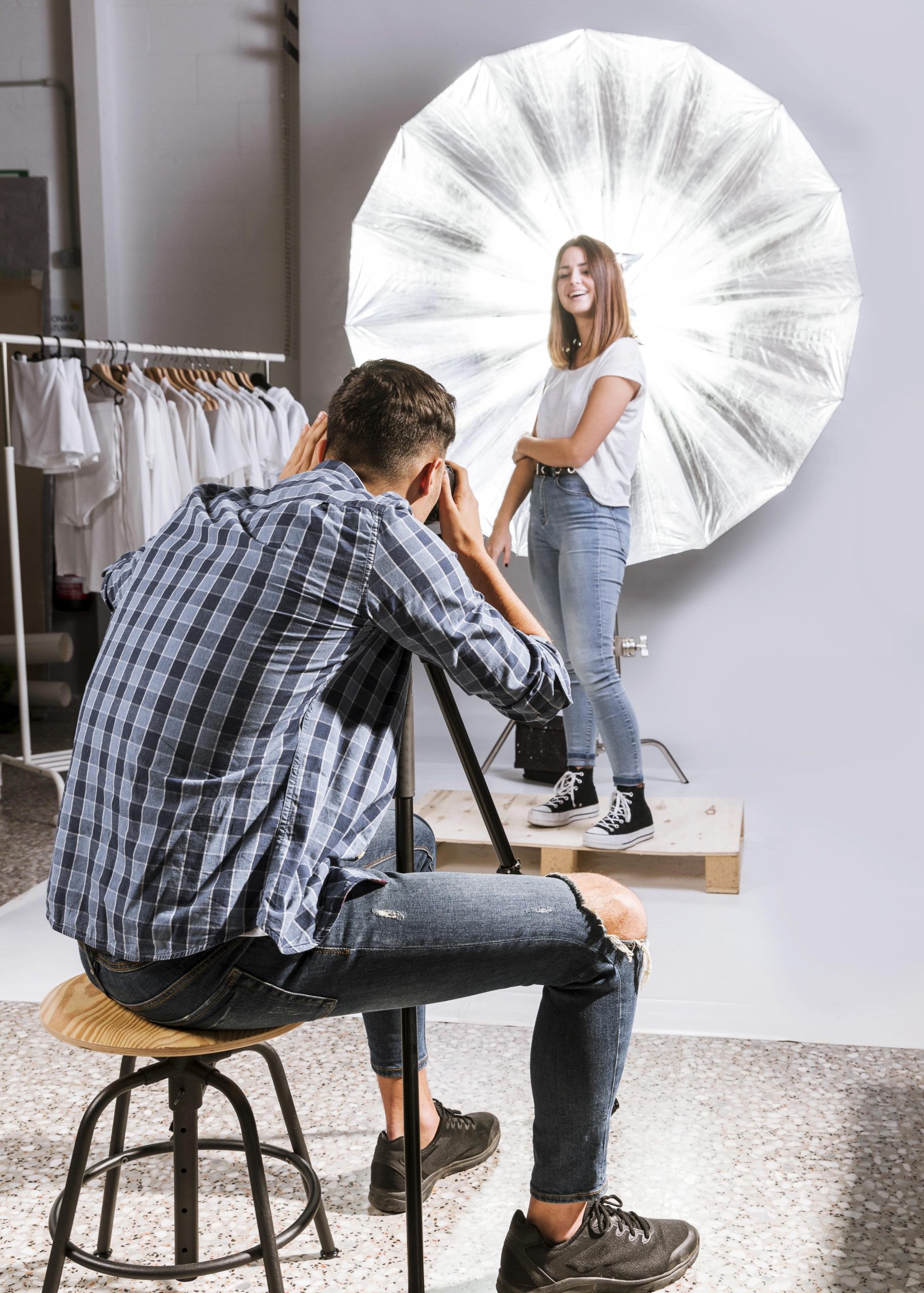
When we look at the glossy pages of a magazine or the curated feed of a top influencer, it is easy to see only the magic. We see the perfect lighting, the stunning outfit, and the effortless expression. For many young people dreaming of a creative career, this world looks like pure glamour. They imagine a life of travel, excitement, and fame.
But the reality of fashion photography is quite different. It is a discipline that requires just as much grit, planning, and teamwork as it does artistic flair. Whether you are a student exploring your career options or a parent trying to understand the creative industry your child is passionate about, it is helpful to look behind the curtain.
Fashion photography is not just about taking pretty pictures. It is about storytelling, problem-solving, and professionalism. To understand what really goes into an editorial shoot, I want to take you through the process—from the initial concept to the final edit—and share a real-life example of what professional excellence looks like on set.
The Reality of a High-Profile Shoot
Recently, I had the opportunity to work on an editorial shoot with Molly-Mae Hague. You might know her as a highly successful influencer with millions of followers. In the world of social media, it is easy to assume that success comes overnight or that “influencing” is not a “real job.”
However, seeing her in action was a masterclass in professional discipline.
Professionalism Sets You Apart
What stood out the most during the shoot was Molly-Mae’s energy. Not only is she a highly successful influencer, but she is also a professional who takes her craft seriously. On a busy set, time is money. There is a large crew waiting—lighting technicians, stylists, makeup artists, and assistants. A delay of even ten minutes can throw off the entire schedule.
Molly-Mae arrived ready to work. There was no ego, just a clear focus on the task at hand. As a photographer, it is always exciting to work with someone who is as engaged and passionate about the project as you are. This is a vital lesson for any young aspiring creative: talent will get you in the room, but your attitude keeps you there.
The Art of Collaboration
Photography is rarely a solo sport. It is a collaborative effort. During our shoot, Molly-Mae was not only a delight to work with but a true collaborator, bringing her personal touch to every frame. She didn’t just stand there waiting to be told what to do. She understood the lighting, the angle of the camera, and the mood we were trying to convey.
She effortlessly posed for each shot, switching between looks and moods with ease. If we needed a shot to feel more somber, she adjusted instantly. If we needed high energy, she turned it on. This adaptability is a skill—one that comes from practice and awareness. For students looking to enter this field, learning to work with others rather than just next to them is the key to success.
Planning: The Work Before the Work
Long before the camera shutter clicks, the real work begins. A successful fashion editorial is 80% preparation and 20% execution. If you are organized, the shoot day flows smoothly. If you wing it, you usually end up with a stressful day and mediocre images.
Building the Concept
Every shoot starts with an idea. We call this the “concept.” It is the story we want to tell.
- The Mood Board: We create a document called a mood board. This is a collection of images, colors, and textures that represent the “vibe” of the shoot. It helps everyone on the team understand the goal.
- The Narrative: Who is the character in the photos? Where are they going? Why are they wearing these clothes? Answering these questions adds depth to the images.
Assembling the Team
You cannot do it all alone. A standard editorial team includes:
- The Photographer: Directs the visual look.
- The Stylist: Chooses the clothing and accessories to match the concept.
- The Hair and Makeup Artist (HMUA): Prepares the talent.
- Assistants: Help with lighting, moving gear, and keeping the set safe.
For parents worried that an art career is isolating, the reality is that it is highly social and team-oriented. You have to learn to communicate your vision clearly and respectfully to people with different skill sets.
Understanding the Gear (Simply Put)
Photography can seem intimidating because of all the technical jargon. People talk about ISO, aperture, shutter speed, and focal lengths. While these are important, you don’t need to be a tech wizard to understand the basics of how an image is made.
Think of the camera as a tool to capture light. That is really all it is.
The Lens Choice
The lens we choose changes how the viewer feels about the subject.
- Wide Lenses: These take in a lot of the background. We use these when we want to show the environment or make the image feel dynamic and edgy.
- Long (Telephoto) Lenses: These zoom in close and blur the background. We use these for portraits when we want to isolate the subject and make them look flattering.
During the Molly-Mae shoot, we used a mix of lenses to get variety—some close-ups to show her makeup and expression, and some wider shots to show her outfit and pose.
Lighting Control
Lighting is what separates a snapshot from a photograph. You don’t always need expensive studio lights.
- Natural Light: The sun is the best light source. On an overcast day, the clouds act like a giant softbox, diffusing the light so it is soft and flattering.
- Artificial Light: In a studio, we use flashes to mimic the sun. We can control exactly where the shadows fall.
If you are starting, don’t worry about buying thousands of dollars of equipment. Start by understanding how light falls on a face. Move your subject near a window. Watch how the shadows change as they turn their head. That is the foundation of photography.
The Day of the Shoot: Managing Energy
On the actual day of the shoot, the photographer’s job shifts from “technician” to “director.” This is where soft skills—like communication and empathy—become more important than technical skills.
Creating a Safe Environment
A model or subject cannot perform well if they feel uncomfortable. It is the photographer’s responsibility to create a safe, respectful space. This means:
- Checking in with the subject to make sure they are warm enough or comfortable in the clothes.
- Giving clear, positive feedback.
- Keeping the energy on set, calm and focused.
Directing the Pose
Most people freeze up in front of a camera. It is unnatural to have a lens pointed at you. A good photographer helps the subject move.
- Mirroring: Often, I will demonstrate the pose I want. It looks silly, but it helps the subject understand what I am looking for.
- Continuous Movement: I encourage the subject to keep moving slowly rather than holding a stiff pose. This creates a sense of flow and naturalism in the final image.
Molly-Mae was exceptional at this. Because she understands her angles and how the camera sees her, she could offer variations on a pose without being asked. This “visual intelligence” is something students can learn by practicing in front of a mirror or filming themselves.
Post-Production: The Final Polish
Once the shoot wraps and everyone goes home, the photographer’s day is far from over. Now begins the post-production phase. This is where we select the best images and refine them.
The Selection Process (Culling)
We might shoot 2,000 images in a day, but the final editorial might only need 8 photos. The process of narrowing them down is called “culling.”
We look for:
- Sharp focus (is the eye crisp?).
- The right expression (does it match the mood?).
- Good clothing shape (does the fabric look good?).
Editing and Retouching
Editing is about enhancing the image, not faking it.
- Color Correction: We adjust the colors to make sure they look natural and consistent across the whole set.
- Retouching: This is the sensitive part. We remove temporary distractions like a stray hair or a blemish, but we try to keep the skin texture real. The goal is to make the subject look like their best self, not a plastic doll.
Why Discipline Matters More Than Talent
If there is one takeaway from my time in this industry—and from working with professionals like Molly-Mae—it is that talent is only a small part of the equation.
Thousands of talented photographers and models never make it because they lack discipline. The creative arts are often viewed as “easy” or “unstructured” compared to careers in science or law. But to sustain a career here, you need:
- Punctuality: Being late is disrespectful to the team.
- Resilience: You will hear “no” more than you hear “yes.” You have to keep going
- Continuous Learning: Trends change. Cameras change. Software changes. You have to stay curious.
For young students interested in this path, these are the skills that will serve them best. A holistic education that teaches them to be organized, respectful, and resilient is just as valuable as learning how to use a camera.
Final Thoughts
Fashion photography is a beautiful blend of technical skill, artistic vision, and human connection. It allows us to tell stories without words. But behind every effortless image is a team of hardworking professionals who planned, prepared, and executed that vision with precision.
The shoot with Molly-Mae was a reminder that at the top level, everyone is rowing in the same direction. Whether you are behind the camera or in front of it, bringing your best energy and a collaborative spirit is the secret to creating something magic
If you or your child is looking to explore the creative arts, remember: start with the basics, respect the process, and never underestimate the power of hard work.
