
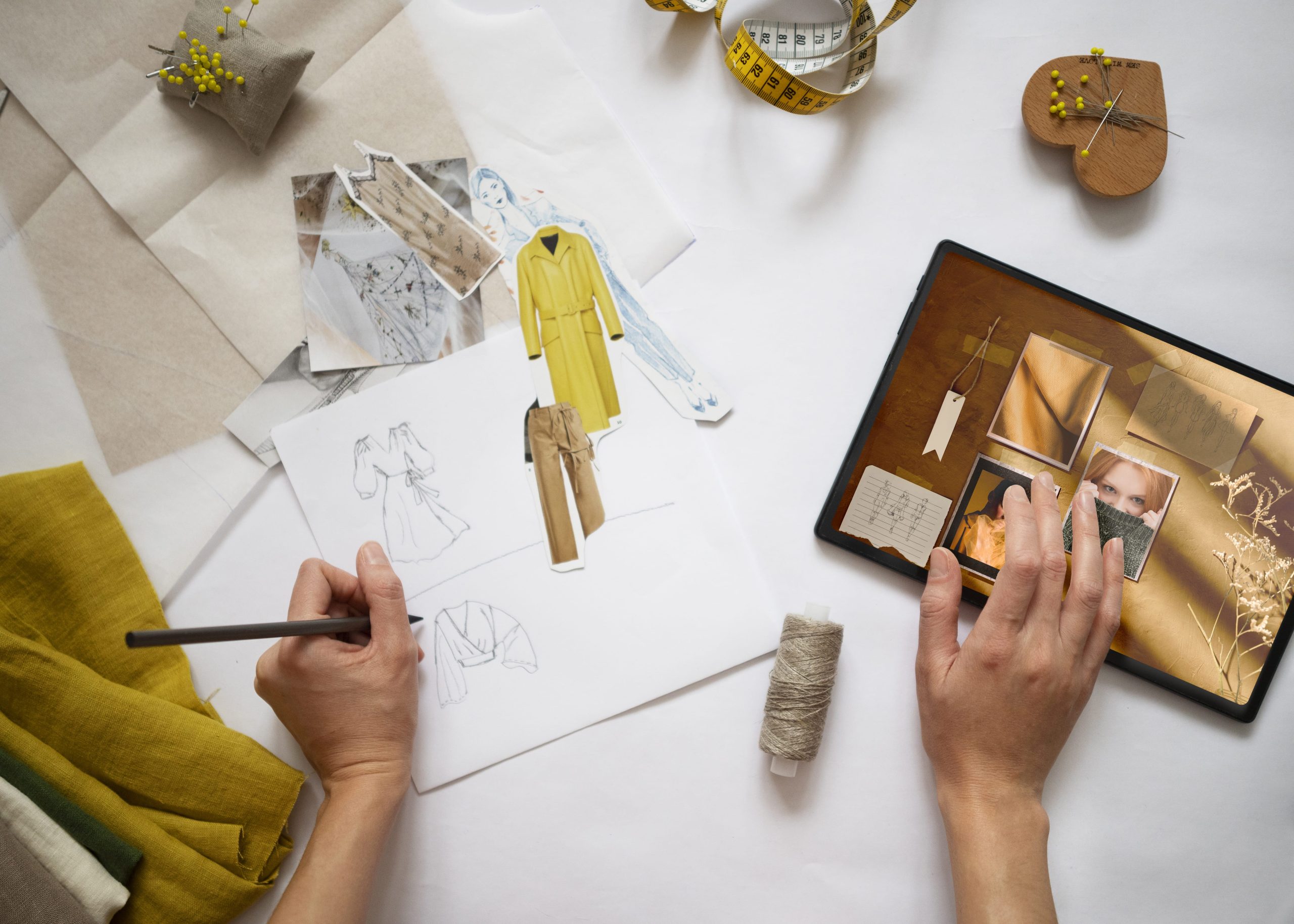
Fashion design has always been an innovative field, with new fabrics, patterns, and silhouettes continuously pushing boundaries. Today, these artistic creations are being amplified by emerging technologies that streamline the design process, promote experimentation, and even encourage sustainability. We are witnessing a seismic shift—one that takes the tactile world of textiles and translates it into the limitless realm of pixels.
For students interested in the intersection of art and technology, digital fashion represents a thrilling new frontier. It is no longer just about sewing machines and dress forms; it is about 3D modeling software, augmented reality, and virtual marketplaces. This evolution offers incredible opportunities for young creatives to develop skills that are future-focused and highly relevant in a changing economy. Just as a boarding school environment fosters independence and resilience, engaging with these new digital tools empowers students to become leaders in tomorrow’s creative industries.
The rise of virtual runways and digital garments is not merely a trend; it is a fundamental reimagining of how we conceive, consume, and interact with clothing. This shift opens doors for students who might not fit the traditional “fashion designer” mold but possess a flair for coding, gaming, or digital art. It merges technical proficiency with creative expression, offering a holistic educational path that prepares them for careers we are only just beginning to imagine.
The Rise of the Virtual Runway
The traditional fashion week—think Paris, Milan, New York—has long been an exclusive event, accessible only to industry insiders, celebrities, and the wealthy elite. These events are high-pressure, high-cost productions that generate massive amounts of waste. Enter the virtual runway: a democratic, sustainable, and boundary-breaking alternative.
Democratizing Access
Virtual runways strip away the velvet ropes. Anyone with an internet connection can tune in to watch digital avatars strut down fantastical catwalks that defy the laws of physics. Models can walk on water, through fire, or in zero-gravity environments. This accessibility aligns perfectly with the values of holistic education, where diverse opportunities are available to all, not just a select few. It teaches students that creativity knows no bounds and that their work can reach a global audience instantly.
Sustainability at the Core
One of the most critical lessons digital fashion teaches is sustainability. The fashion industry is notoriously one of the world’s largest polluters. Physical samples, unsold inventory, and the carbon footprint of flying buyers and editors around the globe take a heavy toll on the planet.
Digital fashion eliminates much of this waste. A digital garment requires no fabric, no water for dyeing, and no shipping. Designers can iterate on a design hundreds of times without scrapping a single piece of cloth. For environmentally conscious students, this offers a way to pursue a passion for style without compromising their values. It demonstrates that innovation and responsibility can go hand in hand—a core tenet of a nurturing and future-focused education.
What Exactly is Digital Fashion?
To the uninitiated, the concept might sound like “The Emperor’s New Clothes.” Why would anyone buy clothes that don’t exist physically? But digital fashion serves multiple purposes in our increasingly online lives.
Gaming and Skins
The most recognizable form of digital fashion is “skins” in video games. Players spend billions of dollars annually to outfit their avatars in games like Fortnite or Roblox. This isn’t just a trivial hobby; it’s a massive market where young designers are already making their mark. Understanding this economy requires a blend of artistic skill and market awareness, skills that are honed in a comprehensive educational setting.
Social Media and AR Filters
Augmented Reality (AR) filters on platforms like Snapchat and Instagram allow users to “wear” digital accessories or outfits in photos and videos. This “digital dressing” satisfies the desire for newness and self-expression without the environmental cost of fast fashion. It’s a playful yet technical field where coding meets couture.
Crypto-Fashion and NFTs
On the more high-end spectrum, we have Non-Fungible Tokens (NFTs). These are unique digital assets verified using blockchain technology. Luxury brands are selling digital-only sneakers and dresses as collectibles. While complex, this introduces students to concepts of digital ownership, cryptocurrency, and the future of commerce—vital knowledge for the modern world.
The Educational Benefits for Aspiring Designers
For parents and educators, the question often is: “How does this help my child’s future?” Integrating digital fashion into an educational or extracurricular path offers immense benefits for holistic development.
Technical Skill Acquisition
Creating digital fashion requires mastery of complex 3D design software like CLO 3D, Marvelous Designer, and Blender. Learning these tools enhances a student’s technical literacy, problem-solving abilities, and attention to detail. It is a rigorous academic pursuit that feels like play, keeping students engaged and motivated.
Fostering Creativity and Innovation
In the physical world, gravity and material properties limit what you can build. In a digital space, fabric can glow, float, or change color based on sound. This freedom encourages radical experimentation. It teaches students to think outside the box and challenge the status quo—qualities that define successful leaders and innovators.
Collaboration and Teamwork
Digital fashion projects often require teams. One student might be the concept artist, another the 3D modeler, and a third the animator. This mirrors the collaborative environment of a boarding school, where teamwork is essential. Students learn to communicate their ideas, give and receive feedback, and work together toward a shared vision.
Safety and Well-being in the Digital Space
As with any online activity, engagement with digital fashion must be balanced with safety. Just as a boarding school provides a secure environment for physical growth, navigating the digital world requires guidance.
Digital Citizenship
Engaging with online marketplaces and communities teaches students about digital footprint, intellectual property rights, and respectful online communication. These are crucial life skills in the 21st century.
Healthy Boundaries
While the digital world is exciting, it is vital to maintain a balance with the physical world. A holistic approach ensures that while students explore virtual runways, they also engage in physical sports, face-to-face social interactions, and traditional arts. The goal is to use technology as a tool for empowerment, not a replacement for real-life experiences.
Preparing for Careers of the Future
The job market is evolving rapidly. Roles that exist today—like “Metaverse Architect” or “Digital Tailor”—were unheard of a decade ago. By exposing students to these fields early, we prepare them for a future that values adaptability and digital fluency.
Beyond Fashion
The skills learned in digital fashion design are transferable. 3D modeling is used in architecture, automotive design, medical imaging, and film production. A student who starts designing virtual sneakers might end up engineering prosthetics or designing sustainable housing. This aligns with the philosophy of future-focused learning, where the goal is to equip students with a versatile toolkit for success.
Entrepreneurial Opportunities
Digital fashion lowers the barrier to entry for entrepreneurship. A student doesn’t need capital to buy fabric or a factory to produce clothes. They need a computer and their imagination. They can launch a collection, market it on social media, and sell it globally from their dorm room. This fosters a spirit of independence and business acumen that is invaluable.
Bridging the Physical and Digital Divide
The future isn’t purely digital; it’s “phygital”—a blend of both worlds. We are seeing brands sell physical items that come with a digital twin, or digital items that can be redeemed for physical products.
This hybrid model represents the balance we strive for in education: honoring tradition while embracing innovation. It teaches students that they don’t have to choose between the old and the new; they can synthesize them to create something unique. Whether it is a boarding school that values heritage alongside modern curriculum, or a fashion line that merges hand-craftsmanship with 3D printing, the principle remains the same: comprehensive development leads to excellence.
Empowering the Next Generation of Creators
The shift toward digital fashion and virtual runways is more than a technological upgrade; it is a cultural shift that empowers young people. It gives them the tools to express themselves, the platform to be heard, and the skills to build a career in a competitive world.
For parents seeking an educational environment that supports this kind of forward-thinking growth, it is essential to look for institutions that value innovation as much as tradition. We must encourage our children to be not just consumers of technology, but creators of it. Whether they dream of becoming the next great couturier or a tech mogul, the journey begins with the freedom to explore, the discipline to learn, and the support to grow.
Digital fashion is here to stay, and it is beautiful, sustainable, and inclusive. It is a vivid example of how discipline meets opportunity, transforming the way we see the world and ourselves. Let us guide our children to walk this new runway with confidence, creativity, and a vision for a better future.
