
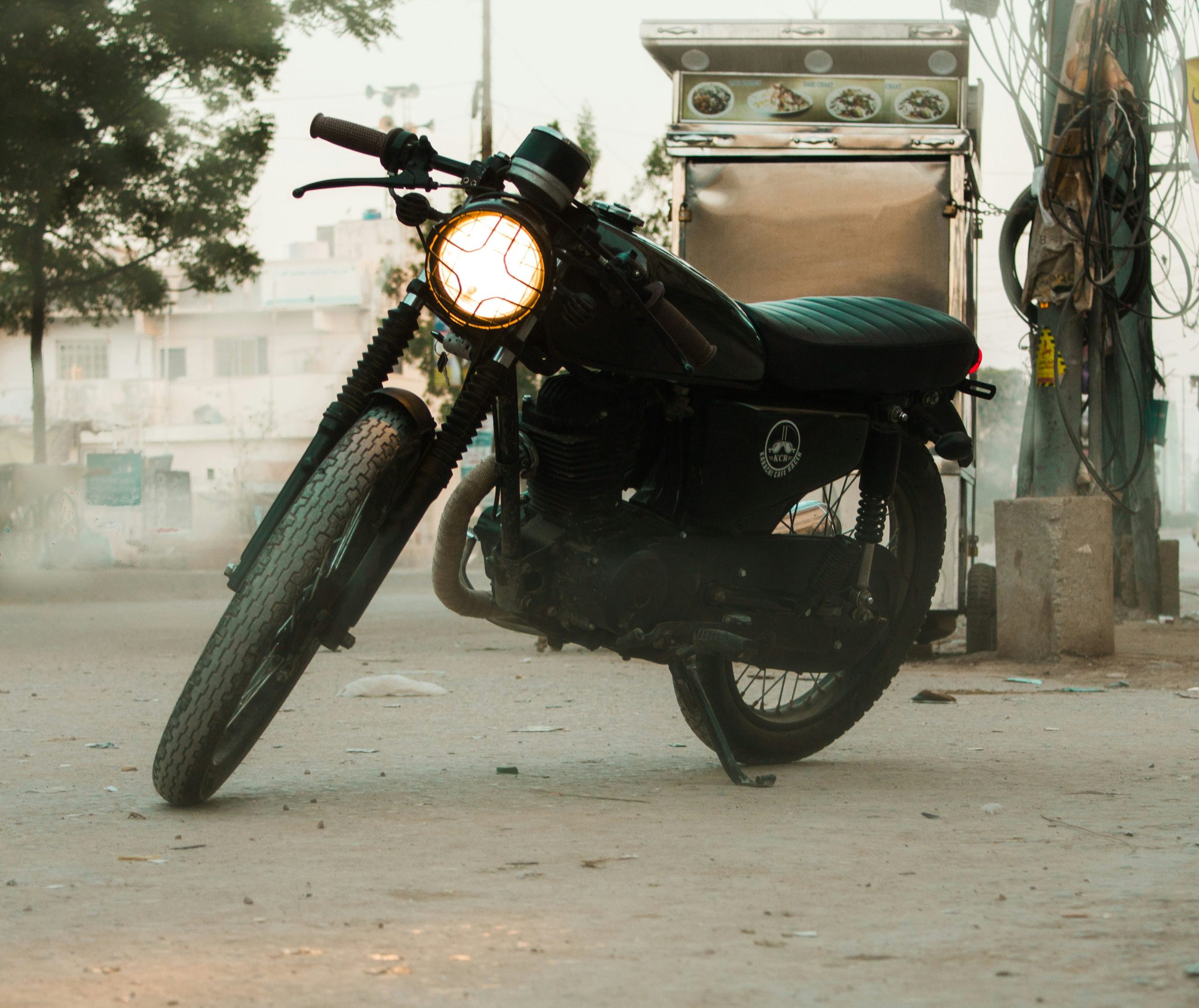
Riding a motorcycle on the bustling roads of Pakistan offers a unique sense of freedom and convenience. However, this freedom comes with significant responsibility. In Pakistan, more than half of all traffic-related fatalities involve vulnerable road users, a group that includes both pedestrians and motorcyclists. While every person on the road has a duty to follow traffic rules, motorcyclists face a heightened level of risk due to their exposure.
Recent policy changes have brought the issue of rider safety into sharper focus. In Punjab, the government has lowered the minimum age for obtaining a motorcycle license to 16. This change is expected to increase the number of younger, less experienced riders on our streets, making the need for comprehensive safety education more urgent than ever. Proper safety gear, especially a well-fitted helmet, is not just a legal requirement but a life-saving necessity.
This guide is designed to equip both new and experienced riders with the essential knowledge needed to navigate Pakistan’s roads safely. By understanding the risks and adopting defensive riding habits, you can protect yourself and contribute to a safer environment for everyone.
Understanding the Risks on the Road
To ride safely, you must first be aware of the unique dangers motorcyclists face. Unlike drivers in cars, riders are not protected by a steel frame, airbags, or seatbelts. This exposure makes even minor incidents potentially severe.
Common Causes of Motorcycle Accidents
Accidents are rarely due to a single factor. More often, they result from a combination of circumstances. Key contributors include:
- Lack of Visibility: Motorcycles are smaller and less conspicuous than cars. Many drivers report not seeing a motorcycle before a collision. This is especially true at intersections, during lane changes, and at night.
- Road Hazards: Potholes, loose gravel, oil slicks, and uneven pavement can be minor annoyances for a car but can easily cause a motorcyclist to lose control.
- Inexperienced Riders: As the minimum licensing age drops, more young riders will be on the road. Inexperience often leads to poor judgment, difficulty handling the bike in emergencies, and a lack of defensive riding skills.
- Distracted Driving: Drivers who are texting, talking on the phone, or otherwise distracted are a major threat. They may fail to notice a motorcycle, leading to catastrophic consequences.
- Speeding: Excessive speed reduces reaction time for both the rider and other drivers. It increases the braking distance required and makes it harder to navigate turns and avoid obstacles.
The Critical Importance of Helmets
The single most effective piece of safety equipment for a motorcyclist is a helmet. Head injuries are the leading cause of death and serious disability in motorcycle accidents. A properly certified and fitted helmet can reduce the risk of death by nearly 40% and the risk of severe injury by over 70%.
In Punjab, the law mandates helmet use for both the rider and the passenger. This is not just about avoiding a fine; it is a crucial measure for self-preservation. A helmet absorbs the force of an impact, protecting the brain from trauma that can have lifelong consequences. Choosing a high-quality helmet that meets safety standards and fits snugly is one of the most important investments a rider can make in their well-being.
Essential Safety Gear: Your First Line of Defence
Your gear is the only thing between you and the pavement in an accident. Investing in high-quality protective equipment is non-negotiable for any serious rider.
Choosing the Right Helmet
Not all helmets are created equal. When selecting one, look for:
- Safety Certification: Ensure the helmet meets recognised safety standards. Look for stickers from organisations like the DOT (Department of Transportation), ECE (Economic Commission for Europe), or SNELL.
- Proper Fit: A helmet should be snug but not uncomfortably tight. It shouldn’t move or shift on your head when you shake it. Try on different brands and sizes to find the perfect fit.
- Full-Face vs. Open-Face: A full-face helmet offers the most protection, covering the chin and jaw. An open-face helmet is less protective but may be preferred by some for its ventilation. For maximum safety, a full-face helmet is always the superior choice.
- Maintenance: Replace your helmet after any significant impact, even if it looks undamaged. The internal protective foam may be compromised. Also, helmets should generally be replaced every five years, as the materials degrade over time.
Beyond the Helmet: Head-to-Toe Protection
While a helmet is paramount, other gear is also vital for protecting your body.
- Jackets and Trousers: Look for riding gear made from abrasion-resistant materials like leather or specialised textiles (e.g., Cordura, Kevlar). Many jackets and pants come with built-in armour at the elbows, shoulders, back, and knees for added impact protection.
- Gloves: In a fall, it’s an instinct to put your hands out. Riding gloves protect your hands from scrapes and impact, and they can improve your grip on the handlebars.
- Footwear: Sturdy, over-the-ankle boots are essential. They protect your feet and ankles from injury, provide good grip on the pavement, and prevent your feet from slipping off the pegs. Avoid riding in sandals, sneakers, or other casual shoes.
- Eye Protection: If your helmet doesn’t have a built-in visor, wear goggles or shatter-proof glasses to protect your eyes from wind, debris, and insects.
Mastering Defensive Riding Techniques
Defensive riding is about anticipating danger and proactively protecting yourself. It means assuming that other road users may not see you or may make mistakes.
The Core Principles of Defensive Riding
- Be Visible: Wear brightly colored or reflective gear to stand out. Use your headlights, even during the day. Position yourself in your lane where you are most likely to be seen by drivers in front of and behind you. Avoid lingering in a driver’s blind spot.
- Maintain a Safe Following Distance: Keep a buffer of at least three to four seconds between you and the vehicle ahead. This gives you time and space to react to sudden stops or road hazards. In adverse weather, increase this distance.
- Scan Your Surroundings: Constantly be aware of what is happening around you. Check your mirrors frequently and scan the road ahead for potential threats. Look for cars pulling out, doors opening, or pedestrians stepping into the street.
- Have an Escape Route: In any traffic situation, always have a plan for what you will do if something goes wrong. Identify an open space in an adjacent lane or on the shoulder that you can move into to avoid a collision.
- Communicate Your Intentions: Use your signals early and clearly. Make eye contact with other drivers at intersections to ensure they have seen you. A simple hand gesture or a tap of your brake light can also help communicate your next move.
Navigating Pakistan’s Unique Road Conditions
Riding in Pakistan presents specific challenges that require heightened awareness and skill.
Dealing with Traffic and Congestion
Major cities are often congested with a chaotic mix of cars, rickshaws, buses, and pedestrians.
- Lane Splitting: While tempting, weaving between lanes of slow or stopped traffic is extremely dangerous.Other drivers do not expect it, and a suddenly opening car door or a slight lane shift can lead to a serious accident.
- Patience is Key: In heavy traffic, it’s better to be patient and move with the flow than to take unnecessary risks. A few minutes saved is not worth a lifetime of injury.
- Be Wary of Larger Vehicles: Buses and trucks have large blind spots. Give them plenty of space and never assume their drivers can see you.
Handling Poor Road Conditions
Road quality can be inconsistent, with potholes, unmarked speed bumps, and debris being common.
Look Ahead: Scan the road surface well in front of you to spot hazards early.
- Slow Down: Reduce your speed on unfamiliar or poorly maintained roads.
- Use Your Brakes Wisely: Learn to use both front and rear brakes effectively. On loose surfaces like gravel, rely more on the rear brake to avoid a front-wheel skid.
Final Preparations for a Safe Ride
Your journey to becoming a safer rider starts before you even turn the key. Regular maintenance and a pre-ride check are fundamental habits that ensure your motorcycle is in optimal condition.
A quick inspection takes only a few minutes but can prevent a mechanical failure on the road. Check your tyre pressure, ensure your brakes and clutch are responsive, test your lights and horn, and check your chain and fluid levels.
This simple routine provides peace of mind and is a hallmark of a responsible motorcyclist.
By embracing a mindset of constant learning and vigilance, you can enjoy the thrill of riding while minimising the risks. Invest in your safety, master defensive techniques, and always ride with awareness. Your life, and the well-being of those who care about you, depend on it.
