
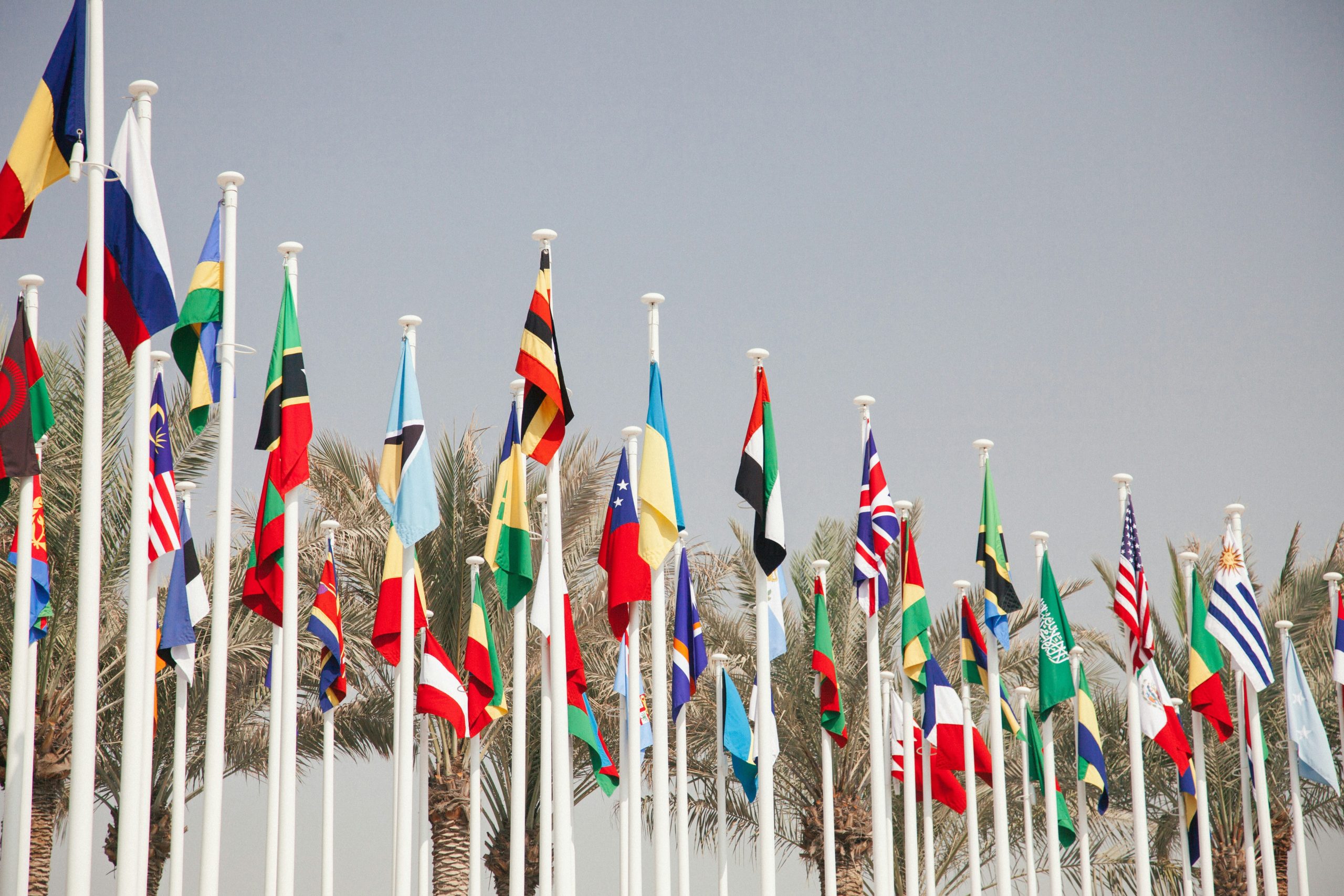
In a classroom debate, just like in the real world, progress happens when different voices come together to solve a common problem. History has taught us that isolation rarely leads to sustainable peace or prosperity. Instead, the greatest strides in human rights, health, and security have occurred when nations agree to sit at the same table.
International organizations are the global equivalent of a well-structured boarding school environment: they provide the rules, the meeting places, and the shared goals necessary for diverse groups to coexist and thrive.
For students aspiring to become future diplomats, global leaders, or informed citizens, understanding these bodies is essential. These organizations do not just hold meetings; they save lives, prevent wars, and build the frameworks for economic stability.
This guide explores the major players on the world stage—the United Nations (UN), the World Health Organization (WHO), the North Atlantic Treaty Organization (NATO), and the African Union (AU). We will look at how they function, why they matter, and how they influence the world our children will inherit.
The United Nations (UN): The Global Town Hall
When people think of international cooperation, the United Nations is usually the first name that comes to mind. Founded in 1945 after the devastation of World War II, the UN was created with a primary mission: to save succeeding generations from the scourge of war.
Purpose and Structure
Headquartered in New York City, the UN is the only organization with universal membership, currently boasting 193 Member States. It is not a world government, but rather a place where the world’s nations can gather, discuss common problems, and find shared solutions.
The UN operates through six main organs:
- The General Assembly: The main deliberative body where all member states have an equal vote. It is here that key international issues—from development to peace and security—are discussed.
- The Security Council: Responsible for maintaining international peace and security. It has 15 members (5 permanent, 10 rotating) and has the power to authorize military action or impose sanctions.
- The Economic and Social Council (ECOSOC): Coordinates the economic and social work of the UN.
- The Trusteeship Council: (Currently inactive) Established to supervise the administration of Trust Territories.
- The International Court of Justice: The principal judicial organ, settling legal disputes between states.
- The Secretariat: The executive arm, led by the Secretary-General, which carries out the day-to-day work of the UN.
Impact on Global Development
For students interested in humanitarian efforts, the UN is the ultimate case study in holistic growth. Beyond keeping the peace, the UN is responsible for the Sustainable Development Goals (SDGs). These 17 goals aim to end poverty, protect the planet, and ensure prosperity for all by 2030. From providing food to 90 million people in 83 countries via the World Food Programme to protecting refugees through the UNHCR, the UN’s reach is vast.
The World Health Organization (WHO): Guardians of Global Health
If the last few years have taught us anything, it is that viruses do not respect borders. Health is a global issue that requires a global response. The World Health Organization, a specialized agency of the UN responsible for international public health, is at the forefront of this battle.
Mandate and Mission
Founded in 1948 and headquartered in Geneva, Switzerland, the WHO’s constitution states that its objective is “the attainment by all peoples of the highest possible level of health.” It connects nations, partners, and people to promote health, keep the world safe, and serve the vulnerable.
Key Functions
The WHO does not just react to pandemics; it works tirelessly to prevent them. Its core functions include:
- Monitoring Health Trends: The WHO gathers data from around the world to identify emerging health threats before they become global crises.
- Setting Standards: From defining what constitutes a healthy diet to establishing protocols for treating diseases like malaria and tuberculosis, the WHO sets the norms that countries follow.
- Shaping Research Policies: It directs the global research agenda, ensuring that scientists are working on the most pressing medical issues.
The Eradication of Smallpox
One of the greatest success stories in human history is the eradication of smallpox, a feat coordinated by the WHO. Through a massive global vaccination campaign and surveillance program, the disease was officially declared eradicated in 1980.
This achievement serves as a powerful reminder to students that when the world cooperates under strong leadership, even the most terrifying challenges can be overcome.
North Atlantic Treaty Organization (NATO): The Shield of Alliance
While the UN focuses on broad international cooperation and the WHO on health, NATO is strictly a political and military alliance. Its origins lie in the Cold War, but its relevance has evolved significantly in the 21st century.
Collective Defense
Founded in 1949, NATO currently consists of 32 member countries from North America and Europe. The heart of the alliance is Article 5 of the North Atlantic Treaty, which states that an armed attack against one member is considered an attack against them all. This principle of collective defense is designed to deter aggression and ensure the safety of its members.
Evolution of Mission
Created to counter the Soviet Union, NATO has adapted to modern threats. Today, the alliance deals with issues such as:
- Cybersecurity: Protecting member nations from digital attacks on critical infrastructure.
- Counter-terrorism: engaging in operations to prevent terrorist activities that threaten global stability.
- Crisis Management: NATO has led operations in places like Kosovo and Afghanistan, focusing on peacekeeping and stabilization.
For students analyzing history or political science, NATO provides a complex look at how military power and diplomatic strategy intertwine to maintain regional stability.
The African Union (AU): Unity for a Continent
While global organizations are vital, regional organizations play a crucial role in addressing the specific needs of their neighbors. The African Union serves as the primary organization for cooperation among African nations.
Origins and Structure
Founded in 2002 as a successor to the Organization of African Unity (OAU), the AU is headquartered in Addis Ababa, Ethiopia. It is a continental union consisting of 55 member states. Much like the European Union, it seeks to integrate the continent politically and economically.
The AU operates through several key bodies:
- The Assembly of the African Union: The supreme policy and decision-making organ.
- The Pan-African Parliament: Intended to provide a platform for people from all African states to be involved in discussions and decision-making.
- The African Union Commission: The secretariat that runs the daily affairs of the Union.
- The African Court on Human and Peoples’ Rights: A judicial body established to ensure the protection of human rights across the continent.
Goals and Vision
The AU’s primary goal is to promote unity and solidarity between African states to spur economic growth and international cooperation. Its vision is encapsulated in “Agenda 2063,” a strategic framework for the socio-economic transformation of the continent over 50 years.
Key objectives include:
- Defending Sovereignty: Protecting the territorial integrity and independence of its Member States.
- Accelerating Integration: Promoting political and socio-economic integration to create a stronger, unified trading bloc.
- Promoting Peace: The AU plays a significant role in conflict resolution and peacekeeping missions across the continent, often deploying troops to stabilize volatile regions.
Challenges and Opportunities
While the AU has ambitious goals, it faces significant hurdles. Decisions made by bodies like the Pan-African Parliament or the AU Commission are theoretically binding, but in practice, enforcement is difficult. Member states often prioritize national interests over continental agreements or lack the resources to implement AU directives.
However, the AU remains a vital platform. It has been instrumental in mediating post-election conflicts and advocating for Africa’s interests on the global stage. For students looking at the future of global economics, the AU’s push for the African Continental Free Trade Area (AfCFTA) represents one of the most significant economic developments of our time, potentially creating the largest free trade area in the world.
The Role of Education in Understanding Global Governance
Why does a student in a boarding school need to know about the African Union or the WHO? Because the world is shrinking. The challenges of tomorrow—climate change, pandemics, economic instability—are transnational.
Developing Critical Thinking
Studying these organizations encourages students to think critically about complex systems. It helps them understand that there are rarely simple answers to global problems. Just as a student must learn to navigate the social dynamics of a dormitory or a sports team, nations must navigate the complex web of international relations.
Fostering Future Leaders
Many of the skills taught in a structured educational environment—negotiation, public speaking, empathy, and leadership—are the exact skills required to function in these international bodies. By exposing young minds to the concepts of the UN or NATO, we nurture the potential for them to become the diplomats and changemakers of the future.
Building Global Citizens
We want our children to be safe, successful, and happy. Part of that success involves understanding the world they live in. An awareness of international organizations fosters a sense of global citizenship. It teaches students that they are part of a larger community and that their actions can have a ripple effect.
Navigating a Complex World
The landscape of international relations is always shifting. New alliances form, old ones fracture, and the mandates of organizations like the UN and NATO evolve to meet new realities.
For parents and educators, the goal is to provide children with the tools to understand this complexity. A holistic learning environment that balances academic rigor with an awareness of global affairs empowers students to engage with the world confidently.
Whether it is through Model UN simulations, history lessons, or simply discussing current events at the dinner table, engaging with these topics prepares the next generation for the responsibilities of leadership.
The African Union, the United Nations, and their counterparts are more than just acronyms; they are the machinery of our modern world. Understanding how they work is the first step toward understanding how to make them work better.
