
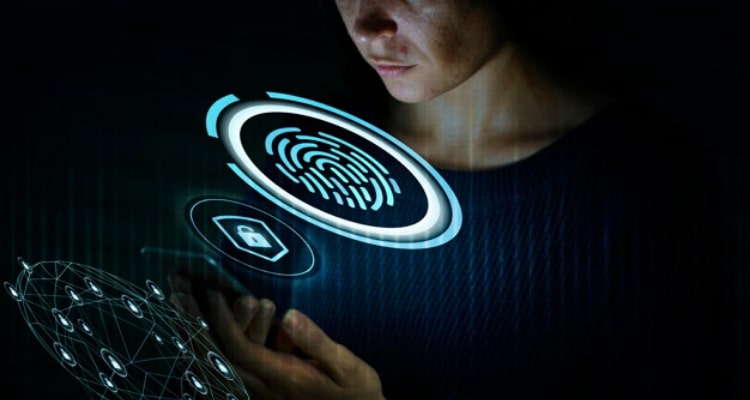
Biometric authentication, once a staple of science fiction, has now become a part of our daily lives. From unlocking our smartphones with a glance to approving payments with a fingerprint, these technologies offer a level of convenience and security that was once unimaginable. They promise a future where forgotten passwords are a thing of the past and our unique biological traits are the only keys we need.
However, as we embrace this new era of authentication, we must also confront the significant privacy challenges it presents. Biometric data is the most personal information we have—it is intrinsically tied to our physical identity.
The convenience of a fingerprint scan or facial recognition comes with critical questions about how this sensitive data is collected, stored, and protected from misuse. Is it kept on our personal devices, or is it uploaded to a central server where it could be vulnerable to breaches?
This growing reliance on biometrics is reshaping our understanding of digital security.
It forces us to consider the trade-offs between convenience and privacy. While these technologies offer powerful tools to protect our digital lives, they also introduce new risks that demand careful consideration. Understanding how biometric authentication works, its benefits, and its potential pitfalls is essential for anyone navigating the modern digital landscape. This post will explore the world of biometrics, examining the technology, its applications, and the crucial privacy implications that come with it.
What is Biometric Authentication?
Biometric authentication is a security process that relies on the unique biological characteristics of an individual to verify their identity. Unlike traditional methods that use something you know (like a password) or something you have (like a key card), biometrics use something you are. This makes it a highly personal and secure form of identification.
The process is straightforward but technologically advanced. First, a system captures a sample of a biological feature—such as a fingerprint, face, or iris—and converts it into a digital template. This template is then stored securely. When you later attempt to access a device or service, the system captures a new sample and compares it to the stored template. If they match, your identity is verified, and you are granted access. This method provides a fast, user-friendly, and robust way to secure your information.
Types of Biometric Authentication
There are many forms of biometric identification, each using different biological traits. Some of the most common methods include:
Fingerprint Scanning: This is one of the oldest and most widely used forms of biometric authentication. Every person has a unique pattern of ridges and valleys on their fingertips. Scanners capture this pattern and use it to verify identity. Modern smartphones, laptops, and even door locks commonly use fingerprint sensors for quick and secure access.
Facial Recognition: Facial recognition technology identifies individuals by analysing their unique facial features. It maps the geometry of the face, including the distance between the eyes, the shape of the nose, and the contour of the jawline. This technology is popular in smartphones (like Apple’s Face ID) and is also used in security systems for surveillance and access control.
Iris and Retina Scanning: The iris, the colored part of the eye, has a complex and unique pattern that remains stable throughout a person’s life. Iris scanners use a camera to capture a high-resolution image of this pattern. Retina scanning is similar but involves mapping the pattern of blood vessels at the back of the eye. Both methods are extremely accurate but are typically used in high-security environments due to the specialised equipment required.
Voice Recognition: This method identifies a person based on their unique vocal characteristics, such as pitch, tone, and speech patterns. It is often used in banking for telephone-based customer verification and is a key feature of virtual assistants like Siri and Alexa.
Behavioural Biometrics: This category includes methods that analyse patterns in a person’s behaviour. Examples include keystroke dynamics (the rhythm and speed of typing), gait analysis (the way a person walks), and even how someone holds and interacts with their smartphone. These methods are often used as an additional layer of security, running in the background to verify a user’s identity continuously.
Where Convenience Meets Security
The primary appeal of biometrics is its seamless blend of convenience and security. In a world cluttered with passwords for countless accounts, the ability to unlock a device or approve a transaction with a simple touch or glance is a significant improvement. This ease of use enhances the daily digital experience for everyone, from busy professionals to students.
The Role of On-Device Encryption
When you set up fingerprint or facial recognition on your smartphone, your biometric data doesn’t just sit on the device as a raw image. Instead, it is converted into a mathematical representation—a digital template—and then encrypted. This encrypted template is stored in a special, highly protected part of your device’s hardware, often called a Secure Enclave (on Apple devices) or a Trusted Execution Environment (on Android devices).
This secure area is isolated from the main operating system. Even if the rest of your phone’s software is compromised by malware, the attacker cannot access the raw biometric data stored within this enclave. When you try to authenticate, the new scan is compared to the template directly within this secure zone. The enclave sends a “yes” or “no” signal to the operating system, confirming whether the authentication was successful. Your actual biometric data never leaves this protected environment. This process ensures that your most personal information remains private and secure, even while providing effortless access.
Secure Folders: A Private Vault on Your Device
Building on this foundation of biometric security, many modern devices offer features like “Secure Folders.” A Secure Folder is an encrypted, private space on your device where you can store apps, files, photos, and other data that you want to keep separate and protected. Access to this folder is guarded by an additional layer of authentication, which can be a password, PIN, or, most conveniently, your biometric data.
This creates a vault within your device. For instance, a parent can store work-related documents or personal banking apps in a Secure Folder, ensuring their child cannot accidentally access them while playing games on the phone. It provides a structured way to separate personal and professional life on a single device, all while leveraging the convenience of biometric security. For students, it’s a safe place to store academic records or personal projects, ensuring they are protected even if the device is shared. This feature offers peace of mind by adding a robust layer of protection for your most sensitive information.
The Privacy Dilemma
While biometric authentication offers significant security advantages, it also introduces complex privacy concerns. Your biometric data is permanent and uniquely yours. If a password is stolen, you can change it. If your biometric data is compromised, you cannot simply get a new fingerprint or face. This permanence makes the security of biometric data paramount.
The central question is: where is this data stored? When it’s stored locally on your device within a Secure Enclave, the risks are relatively low. However, some services and systems store biometric data on centralised servers. This creates a high-value target for hackers.
A breach of a central database could expose the biometric information of millions of users, with irreversible consequences. Unlike a credit card number that can be cancelled and replaced, compromised biometric data is a permanent threat to an individual’s identity.
Furthermore, the collection and use of biometric data by governments and corporations raises questions about surveillance and control. Facial recognition technology, for example, can be used to track individuals in public spaces without their consent, leading to a potential loss of anonymity and freedom.
As these technologies become more integrated into our society, it is crucial to establish strong regulations and ethical guidelines to protect individual privacy and prevent misuse. Striking the right balance between security and liberty is one of the most significant challenges of the biometric age.
The Future of Biometric Security
The field of biometrics is constantly evolving, with new and innovative technologies emerging that promise even greater security and convenience. Researchers are exploring more advanced forms of biometric identification that are harder to spoof and offer a more holistic approach to authentication.
One promising area is behavioural biometrics.
Imagine your device continuously monitoring how you type, swipe, and even walk. By analysing these unique behavioural patterns, the system can ensure it’s really you using the device, providing a constant, passive layer of security.
This could eliminate the need for periodic authentication checks and create a truly seamless user experience.
Another exciting development is the use of multiple biometric factors for authentication, known as multifactor biometrics.
For example, a system might require both a facial scan and a voice command to grant access to highly sensitive information.
This layered approach makes it exponentially more difficult for an unauthorised person to gain access, providing a level of security suitable for banking, healthcare, and government applications.
As these technologies mature, they will become more integrated into our daily lives, from smart homes that recognise their owners to cars that adjust settings based on the driver.
The future of biometric security is one where our interactions with technology are more natural, intuitive, and, most importantly, secure.However, this future also depends on our collective ability to address the ethical and privacy challenges that come with it, ensuring that this powerful technology serves to empower and protect individuals
Building a Future-Ready Foundation
Biometric authentication offers a powerful glimpse into a future where our digital lives are both more secure and more convenient. The ability to use our unique biological traits to protect our most sensitive information is a significant leap forward from the fallible world of passwords. Technologies like on-device encryption and Secure Folders provide robust frameworks for safeguarding this data, giving users control over their personal information.
However, the journey into this biometric future requires careful navigation. The privacy implications are profound, and the potential for misuse demands a thoughtful and proactive approach. As parents, educators, and citizens, it is our responsibility to understand these technologies and advocate for strong regulations that protect individual rights. By fostering an environment of informed consent and transparent data practices, we can harness the benefits of biometrics while mitigating the risks.
The goal is to create a future where security is not a burden but a seamless and empowering part of our daily lives. By balancing innovation with responsibility, we can ensure that this powerful technology is used to build a safer and more trustworthy digital world for generations to come.
