
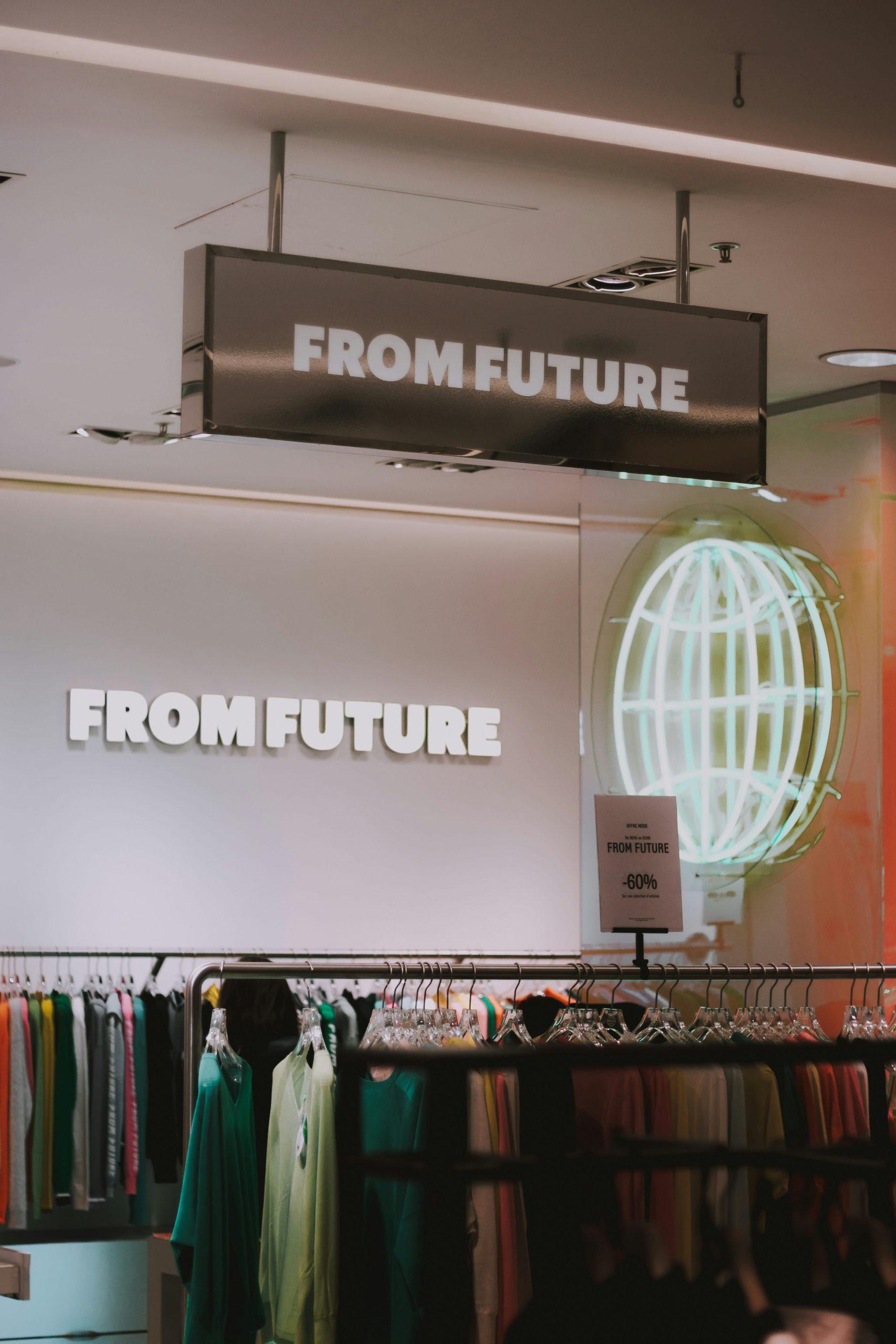
The fashion industry has always been a mirror to society, reflecting our values, aspirations, and the technological leaps of our time. But as we move further into 2025, the reflection is changing. We are witnessing a seismic shift—a new era defined not just by what we wear, but by how it is made, who makes it, and the digital ecosystems it inhabits.
For designers, marketers, and retail buyers, the challenge is no longer just about predicting the next “it” color or silhouette. It is about navigating a complex landscape where sustainability is a mandate, technology is a collaborator, and consumer values are the ultimate currency.
To stay competitive in this dynamic environment requires more than creativity; it demands a nuanced understanding of emerging trends backed by data and actionable strategies.
This article explores the key pillars reshaping the fashion industry in 2025, offering insights into how brands can pivot to meet the demands of a future-ready market.
The Sustainability Imperative: Beyond Greenwashing
Sustainability has transitioned from a buzzword to a non-negotiable operational standard. In 2025, consumers—particularly Gen Z and Alpha—are demanding radical transparency. They are no longer satisfied with vague “eco-friendly” labels; they want to trace the supply chain from fiber to finish.
Circular Economy Taking Center Stage
The linear “take-make-waste” model is being aggressively dismantled in favor of circularity. Brands are increasingly investing in resale platforms, repair services, and upcycling initiatives. We are seeing major luxury houses integrating buy-back schemes directly into their business models, blurring the lines between new and pre-loved markets.
This shift is driven by legislative pressure as much as consumer demand. New regulations in the EU and North America are mandating digital product passports, which store data on a garment’s origin, materials, and recyclability. For brands, this means that data management is now as crucial as design.
Material Innovation
The quest for sustainable materials has moved beyond organic cotton. Bio-fabricated materials—leathers grown from mycelium, silks spun from yeast fermentation—are scaling up from lab experiments to runway collections. These innovations offer a dual benefit: they drastically reduce the carbon footprint and water usage associated with traditional textiles while offering new textures and properties for designers to explore.
The Digital Metamorphosis: AI and the Metaverse
Technology in 2025 is not just a tool for efficiency; it is a creative partner. Artificial Intelligence (AI) and the Metaverse are rewriting the rules of engagement, design, and retail.
AI in Design and Forecasting
Generative AI is revolutionizing the design process. Designers are using AI to visualize concepts instantly, iterate on patterns, and predict fabric waste before a single thread is cut. On the business side, predictive analytics are becoming eerily accurate.
Instead of relying on historical sales data, brands are using AI to analyze real-time social media sentiment, search trends, and even weather patterns to forecast demand. This “on-demand” manufacturing model significantly reduces overproduction—one of the industry’s biggest sustainability hurdles.
Virtual Fashion and Digital Twins
The Metaverse has matured from a gaming niche to a legitimate fashion frontier. “Digital twins”—virtual counterparts to physical garments—are becoming standard. Consumers can now try on clothes virtually using augmented reality (AR) mirrors in-store or filters on social media before making a purchase.
Furthermore, digital-only fashion is thriving, allowing consumers to express their identity in virtual spaces without the physical waste.
The New Consumer: Values-Driven and Hyper-Localized
The consumer of 2025 is discerning, informed, and deeply values-driven. The era of mass homogenization is fading, replaced by a desire for hyper-personalization and local relevance.
The Rise of “Glocal” Fashion
While fashion remains a global industry, the consumer mindset is shifting towards the local. There is a growing appreciation for craftsmanship, heritage, and community support. “Glocal” strategies—where global brands tailor their offerings to local tastes and collaborate with regional artisans—are proving successful. This approach fosters a sense of connection and authenticity that mass-produced collections often lack.
Inclusivity as a Standard
Inclusivity is no longer a marketing checkbox; it is a design principle. Adaptive fashion—clothing designed for people with disabilities—is gaining mainstream traction. Brands are realizing that stylish, functional clothing should be accessible to everyone, regardless of physical ability, size, or gender expression. This shift is expanding the market and fostering a more empathetic industry culture.
Strategic Imperatives for 2025
Navigating this new landscape requires a strategic overhaul. Here are actionable steps for industry stakeholders:
- Invest in Data Literacy: Creativity must be married with data. Brands need to invest in tools and talent that can interpret complex data sets to drive decision-making.
- Embrace Radical Transparency: Open your supply chain. Use technology like blockchain to verify claims and build trust with your audience.
- Prioritize Agility: The speed of change is accelerating. Supply chains and production cycles need to be flexible enough to pivot in response to real-time trends and disruptions.
- Cultivate Community: Move beyond transactional relationships. Build communities around your brand values, engaging customers as co-creators rather than just consumers.
Redefining the Runway
As we look ahead, the fashion industry in 2025 represents a convergence of ethics, aesthetics, and innovation. It is an industry grappling with its past excesses while boldly designing a more responsible future. The trends shaping this year—from the circular economy to AI-driven design—are not fleeting fads; they are the foundational blocks of a new fashion paradigm.
For those willing to adapt, the opportunities are limitless. By harmonizing technology with human values, the industry can create not just beautiful clothes, but a more beautiful world.
