
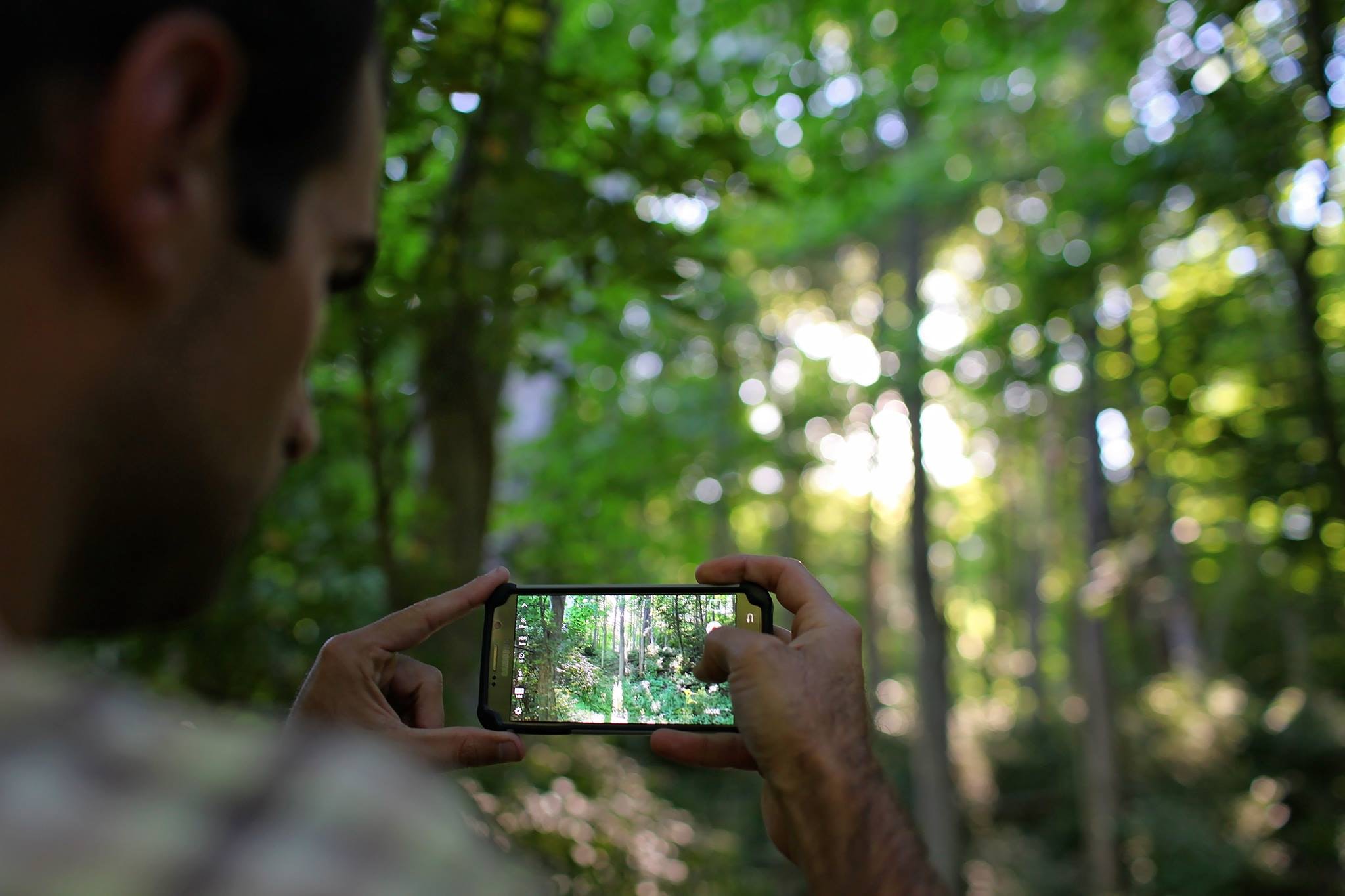
Every child is a dreamer. Some dream of capturing the world as they see it—full of colour, emotion, and stories waiting to be told. Yet, as parents, we often look at the smartphones in their hands with a mix of resignation and worry.
We see potential distractions, endless scrolling, and a disconnect from the real world. But what if we shifted our perspective? What if that device in their pocket wasn’t just a distraction, but a powerful tool for holistic growth?
Mobile photography has transformed the pockets of billions into treasure troves of memories, emotions, and stories. For the young student aged 11 to 18, this technology offers an unprecedented opportunity.
It allows them to showcase their skills without the barrier of expensive equipment. It turns a passive activity—consuming content—into an active, creative pursuit—creating art.
In an educational landscape where we strive to nurture potential and empower growth, mobile photography stands out as a unique bridge between technology and art. It teaches discipline, observation, and storytelling.
It aligns perfectly with the values of a future-ready education, where digital literacy meets creativity. This guide explores how your child can master this skill, turning everyday moments into a portfolio of growth.
The Evolution: From Snapshots to Storytelling
Photography was once an exclusive club. It required bulky cameras, expensive film, and a darkroom full of chemicals. Today, the barrier to entry has shattered. The smartphone camera rivals many entry-level DSLRs, democratizing art in a way we’ve never seen before.
For a student navigating the complex years of adolescence, this accessibility is vital. It means that the moment inspiration strikes—whether during a quiet study session, a sports match, or a walk through campus—they have the means to capture it.
This immediacy encourages a constant state of observation. Students learn to look at their surroundings not just as a backdrop, but as a canvas.
This shift isn’t just about technology; it’s about voice. Mobile photography gives students a voice to document their perspective, their friendships, and their growth.
In a boarding school environment, where independence and self-discovery are paramount, photography becomes a visual diary of their journey toward adulthood.
Why Photography Matters for Holistic Development
You might be asking, “Is taking pictures really educational?” The answer lies in looking beyond the image. Photography is not merely about pressing a button; it is an exercise in mindfulness and critical thinking.
Cultivating Patience and Focus
In a world of instant gratification, photography teaches the art of waiting. Waiting for the perfect light, waiting for the subject to move into the frame, waiting for the wind to settle.
This cultivates patience—a discipline that translates directly to academic pursuits. A child who can focus on framing a flower for five minutes is practising the same neural pathways required to focus on a math problem.
Enhancing Visual Literacy
We live in a visually dominant society. Being able to deconstruct an image—to understand why it works, what emotions it evokes, and how it influences the viewer—is a key component of modern literacy. By creating images, students learn to become critical consumers of media rather than passive sponges.
Emotional Expression
Adolescence can be a turbulent time. Art provides a safe, constructive outlet for emotions that might be difficult to articulate in words.
A moody, black-and-white landscape or a vibrant, chaotic action shot allows a student to externalize their internal state. It supports emotional well-being, a cornerstone of any nurturing educational environment.
Mastering the Basics: Light, Composition, and Story
If your child is showing interest in mobile photography, they don’t need a new phone; they need to understand the fundamentals of the art form. Here are the core principles that can turn a snapshot into a photograph.
Understanding Light
Light is the painter’s brush. The single biggest mistake beginners make is ignoring where the light is coming from.
- Golden Hour: Encourage your aspiring photographer to shoot during the hour after sunrise or the hour before sunset. The light is soft, warm, and flattering.
- Harsh Noon Light: This creates strong shadows. While often avoided, it can be used creatively to create high-contrast, dramatic images.
- Indoor Lighting: Artificial light can be tricky. Teach them to use window light as a natural softbox, illuminating their subject from the side for depth.
The Rule of Thirds
Most camera apps have a “grid” feature. Please turn it on. The Rule of Thirds suggests that an image is most pleasing when the subject is placed along these grid lines or at their intersections, rather than dead centre. This simple shift creates balance and interest, drawing the viewer’s eye through the photo.
Leading Lines
Our eyes naturally follow lines. A road, a fence, a row of lockers—these can all be used as “leading lines” to point toward the main subject of the photo. It adds depth and perspective, transforming a flat image into a three-dimensional experience.
Negative Space
Sometimes, what you leave out is as important as what you put in. Negative space—the empty area around the subject—allows the photo to breathe. It emphasizes the subject and creates a sense of simplicity and minimalism.
Beyond the Still Image: The Power of Videography
The same device that captures stunning stills is also a portable film studio. Videography is the next frontier for student creatives. With the rise of short-form video content, the ability to tell a story in motion is a highly relevant skill.
Videography introduces new variables: sound and time. Students must learn to capture clear audio, perhaps understanding the need for silence or the ambience of a crowd. They learn about pacing—how long a shot should linger to convey a feeling.
Stabilization is key here. While modern phones have built-in stabilization, learning to move smoothly—walking with “ninja knees” to avoid shake—teaches physical control and awareness. Editing these clips into a cohesive narrative fosters logical thinking and sequencing skills, similar to writing an essay but with visual language.
Editing: The Digital Darkroom
The creative process doesn’t end when the shutter clicks. Editing is where the style is defined. However, there is a fine line between enhancing a photo and ruining it with heavy filters.
Encourage students to use editing apps like Snapseed or Adobe Lightroom Mobile. These tools offer granular control over exposure, contrast, and colour balance.
The goal of editing should be to bring the image closer to what the eye saw, or to what the heart felt, rather than to mask a bad photo with a flashy filter.
Learning to edit is learning to make decisions. “Does this image need more warmth? Is the background too distracting?” These micro-decisions build confidence in their artistic judgment.
Turning a Hobby into a Future
Parents often worry about the practicality of arts-focused extracurriculars. “Will this help them get a job?” In the case of mobile photography and content creation, the answer is a resounding yes.
We are in the digital age.
Every business, from local startups to multinational corporations, needs visual content. A student who understands how to frame a shot, edit a video, and tell a visual story is equipping themselves with a highly marketable skill set.
- Journalism and Media: Reporting is increasingly visual and immediate.
- Marketing and Branding: Visual storytelling is the heart of modern marketing.
- Design and Architecture: An eye for composition and space is fundamental.
Even if they don’t pursue a creative career, the soft skills—empathy, observation, patience, and communication—are transferable to any field, from medicine to law.
How Parents Can Support This Journey
You don’t need to be a professional photographer to support your child’s interest. Here are a few ways to nurture this potential:
- Please don’t rush to Buy Gear: Let them hit the limits of their phone camera before buying a DSLR. Constraint breeds creativity.
- Create Challenges: Give them a theme for the week. “Blue,” “Shadows,” or “Joy.” Review the photos together at the end of the week.
- Respect the Craft: When they stop to take a photo, give them a moment. Acknowledge that they are working, not just playing.
- Encourage Print: Digital photos often disappear into the cloud. Print a few of their best shots and frame them. Seeing their work in the physical world is a massive confidence booster.
A Lens on the Future
At a school focused on holistic growth, we understand that education happens everywhere—not just in the classroom. It happens on the sports field, in the art studio, and yes, through the lens of a smartphone camera.
Mobile photography is more than a trend; it is a language. By encouraging your child to speak it fluently, you are helping them engage with the world more deeply. You are validating their perspective and empowering them to document their own unique journey.
So, the next time you see your child focused intently on their phone screen, composing a shot of a sunset or a bustling hallway, remember: they aren’t tuning out. They are tuning in. They are learning to see the beauty in the mundane, the structure in the chaos, and the story in the silence. That is an education worth capturing.
