
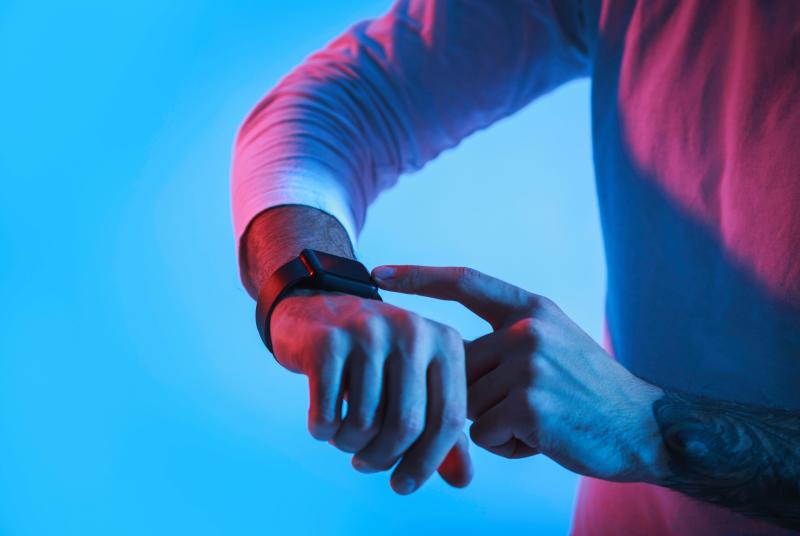
Technology has historically been something we carry—a brick-sized mobile phone in a briefcase, a laptop in a backpack, or a smartphone in a pocket. But the last decade has signalled a profound shift in that proximity. We no longer carry technology; we wear it. The era of wearable integration is here, transforming the human body into a node within the digital network.
This shift isn’t just about convenience; it represents a fundamental change in how we monitor our health, manage our productivity, and interact with the world around us. From the dedicated athlete tracking micro-movements to the busy executive managing a global team from their wrist, wearable technology has seamlessly woven itself into the fabric of daily life.
Understanding this landscape is essential for anyone looking to optimise their lifestyle. Whether you are looking to improve physical performance, safeguard your health data, or reduce screen time on your smartphone, the right wearable ecosystem can be a game-changer. This guide explores the current state of wearable integration, breaking down the hardware, the software ecosystems, and the future of the connected self.
The Evolution of the “Quantified Self”
The concept of the “quantified self”—using technology to acquire data on aspects of a person’s daily life—was once a niche hobby for data geeks and biohackers. Early adopters strapped cumbersome chest straps on for runs or manually logged calories in spreadsheets. Wearable integration has democratised this data.
Today, sensors that were once the domain of hospital wards are found in consumer devices costing less than a nice pair of sneakers. Photoplethysmography (PPG) sensors use light to measure blood flow, accelerometers track movement in three-dimensional space, and bioimpedance sensors measure body composition. This hardware explosion has created a new baseline for personal health literacy. We now expect our watches to tell us not just the time, but our stress levels, our sleep quality, and our blood oxygen saturation.
Fitness Trackers: The Foundation of Wearables
For many, the journey into wearable technology begins with the fitness tracker. These devices are the specialists of the wearable world. Unlike their generalist cousins, smartwatches, fitness trackers have a singular focus: monitoring physical activity and health-related metrics.
Precision and Focus
Fitness trackers are designed to be unobtrusive. They are often slimmer, lighter, and possess significantly longer battery lives than smartwatches—sometimes lasting weeks on a single charge. This makes them ideal for 24/7 wear, which is crucial for accurate data gathering.
Key Metrics
The modern fitness tracker goes far beyond the simple pedometers of the early 2000s.
- Heart Rate Monitoring: Continuous tracking allows users to see resting heart rate trends, which is a strong indicator of overall cardiovascular health.
- Sleep Tracking: By monitoring movement and heart rate variability, these devices can estimate time spent in Light, Deep, and REM sleep cycles, offering insights into recovery.
- Calorie Burn Estimation: Using algorithms that factor in age, weight, and activity intensity, trackers provide a rough guide to daily energy expenditure.
- Stress Management: Some advanced trackers measure electrodermal activity (EDA) to detect small electrical changes in the sweat level of your skin, indicating your body’s response to stress.
Market Leaders
- Fitbit: Synonymous with tracking, Fitbit (now owned by Google) offers devices that balance lifestyle features with deep health metrics.
- Garmin: The gold standard for serious athletes. Garmin trackers offer robust GPS and rugged durability, catering to runners, cyclists, and triathletes who need granular data on cadence and elevation.
- Xiaomi Mi Band: A dominant force in the budget market, proving that essential health tracking doesn’t require a massive financial investment.
Smartwatches: The Smartphone Extension
If fitness trackers are the specialists, smartwatches are the generalists. They serve as multifunctional extensions of smartphones, bringing the power of connectivity directly to the wrist. While they incorporate almost all the features of a fitness tracker, their primary value proposition is “integration.”
The Wrist-Based Command Centre
The smartwatch reduces friction. Instead of digging a phone out of a bag to check a notification, a user glances at their wrist. This micro-interaction saves time and, ironically, can help reduce overall screen time by preventing the “doom scroll” that often happens after unlocking a phone for a simple task.
Advanced Features
- Communication: Answering calls, dictating text replies, and even using walkie-talkie modes allow for seamless communication.
- GPS Navigation: Haptic feedback on the wrist can guide a user through a city without them ever looking at a map, keeping their head up and eyes on their surroundings.
- Music and Media Control: Whether controlling a Spotify playlist or storing offline podcasts for a phone-free run, smartwatches have become central to media consumption.
- NFC Payments: “Tap to pay” functionality via Apple Pay, Google Wallet, or Samsung Pay turns the watch into a wallet, streamlining transactions.
The Ecosystem Players
- Apple Watch: The market leader, known for its tight integration with the iPhone. It has pivoted heavily toward health, offering FDA-cleared ECG apps and fall detection.
- Samsung Galaxy Watch: The premier choice for Android users, utilising the Wear OS platform to integrate deeply with Google services and Samsung’s own SmartThings ecosystem.
- Wear OS Devices: Brands like Pixel and Fossil utilise Google’s operating system to offer a pure Android experience on the wrist.
The Audio Layer: Smart Earbuds and “Hearables”
Wearable integration isn’t limited to the wrist. The ear has become the next frontier for smart technology. Modern wireless earbuds have evolved into “hearables”—intelligent computing devices that live in your ears.
Beyond Music
While audio quality remains paramount, the utility of hearables has expanded.
- Voice Assistants: With always-listening microphones, users can summon Siri, Google Assistant, or Alexa to ask questions, set reminders, or control smart home devices completely hands-free.
- Transparency and Noise Cancellation: Advanced processors can analyse ambient sound in real-time, blocking out the hum of an aeroplane engine while simultaneously allowing the frequency of a human voice to pass through.
- Real-Time Translation: Some earbuds now offer live translation features, breaking down language barriers by whispering translations directly into the user’s ear.
Health Monitoring in the Ear
The ear is actually an excellent place to measure biometric data. New generations of earbuds are beginning to include heart rate sensors and body temperature sensors. Because the ear canal is dark and vascular, the data gathered here can arguably be more accurate than wrist-based sensors during high-intensity movement.
The Power of the Ecosystem
The true magic of wearable integration lies not in the individual device, but in how the devices talk to one another. This is the “ecosystem” effect.
When a user exercises, their smartwatch tracks the heart rate, their earbuds play the motivational music, and announce pace updates. The data is instantly synced to their smartphone for long-term analysis.
Seamless Handoffs
Integration means a call can be answered on a watch and seamlessly transferred to earbuds. It means unlocking a laptop simply by wearing a verified smartwatch nearby. This interoperability creates a “halo” of technology around the user where devices anticipate needs based on proximity and context.
The Walled Garden vs. Open Compatibility
Consumers face a choice when buying into these ecosystems.
- The Walled Garden (e.g., Apple): The integration is flawless, but exclusive. An Apple Watch does not work with an Android phone. The benefit is a highly polished, reliable experience where “it just works.”
- The Open Approach (e.g., Garmin, Jabra): These devices are platform-agnostic. A Garmin watch works beautifully with both iPhones and Androids. While you may lose some niche integration features (like responding to iMessages from the watch), you gain the freedom to switch phone brands without replacing your wearable hardware.
Wearables for Focus and Productivity
While health is a primary driver, the productivity aspect of wearables is often undervalued, particularly for students and working professionals. In environments that demand deep focus, wearables can actually act as a filter rather than a distraction.
Notification Triage
By curating which notifications vibrate the wrist, users can detach from their phones. A vibration for a calendar appointment or an urgent email from a boss gets through, but social media likes do not. This allows professionals to stay connected to what matters without being pulled out of “flow state.”
Safety and Independence
For parents of teenagers, wearables offer a middle ground between isolation and giving a child an unfettered smartphone. Smartwatches with LTE connectivity allow for location tracking and phone calls—ensuring safety and coordination—without the distractions of social media apps and web browsing found on smartphones. This creates a secure environment for independence.
Challenges: Battery, Privacy, and Obsolescence
Despite the benefits, wearable integration faces significant hurdles.
The Battery Bottleneck
The more powerful the device, the hungrier it is for power. While simple fitness trackers last weeks, feature-rich smartwatches often require daily charging. This “charging anxiety” creates friction. If a user forgets to charge their watch, the entire data chain for that day is broken.
Data Privacy
Wearables collect our most intimate data: where we go, how we sleep, and how our hearts beat. Users must scrutinise privacy policies. Who owns this data? Is it being sold to third parties? Reputable companies are transparent about data encryption and user ownership, but the risk of data breaches remains a valid concern in the digital age.
E-Waste and Longevity
Unlike a mechanical watch that can last generations, a smartwatch has a shelf life limited by its lithium-ion battery and software updates. This contributes to the growing problem of electronic waste. Consumers must consider the lifecycle of these products and look for brands with robust recycling programs.
The Future: Invisible Tech
Where does wearable integration go from here? The trend is toward invisibility. Technology will likely become smaller, less intrusive, and more deeply integrated into our clothing and accessories.
Smart Rings
Devices like the Oura Ring are leading this charge, packing advanced sensors into a form factor that looks like jewellery. They offer a screen-free alternative for those who want the data without the digital noise.
Augmented Reality (AR) Glasses
While still in their infancy, smart glasses promise to overlay digital information onto the real world. Imagine walking down a street and seeing navigation arrows floating on the sidewalk, or seeing a colleague’s name and title hover near them during a conference.
Medical Grade Monitoring
We are moving from “wellness” tracking to “medical” monitoring. Wearables are increasingly being used to manage chronic conditions, detecting atrial fibrillation or monitoring blood glucose levels non-invasively. This shifts the device from a nice-to-have gadget to a vital medical instrument.
Taking the Leap
Integrating wearables into your life is a personal journey. It starts with identifying your primary goal. Are you a data-driven athlete looking to shave seconds off a personal best? A busy parent trying to coordinate a family schedule while keeping their hands free? Or someone looking to understand their sleep patterns better?
The market is mature enough that there is a device for every need. The key is to look past the shiny features and find the tool that fits your specific lifestyle. When chosen correctly, wearable technology doesn’t just add another screen to your life—it provides a new lens through which to see yourself, empowering you to live healthier, safer, and more connected.
