
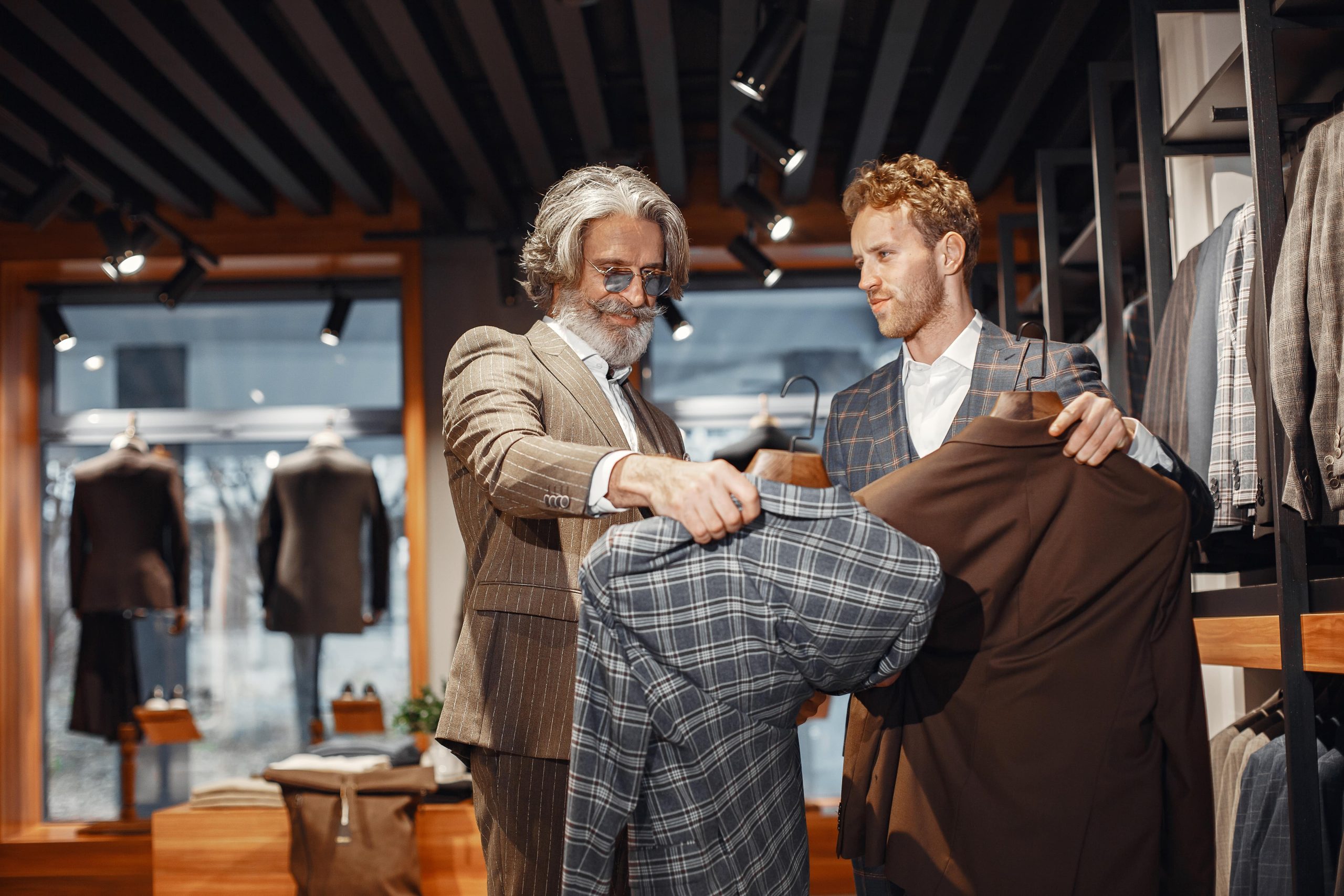
Few countries have wielded as much influence on global style as the United Kingdom. It is a nation of stark contrasts, where the rigid, foggy traditions of the aristocracy collide head-on with the raucous, anarchic energy of the street. This cultural friction has birthed some of the most significant movements in fashion history. From the refined artistry of Savile Row tailoring to the safety-pinned chaos of punk, British designers have consistently set new standards for creativity, craftsmanship, and bold experimentation.
But this legacy is about more than just clothes. It is a story of rebellion, discipline, and the relentless pursuit of a singular vision. For parents and educators observing the creative journeys of young people today, the history of British fashion offers a profound lesson in resilience and self-expression. It teaches us that mastery of a craft—whether it be the precise cut of a suit or the deconstruction of a dress—requires patience, but true innovation requires the courage to break the rules you’ve worked so hard to learn.
The timeline of British style is not a straight line; it is a series of explosions. It spans iconic moments that shifted the cultural axis: Mary Quant’s Chelsea boutique sparking the miniskirt revolution, Alexander McQueen’s theatrical runway spectacles that brought audiences to tears, and Vivienne Westwood’s punk manifestos that turned fashion into a political weapon. As we look toward the future, this legacy continues with a new guard of sustainability pioneers and gender-fluid visionaries who are redefining what it means to be a designer in the 21st century.
The Foundation of Excellence: The Savile Row Standard
To understand the rebellion of British fashion, one must first understand the rules it rebelled against. The story begins on a small street in Mayfair, London: Savile Row. Since the early 19th century, this strip of pavement has been synonymous with the “bespoke” suit—a term coined on the Row itself to describe cloth “spoken for” by an individual customer.
The Savile Row legacy is built on a bedrock of extreme discipline. This is not fast fashion; it is slow, deliberate, and exacting. A single bespoke suit can take up to 80 hours of hand labor to construct. The apprenticeships required to become a master cutter or tailor on the Row are notoriously rigorous, often lasting five years or more. Young apprentices spend years mastering a single aspect of the process, such as coat making or trouser cutting, before they are trusted with a client’s garment.
This dedication to craftsmanship established Britain as the global arbiter of men’s elegance. Figures like Beau Brummell, the original dandy, set the template for the modern suit, rejecting the ornate silks of the 18th century in favor of understated, perfectly fitted wool. Houses like Gieves & Hawkes and Henry Poole & Co. have dressed monarchs, prime ministers, and generals for generations.
For the aspiring creative, Savile Row represents the vital importance of technical foundation. Before the avant-garde designers of London could deconstruct the suit, they had to understand how to build it. It is a testament to the idea that true creativity is not just about wild ideas, but about the skill required to execute them perfectly.
The Youthquake: Mary Quant and the Liberation of the Leg
If Savile Row was the establishment, the 1960s brought the revolution. As the post-war gloom lifted, a new generation of teenagers emerged who were not content to dress like their parents. At the center of this seismic shift—often termed the “Youthquake”—was Mary Quant.
Opening her boutique, Bazaar, on the King’s Road in Chelsea, Quant didn’t just sell clothes; she sold a lifestyle. She recognized that the young women of the 1960s wanted freedom—freedom to move, freedom to run to the bus, and freedom from the restrictive, structured garments of the previous decade. She championed the miniskirt (named after her favorite car, the Mini), which became the defining symbol of the era.
Quant’s genius lay in her ability to democratize fashion. She used jersey fabrics, previously reserved for underwear or sports, to create fluid, comfortable, and affordable dresses. She introduced colorful tights, waterproof mascara, and the concept of fast-moving trends.
Her legacy is one of accessibility and intuition. Quant understood her audience because she was her audience. She proved that fashion didn’t have to be elitist or haughty to be influential. It could be fun, youthful, and liberating. For young students today, Quant’s story is a powerful reminder that observing the world around you—and identifying what is missing—is often the spark for true innovation.
Punk and Politics: The Anarchy of Vivienne Westwood
While Quant liberated the body, Vivienne Westwood sought to liberate the mind. Bursting onto the scene in the 1970s, Westwood, along with her partner Malcolm McLaren, defined the visual language of punk. From their shop at 430 King’s Road—which went by various names including SEX and Seditionaries—Westwood waged war on the status quo.
Westwood’s designs were aggressive and confrontational. She took symbols of the British establishment—tartan, tweed, the monarchy—and ripped them apart, pinning them back together with safety pins, zippers, and bondage straps. She printed t-shirts with provocative slogans and imagery that challenged societal norms. It was anti-fashion, yet it became the height of fashion.
But Westwood’s legacy extends far beyond the punk era. As her career evolved, she turned her rebellious spirit toward the runway, introducing historical corsetry (the “Pirate” collection) and famously causing supermodel Naomi Campbell to tumble in towering platform shoes. In her later years, Westwood became arguably the world’s first prominent eco-activist designer. She used her platform to campaign against climate change and overconsumption, famously urging people to “Buy less, choose well, make it last.”
Westwood taught the world that clothing is a medium for communication. She showed that a designer could be an intellectual and an activist. Her career illustrates the power of having a voice and the courage to stand alone, even when the rest of the industry thinks you are crazy.
The Savage Beauty: Alexander McQueen
No designer embodies the fusion of Savile Row discipline and punk rebellion more than Lee Alexander McQueen. The son of a taxi driver, McQueen began his career as an apprentice on Savile Row at Anderson & Sheppard. It was there that he learned the impeccable tailoring skills that would become his signature. Legend has it that his cutting skills were so precise that he could cut a jacket pattern without measuring the client.
McQueen’s shows were not mere catwalk presentations; they were visceral, emotional pieces of performance art. He forced the fashion industry to confront uncomfortable themes: violence, mental health, nature, and death. His “Highland Rape” collection, controversial and misunderstood at the time, was a raw exploration of the English clearance of the Scottish Highlands, referencing his own ancestry.
His creativity knew no bounds. He utilized technology long before his peers, famously projecting a ghostly hologram of Kate Moss inside a glass pyramid for his “The Widows of Culloden” show. In his final, fully realized show, “Plato’s Atlantis,” he livestreamed the event to the world, featuring alien-like digital prints and the iconic “Armadillo” shoes.
McQueen’s tragic death in 2010 left a void in the industry, but his legacy is immortal. He proved that fashion is art. He demonstrated that clothing could make you feel fear, awe, sadness, and transcendence. For students of the arts, McQueen is the ultimate example of how technical mastery (his tailoring) provides the freedom to express the deepest parts of the human soul.
The Modern Visionaries: Sustainability and Identity
The torch of British fashion has now been passed to a new generation who are tackling the crises of the modern world. The industry is no longer just about the silhouette; it is about the supply chain, the ethics, and the identity of the wearer.
Stella McCartney has been a pioneer in this space. Long before sustainability was a buzzword, McCartney launched her brand with a strict no-leather, no-fur policy. She was ridiculed by some in the luxury sector, who claimed a high-end brand could not survive without animal skins. Today, she is the industry standard, developing mycelium (mushroom) leathers and pushing for circular economies. She proved that ethics and luxury are not mutually exclusive.
Meanwhile, designers like Jonathan Anderson (of JW Anderson and Loewe) and Grace Wales Bonner are rewriting the codes of gender and identity. Wales Bonner, in particular, uses her collections to explore black male identity and post-colonial theory, blending European tailoring with Afro-Atlantic spirit. Her work is scholarly, research-driven, and deeply soulful, turning the runway into a place for cultural discourse.
Martine Rose and Charles Jeffrey Loverboy continue the British tradition of subculture celebration. They look to the club scenes and the streets of London, creating communities around their brands that feel inclusive and electric.
Why This Legacy Matters
Looking back at the trajectory of British fashion—from the quiet sewing rooms of Savile Row to the global stages of McQueen and McCartney—we see a clear narrative. It is a story of constant evolution, where the past is honored but never revered to the point of stagnation.
For the young creative mind, the lesson here is multifaceted.
- Respect the craft: Great ideas need a foundation of skill to be realized.
- Question the norm: Just because something has always been done one way doesn’t mean it’s the right way for you.
- Find your voice: Whether it’s through activism, storytelling, or technical innovation, your unique perspective is your greatest asset.
Fashion is often dismissed as frivolous, but the British legacy proves otherwise. It is a mirror of society, a tool for political engagement, and a profound form of artistic expression. As we encourage the next generation to dream, we can look to these iconic designers as proof that with enough vision and resilience, a single person can indeed change the way the world looks.
