
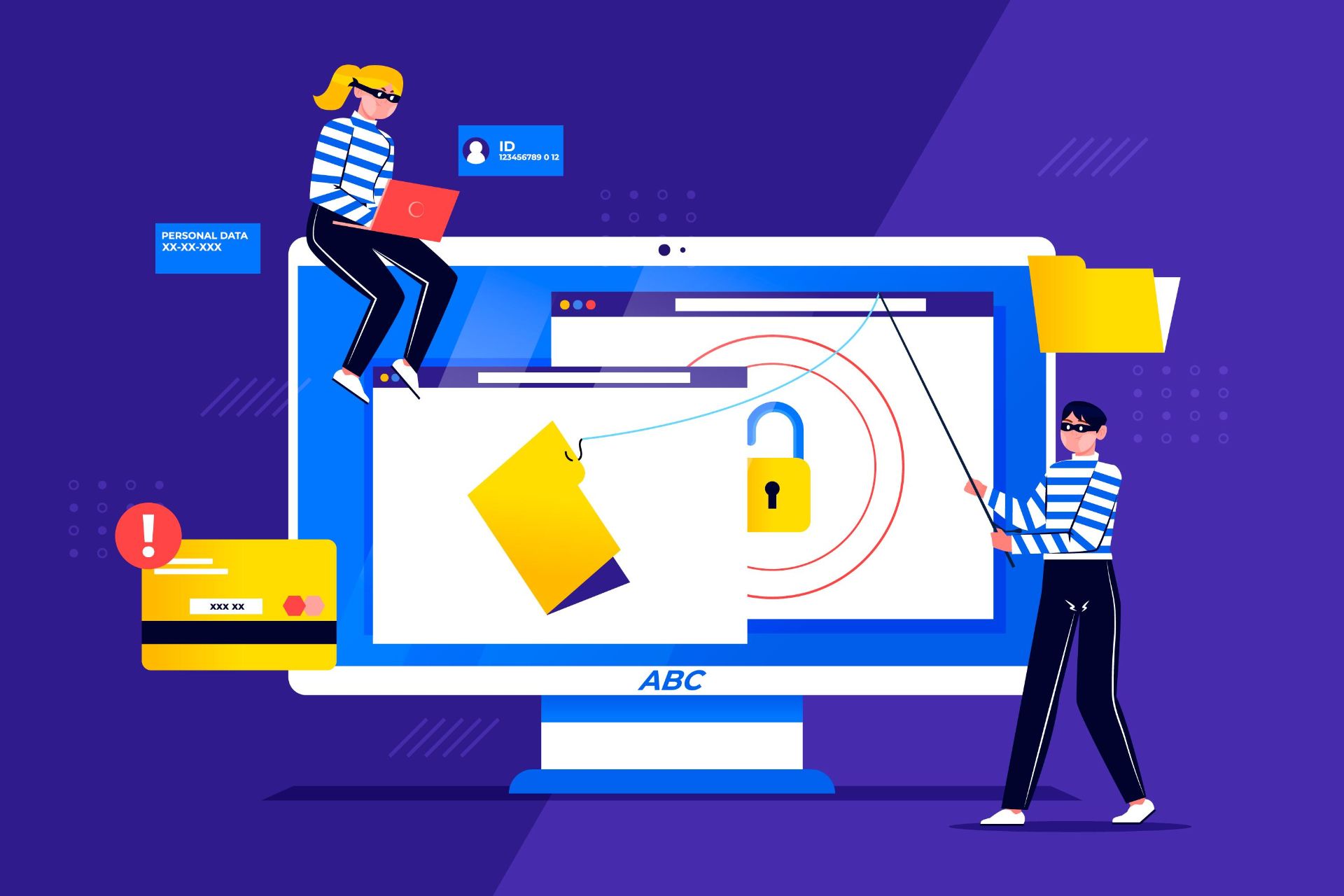
Every time GDPR customer visits your website, makes a purchase, or signs up for a newsletter. For decades, businesses collected this data with relatively few restrictions. That era is over.
With high-profile data breaches making headlines and consumer awareness at an all-time high, governments worldwide have stepped in to regulate how personal information is handled. Navigating this legal landscape can feel like walking through a minefield. Two regulations, in particular, have set the global standard: the General Data Protection Regulation (GDPR) and the California Consumer Privacy Act (CCPA).
Ignoring these frameworks isn’t an option. Non-compliance can lead to staggering fines and severe reputational damage. This guide breaks down the complexities of GDPR and CCPA, highlighting what they mean for your business and how you can build a strategy that prioritizes privacy without sacrificing growth.
Understanding GDPR: Key Principles and Requirements
Enforced by the European Union (EU) in May 2018, the GDPR is widely considered the toughest privacy and security law in the world. Its primary goal is to give individuals control over their personal data and to simplify the regulatory environment for international business.
The reach of the GDPR extends far beyond the borders of Europe. It applies to any organization—regardless of location—that targets or collects data related to people in the EU. If you sell to European customers or track their behavior online, you are likely subject to its rules.
Core Principles
The regulation is built on several key pillars that organizations must adhere to:
- Lawfulness, Fairness, and Transparency: You must have a legal basis for processing data, and you must be open about what you are doing with it.
- Purpose Limitation: Data should only be collected for specified, legitimate purposes and not used in ways incompatible with those purposes.
- Data Minimization: You should only collect data that is strictly necessary for the purpose at hand.
- Accuracy: Personal data must be accurate and kept up to date.
- Storage Limitation: Data should not be kept longer than necessary.
- Integrity and Confidentiality: You must ensure appropriate security to protect data from unauthorized access or loss.
Individual Rights
Under GDPR, EU citizens have expanded rights regarding their data. They can request access to the information you hold about them, correct inaccuracies, and request that their data be deleted (often called the “right to be forgotten”). They also have the right to data portability, allowing them to transfer their data from one service provider to another easily.
Exploring CCPA: Consumer Rights and Business Obligations
Following the EU’s lead, California enacted the CCPA, which went into effect on January 1, 2020. While it shares the spirit of the GDPR, the CCPA is tailored specifically to protect the privacy rights of California residents. Given California’s massive economy, this law effectively set a national standard for the United States.
The CCPA applies to for-profit businesses that do business in California and meet one of the following criteria:
- Have a gross annual revenue of over $25 million.
- Buy, receive, or sell the personal information of 50,000 or more California residents, households, or devices.
- Derive 50% or more of their annual revenue from selling California residents’ personal information.
Consumer Rights Under CCPA
The CCPA empowers consumers with specific rights over their personal information:
- To Know: Consumers can request that a business disclose the categories and specific pieces of personal data collected, the sources of that data, and the purpose of collection.
- To Delete: Consumers can request the deletion of personal information collected from them, subject to certain exceptions.
- To Opt-Out: Perhaps the most famous component of the CCPA is the right to opt out of the sale of personal information. Websites are often required to have a clear “Do Not Sell My Personal Information” link.
- The Right to Non-Discrimination: Businesses cannot deny goods or services, charge different prices, or provide a lower quality of service to consumers who exercise their rights under the CCPA.
GDPR vs. CCPA: Key Differences and Similarities
While both laws aim to protect privacy, they approach the task differently. Understanding the nuances is crucial for creating a compliance strategy that covers both bases.
The “Opt-In” vs. “Opt-Out” Model
The most significant difference lies in how consent is handled. The GDPR generally requires a legal basis for processing data, often meaning you need affirmative, “opt-in” consent from the user before you collect their data (like those cookie banners you see everywhere).
The CCPA, conversely, typically operates on an “opt-out” model. Businesses can collect and sell data on California residents without prior consent, provided they give the consumer notice and the ability to stop (opt-out of) that sale later.
Definition of Personal Information
Both laws have broad definitions of personal data, but they differ slightly. GDPR defines personal data as any information relating to an identified or identifiable natural person. This includes names, email addresses, and location data.
The CCPA defines personal information as information that identifies, relates to, describes, is reasonably capable of being associated with, or could reasonably be linked with a particular consumer or household. The inclusion of “household” is a unique expansion found in the California law.
Penalties and Enforcement
The GDPR is known for its teeth. Fines for non-compliance can reach up to €20 million or 4% of the firm’s worldwide annual revenue.
CCPA fines are generally lower per violation (up to $7,500 for intentional violations). Still, because they are assessed per consumer, the costs can escalate quickly in class-action lawsuits or widespread data breaches.
Best Practices for GDPR and CCPA Compliance
Compliance is not a one-time project; it is an ongoing operational requirement. Here are actionable steps to align your business with these regulations.
1. Conduct a Data Audit
You cannot protect what you don’t know you have. Map out your data flow. Identify what personal information you collect, where it comes from, where it is stored, who has access to it.
2. Update Your Privacy Policy
Your privacy policy should be a living document. Ensure it is written in clear, simple language. It needs to explicitly state what data you collect, why you collect it, and explain the rights users have regarding their information. If you are subject to CCPA, ensure you have the required “Do Not Sell” mechanisms in place.
3. Implement “Privacy by Design.”
Don’t treat privacy as an afterthought. Build it into your products and systems from the ground up. This might mean defaulting to the most secure settings, encrypting data at rest and in transit, and regularly testing your security protocols.
4. Establish Protocols for Data Subject Requests
When a user asks to see their data or have it deleted, you usually have a limited time to respond. Establish a straightforward internal process for verifying the identity of the requester and fulfilling these requests efficiently.
The Future of Data Privacy: Emerging Trends and Challenges
The landscape of data privacy is shifting rapidly. The CCPA has already been amended and strengthened by the California Privacy Rights Act (CPRA), often referred to as “CCPA 2.0,” which adds new rights and creates a dedicated enforcement agency.
Other US states, including Virginia and Colorado, have passed their own privacy laws that businesses must navigate. Internationally, countries like Brazil (LGPD) and Canada (PIPEDA) are enforcing strict data protection standards.
Furthermore, the rise of Artificial Intelligence (AI) presents new challenges. As AI systems require massive datasets to learn, questions arise about how this data is sourced and whether individuals consented to their data being used to train algorithms. Future regulations will likely focus heavily on the intersection of AI ethics and data privacy.
Prioritizing Trust in the Digital Age
Compliance with GDPR and CCPA is technically a legal requirement, but viewing it solely as a burden. In an era where trust is scarce, demonstrating a commitment to data privacy is a competitive advantage.
Customers are becoming increasingly savvy about their digital footprint. They prefer to do business with companies that respect their boundaries and protect their information. By prioritizing data protection, you aren’t just avoiding fines—you are building long-term loyalty and safeguarding.
