
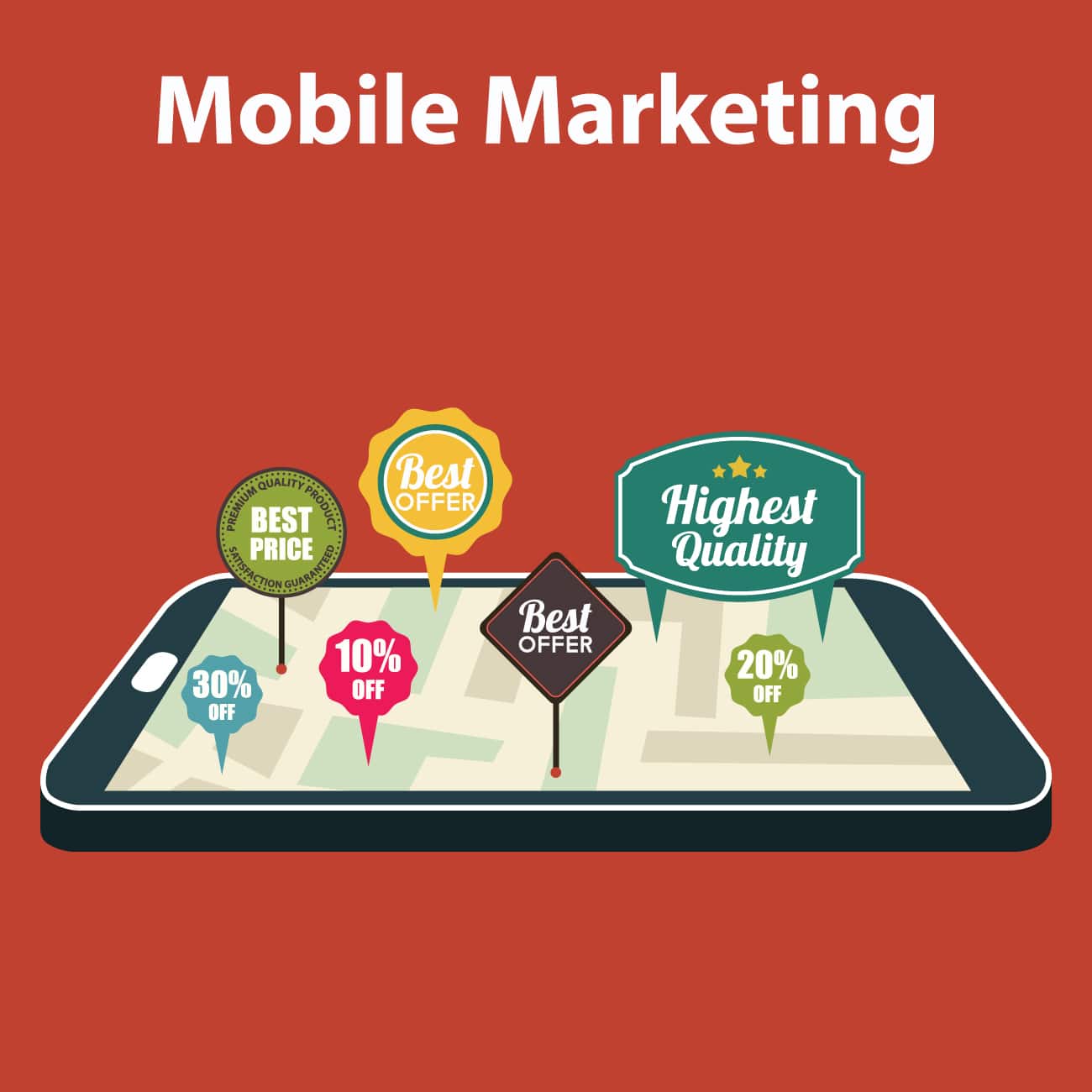
Mobile marketing isn’t just a component of a modern strategy; it’s the new standard for engaging audiences where they are most active. This approach involves tailoring every brand interaction—from advertisements to entire websites—for the seamless experience users expect on smartphones and other mobile devices. As traders and analysts, you understand the value of immediate, accessible information. Mobile marketing applies that same principle to brand communication, ensuring your message is not only seen but also acted upon, anytime and anywhere.
The shift to mobile dominance has been swift and decisive. With the majority of internet traffic now originating from mobile devices, a mobile-first mindset is no longer optional—it’s essential for survival and growth. For businesses, this means rethinking every touchpoint, from the initial ad a user sees on social media to the final click on a website. It’s about delivering a consistent, high-quality experience that feels native to the mobile environment.
This guide will break down the essential components of a robust mobile marketing strategy. We will explore the various channels, from SMS to in-app advertising, and provide actionable frameworks for implementation. By the end, you will have a clear understanding of how to leverage mobile marketing to not only reach your target audience but also to build lasting engagement and drive measurable results.
Why Mobile Marketing is a Non-Negotiable
The data speaks for itself: mobile devices are central to modern life. People spend hours each day on their phones, using them for communication, entertainment, work, and commerce. This constant connectivity presents a powerful opportunity for businesses to engage with their audience in a direct and personal way. A well-executed mobile strategy allows you to be present in the moments that matter most, delivering timely and relevant messages that resonate with your users.
Key Benefits of a Mobile-First Approach
- Unprecedented Reach: With billions of smartphone users worldwide, mobile marketing provides access to a massive and diverse audience. It breaks down geographical barriers, allowing you to connect with potential customers no matter where they are.
- Personalized Engagement: Mobile devices are inherently personal. This allows for a high degree of personalization in your marketing efforts. You can use location data, user behavior, and demographic information to deliver highly targeted messages that feel relevant and valuable.
- Immediate Impact: The immediacy of mobile communication is one of its greatest strengths. Push notifications, SMS alerts, and in-app messages can deliver information instantly, driving immediate action. This is particularly valuable for time-sensitive promotions and alerts, similar to the real-time data you rely on for trading.
- Cost-Effectiveness: Compared to traditional marketing channels, many mobile marketing tactics offer a higher return on investment (ROI). Digital ads, email campaigns, and social media marketing can be implemented and scaled at a relatively low cost, with the added benefit of precise targeting and measurable results.
For traders and financial professionals, the parallels are clear. Just as you need a trading platform that is fast, reliable, and accessible on the go, your audience expects the same from the brands they interact with. A clunky, non-responsive mobile experience is the equivalent of a trading platform with high latency—it creates frustration and leads to missed opportunities.
Core Channels of Mobile Marketing
A comprehensive mobile marketing strategy utilizes multiple channels to create a cohesive and immersive brand experience. Each channel has unique strengths and is best suited for different types of communication. Understanding how to leverage each one effectively is key to maximizing your impact.
1. Mobile-Optimized Websites
A mobile-responsive website is the foundation of your mobile marketing efforts. It ensures that your site looks and functions perfectly on any device, from a large desktop monitor to a small smartphone screen.
Responsive Design: This is the industry standard. A responsive website automatically adjusts its layout, images, and content to fit the screen size of the user’s device. This provides a consistent user experience and is favored by search engines like Google, which prioritizes mobile-friendly sites in its search rankings.
Key Elements for Optimization:
- Fast Loading Speeds: Mobile users are impatient. A site that takes too long to load will see high bounce rates. Optimize images, leverage browser caching, and minimize code to ensure your site is lightning-fast.
- Simple Navigation: Use clear, concise menus and a logical site structure. A hamburger menu is a common and effective solution for mobile navigation.
- Readable Text: Ensure your font sizes are large enough to be read comfortably on a small screen. Use high-contrast color schemes to improve legibility.
- Thumb-Friendly Buttons: Call-to-action (CTA) buttons and links should be large enough to be easily tapped with a thumb.
2. SMS/MMS Marketing
Short Message Service (SMS) and Multimedia Messaging Service (MMS) marketing involve sending promotional messages directly to a user’s phone. This is a highly effective channel due to its high open rates—often exceeding 90%.
Best Practices for SMS/MMS:
- Permission is Crucial: Always obtain explicit consent from users before adding them to your SMS list. This is not only a legal requirement (e.g., TCPA in the US) but also essential for building trust.
- Keep it Concise: SMS messages have a character limit. Get straight to the point and provide a clear call to action.
- Provide Value: Offer exclusive deals, important alerts, or timely updates. Avoid sending spammy or irrelevant messages that could lead to opt-outs.
- Use MMS for Visuals: MMS allows you to send images, GIFs, and short videos, which can significantly increase engagement.
3. In-App Marketing
If your business has a mobile app, it opens up a powerful channel for direct communication. In-app marketing can be used to promote new features, offer special deals, or guide users through the app.
Types of In-App Messages:
- Push Notifications: These are messages that appear on a user’s home screen even when the app is not open. They are effective for re-engaging users and delivering time-sensitive information.
- In-App Pop-ups: These messages appear while the user is actively using the app. They can be used for announcements, promotions, or to collect feedback.
4. Social Media Marketing
Social media platforms are predominantly accessed on mobile devices. Your social media strategy must be optimized for this environment.
Mobile-First Social Media:
- Vertical Video: Platforms like Instagram Stories, Reels, and TikTok are built around vertical video. Create content specifically for this format.
- Engaging Visuals: Use high-quality images and graphics that capture attention quickly. Mobile users scroll fast, so your content needs to stand out.
- Interactive Content: Use polls, quizzes, and Q&A features to encourage engagement.
5. Location-Based Marketing
Location-based marketing uses a user’s geographical location to deliver targeted messages. This is particularly effective for businesses with physical locations.
Techniques:
- Geofencing: Create a virtual boundary around a specific location. When a user enters or leaves this area, it triggers a pre-programmed action, such as sending a push notification with a special offer.
- Geotargeting: Target users in a specific city, state, or zip code with ads relevant to their location.
Building Your Mobile Marketing Strategy
A successful mobile marketing strategy is data-driven, customer-centric, and continuously optimized. Follow these steps to build a framework that delivers results.
Step 1: Define Your Audience and Goals
Before you launch any campaign, you need to have a clear understanding of who you are trying to reach and what you want to achieve.
- Create Buyer Personas: Develop detailed profiles of your ideal customers. Understand their demographics, behaviors, and pain points. As traders, you know your own profile; apply that same analytical rigor to understanding your customer.
- Set SMART Goals: Your goals should be Specific, Measurable, Achievable, Relevant, and Time-bound. Examples include increasing mobile traffic by 20% in six months or generating 100 app downloads per week.
Step 2: Choose Your Channels
Based on your audience and goals, select the channels that will be most effective. You don’t need to be on every platform. Focus your efforts on the channels where your audience is most active.
Step 3: Create Compelling, Optimized Content
Your content is the heart of your mobile marketing efforts. It needs to be valuable, engaging, and optimized for the mobile experience.
- Think Mobile-First: When creating content, always start with the mobile user in mind. This means short, scannable text, compelling visuals, and clear calls to action.
- Personalize Your Message: Use the data you have about your users to deliver personalized content. Address them by name, recommend products based on their past behavior, and send offers relevant to their location.
Step 4: Measure and Optimize
Mobile marketing is not a “set it and forget it” activity. You need to constantly monitor your performance and make data-driven adjustments to improve your results.
Key Metrics to Track:
- Mobile Traffic: How many visitors are coming to your site from mobile devices?
- Bounce Rate: What percentage of mobile visitors leave your site after viewing only one page? A high bounce rate can indicate a poor user experience.
- Conversion Rate: What percentage of mobile visitors complete a desired action, such as making a purchase or filling out a form?
- App Downloads and Engagement: If you have an app, track how many users are downloading it and how often they are using it.
Use analytics tools like Google Analytics to track these metrics and identify areas for improvement. A/B testing is a powerful technique for optimizing your campaigns. Test different headlines, images, and calls to action to see what resonates best with your audience.
The Future of Mobile Marketing
The world of mobile marketing is constantly evolving. New technologies and changing consumer behaviors are creating exciting new opportunities for engagement.
- Artificial Intelligence (AI): AI is already playing a huge role in personalization and automation. Chatbots, predictive analytics, and AI-powered ad targeting are becoming standard practice.
- Augmented Reality (AR): AR allows users to overlay digital information on the real world through their smartphone cameras. Brands are using AR to create immersive product visualizations and interactive experiences.
- Voice Search: The rise of smart speakers and voice assistants is changing how people search for information. Optimizing your content for voice search will be crucial in the coming years.
Your Next Move
Mobile marketing is an essential discipline for any business looking to thrive. It requires a deep understanding of your audience, a commitment to creating a seamless user experience, and a willingness to adapt to new technologies. By focusing on the core principles of mobile optimization, personalization, and data-driven decision-making, you can create a strategy that not only reaches your audience but also builds lasting relationships and drives sustainable growth.
Just as you leverage real-time data and customizable tools to seize market opportunities, applying a strategic mobile marketing approach allows your brand to connect with precision and impact. Start by evaluating your current mobile presence and identifying one or two key areas for improvement. The market waits for no one, and neither does the mobile user.
