
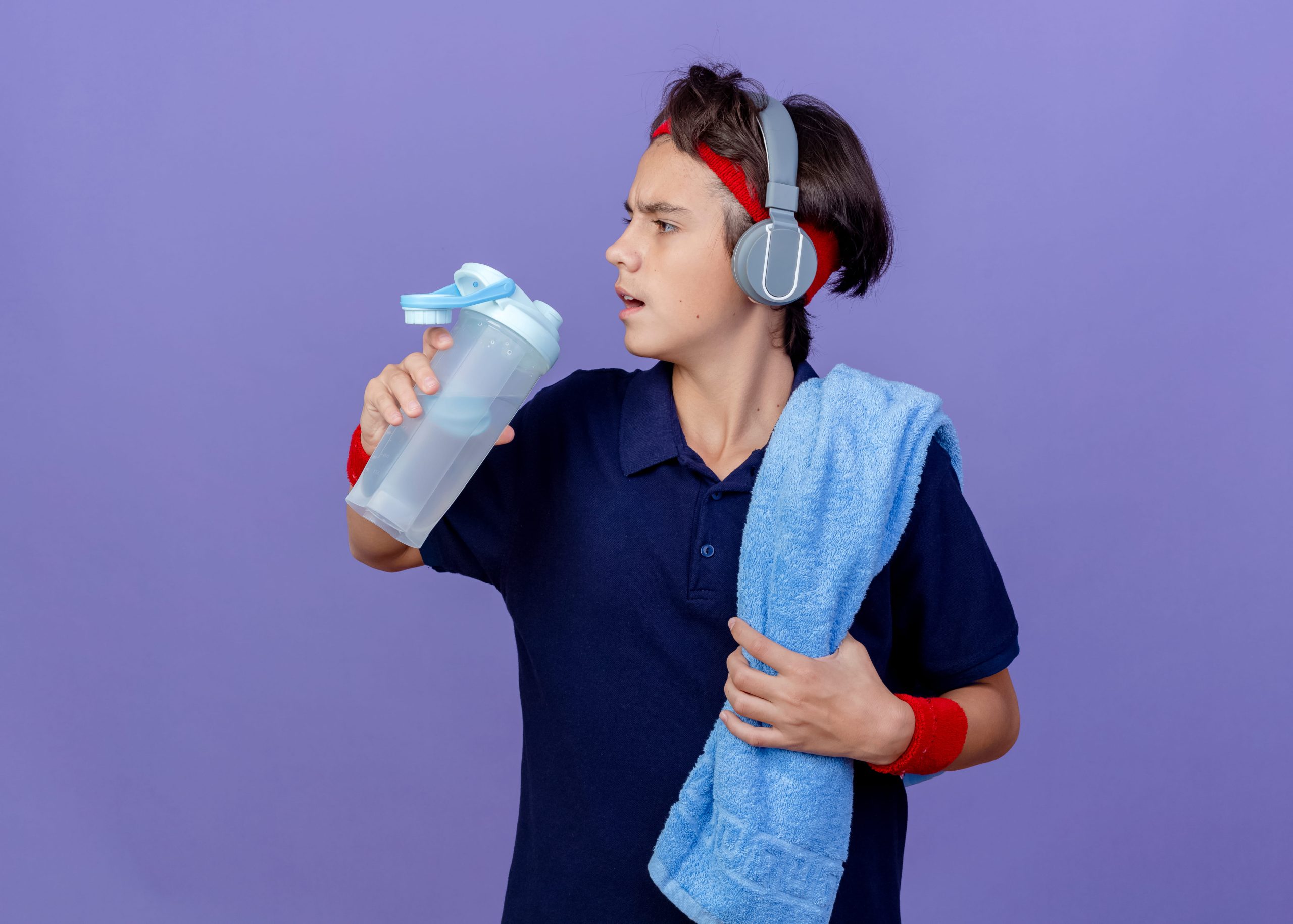
Sending a child to boarding school is a significant milestone. It’s a decision rooted in the desire for holistic development, where academics, sports, and character building come together to shape a future leader. You envision them debating in the hall, scoring the winning goal on the soccer field, and studying diligently in the library. However, amidst the rigorous schedules and the excitement of campus life, there is a fundamental physiological factor that often dictates whether a student thrives or merely survives the day: hydration.
We often tell our children to “drink plenty of water,” but the science of staying energized goes deeper than simple H2O. For a growing adolescent navigating the physical and mental demands of a boarding school environment, understanding electrolyte balance is the secret weapon for maintaining focus, resilience, and stamina.
When a student is dehydrated, their ability to concentrate in the classroom drops, their athletic performance suffers, and their overall mood can deteriorate. By understanding how electrolytes regulate fluid balance and muscle function, parents can empower their children to take charge of their health. This ensures that the investment in their education yields the transformative results everyone hopes for.
Beyond Thirst: Understanding the Body’s Battery
To understand why hydration matters so much for your child’s success, we first need to look at the biology of energy. Think of the human body as a high-performance machine. Water is the coolant that keeps the engine from overheating, but electrolytes are the electrical sparks that keep the engine running.
Electrolytes are minerals in your body that have an electric charge. They are found in your blood, urine, tissues, and other body fluids. These minerals—including sodium, calcium, potassium, chloride, phosphate, and magnesium—are critical because they help regulate fluid balance within the cells. But their job description is much broader than just keeping the body wet.
They are responsible for stimulating nerve signals and facilitating muscle contractions. Every time your child solves a math problem, a nerve signal fires in their brain. Every time they run a lap around the track, muscles contract and relax. None of this happens efficiently without a precise balance of electrolytes.
For active teenagers aged 10 to 18, maintaining this balance is a dynamic challenge. Their days are long and varied. They might move from a chemistry lab to a heated debate club, followed immediately by two hours of cricket or swimming. In this environment, the body is constantly working and, consequently, constantly losing vital resources.
The Science of Sweat: What Gets Left Behind
Sweating is the body’s natural air conditioning system, and in an active boarding school setting, students sweat more than they realize. Whether it’s during a designated sports hour or simply rushing between dorms and classrooms on a warm afternoon, fluid loss is constant.
However, sweat isn’t just water. When we perspire, we lose both water and electrolytes. If a student only replenishes with plain water after an intense football match or a long trek, they fix the fluid volume but potentially dilute the remaining minerals in their blood. This can lead to an imbalance that ironically prevents the body from rehydrating effectively.
Replenishing these lost electrolytes is essential to maintaining hydration. Without them, water passes through the system too quickly, leaving the cells thirsty. This imbalance is often the silent culprit behind the “afternoon slump” many students experience, where energy levels crash, and attention spans waver right when they need to be focusing on evening prep or homework.
The Key Players: Sodium and Potassium
While a spectrum of minerals supports the body, two specific electrolytes are the heavy lifters when it comes to fluid balance and muscle function: sodium and potassium.
Sodium: The Retainer
Sodium often gets a bad reputation in adult dietary conversations due to blood pressure concerns, but for an active, growing child, it is vital. Sodium acts like a sponge; it helps the body hold onto water so it can be used by the cells. Without adequate sodium, the water your child drinks may flush right through them. During intense physical activity, sodium is the electrolyte lost in the highest concentration in sweat.
Potassium: The Anti-Cramper
Potassium works in tandem with sodium. While sodium controls fluids outside the cells, potassium rules the inside. It is particularly important for muscle function. You may have heard of athletes eating bananas to prevent cramping—that’s potassium at work. It helps muscles contract smoothly, and nerves function properly. A deficiency here often leads to muscle weakness and those painful cramps that can sideline a student during a crucial match.
The Academic Advantage: Hydration and the Brain
We often associate hydration with sports, but its impact on academic performance is equally profound. The brain is roughly 75% water. Even mild dehydration—a loss of just 1-2% of body weight in fluid—can impair cognitive function.
For a student aiming for academic excellence, the symptoms of mild dehydration can be a major barrier. They include:
- Reduced Concentration: The ability to focus on a lecture or a complex text diminishes.
- Poor Memory: Short-term memory recall becomes slower, making studying less effective.
- Mental Fatigue: The feeling of “brain fog” sets in, making tasks feel harder than they actually are.
- Headaches: Dehydration is a leading cause of headaches in adolescents, which can ruin a day of learning.
In a future-focused learning environment, we want students to be sharp, alert, and ready to absorb information. Ensuring they are drinking water and getting enough electrolytes through their diet helps maintain the neural pathways required for critical thinking and problem-solving. It turns a struggling student into an alert, engaged learner.
The Athletic Edge: Preventing Fatigue and Injury
Boarding schools are renowned for their diverse opportunities in sports and extracurricular activities. From swimming and athletics to team sports like hockey and basketball, physical exertion is a core part of the holistic curriculum.
Here, electrolyte balance becomes a safety issue as much as a performance one. When muscles are deprived of calcium and magnesium (along with sodium and potassium), they become irritable. This leads to:
- Muscle Cramps: Sudden, involuntary contractions that can be painful and debilitating.
- Early Onset Fatigue: The student tires out faster than their fitness level suggests they should.
- Heat Exhaustion: Inability to regulate body temperature effectively.
Preventing muscle cramps and fatigue allows the student to participate fully and safely. It builds their confidence. There is nothing more discouraging for a young athlete than having the will to play but being let down by their body. Proper hydration ensures they have the physical resilience to match their mental determination.
Identifying the Imbalance: What to Look For
As parents, even if you are not on campus daily, you can educate your child on how to self-monitor. This fosters the independence that boarding schools are so successful at instilling.
Teach your child to recognize the signs of dehydration and electrolyte imbalance:
- Urine Color: This is the easiest indicator. It should be a pale straw color. Dark yellow or amber indicates dehydration.
- Salt Cravings: If they find themselves craving salty snacks intensely, it might be the body asking for sodium replacement after sweating.
- Dizziness upon Standing: This can indicate low blood volume due to dehydration.
- Dry Mouth or Skin: A classic sign that fluid levels are low.
- Irritability: A sudden bad mood can often be fixed with a glass of water and a snack.
Building Healthy Habits in a Boarding Environment
The structure of a boarding school provides an excellent framework for establishing lifelong healthy habits. Unlike at home, where a parent might constantly remind a child to drink water, boarding school requires the student to take ownership of their health. However, the supportive and nurturing environment of the school plays a massive role in this.
Here is how students can integrate hydration into their daily routine:
The Morning Ritual
Encourage your child to drink a large glass of water immediately upon waking up. After 8 hours of sleep, the body is naturally dehydrated. This jumpstarts the metabolism and wakes up the brain before the first class begins.
The Dining Hall Strategy
School meals are designed to be nutritious, but students need to know what to pick. To boost electrolytes naturally, they should look for:
- Bananas and Oranges: Packed with potassium.
- Yogurt and Milk: Excellent sources of calcium and magnesium.
- Leafy Greens: Spinach and other greens found in the salad bar are magnesium-rich.
- Salted Nuts: A great snack for sodium replenishment (in moderation).
The Water Bottle Companion
A durable, reusable water bottle is a student’s best friend. It should be with them in the classroom, the library, and the sports field. Many schools now have water stations across campus to make refilling easy.
Smart Supplementation
For days with intense sports tournaments or particularly hot weather, water might not be enough. This is where electrolyte drinks come in. However, educate your child to choose wisely. Many commercial sports drinks are loaded with sugar. Often, a pinch of salt and a squeeze of lemon in water, or coconut water (nature’s sports drink), is a better, healthier alternative.
The Role of Pastoral Care
One of the major value propositions of a top-tier boarding school is strong pastoral care. House parents and matrons are trained to look out for the well-being of the students. They are the safety net. They ensure that during exam periods or sports meets, nutrition and hydration are not neglected.
When choosing a school, it is worth asking about its approach to student health. Do they have designated breaks for hydration during sports? Are the meals balanced with active children in mind? A school that prioritizes these details is a school that truly understands the requirements of holistic development.
Empowering Your Child for the Future
Ultimately, understanding hydration and electrolytes is about more than just drinking water; it is about body literacy. It is about teaching a young person how to respect the vessel that carries them through life.
When a student learns that drinking water helps them ace the math test, or that eating a banana helps them score the goal, they are learning cause and effect. They are learning discipline and self-care. These are the transformative life skills that boarding schools excel at teaching.
By prioritizing these foundational health habits, we ensure that our children are not just present in the classroom but fully awake, engaged, and ready to seize the diverse opportunities available to them.
Nurturing Success from the Inside Out
The journey through boarding school is one of incredible growth. From a shy 10-year-old to a confident young adult ready for university, the transformation is profound. To support this journey, the biological foundations must be strong.
Hydration and electrolyte balance are the silent pillars of this foundation. They support the mind that learns and the body that plays. By having open conversations with your child about the importance of fueling their body correctly, you are giving them a tool for success that they will carry with them long after graduation.
Ensure your child is ready to face the challenges and opportunities of their education with a clear mind and a strong body. After all, true excellence starts with a healthy, hydrated, and balanced student.
