
Every parent knows the mix of pride and anxiety that comes with watching their child step onto the field, court, or track. Whether they dream of becoming professional athletes or love the camaraderie of a team, sports are a powerful vehicle for growth. They teach discipline, resilience, and the value of hard work—skills that translate directly from the playing field to the classroom and beyond.
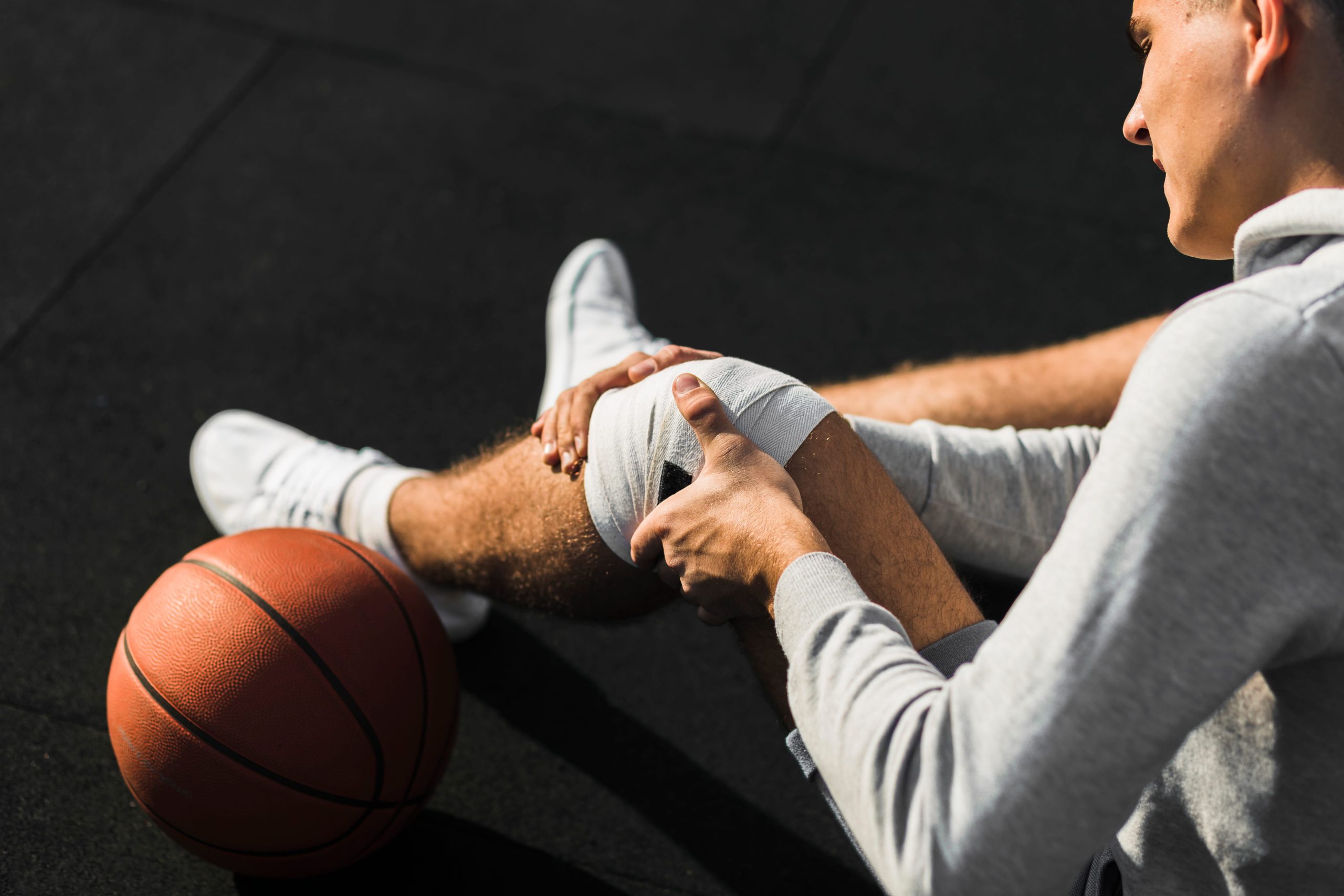
However, the physical demands of sports also bring risks. Nothing derails a young athlete’s progress—or their spirit—quite like an injury. From twisted ankles on the soccer pitch to overuse injuries in competitive swimming, physical setbacks can be discouraging.
For parents considering a boarding school environment like Doon Edu, where holistic growth and robust extracurricular are central to the experience, understanding how to keep young athletes safe is crucial.
This guide explores the essentials of injury prevention and rehabilitation for young students. We will look at how a structured, nurturing environment can help your child stay active, safe, and ready to reach their full potential.
The Reality of Youth Sports Injuries
It is easy to assume that because children are young and resilient, they will bounce back instantly from any physical setback. While young bodies do heal faster than adults, they are also uniquely vulnerable. Adolescents (ages 11–18) are often in phases of rapid growth. Their bones are growing faster than their muscles and tendons, which can lead to tightness and a higher susceptibility to injury, particularly around growth plates.
Common Types of Injuries
Understanding what we are trying to prevent is the first step. Generally, youth injuries fall into two categories:
- Acute Injuries: These happen suddenly. A fall during a basketball game, a collision in football, or a twisted knee during gymnastics. These are usually accidental and traumatic.
- Overuse Injuries: These are increasingly common in young athletes who specialise in one sport early. Repetitive stress on muscles, bones, and joints without adequate rest causes conditions like shin splints, stress fractures, and tendonitis.
For students in a full-time residential setting, managing these risks requires a partnership between the school’s athletic staff, medical team, and the student themselves. A holistic learning environment priorities physical well-being alongside academic achievement, ensuring that students aren’t just pushed to perform but taught to perform safely.
The Pillars of Prevention
Preventing injuries isn’t just about luck; it is about preparation and education. At Doon Edu, a proactive approach to physical health is part of empowering growth. Here are the core strategies that help keep young athletes in the game.
1. The Importance of Proper Warm-Ups and Cool-Downs
We often see students rushing from the classroom to the field, eager to start playing. However, skipping the warm-up is a recipe for disaster.
- Dynamic Warm-Ups: Static stretching (holding a stretch for 30 seconds) is essentially “out.” Modern sports science favours dynamic warm-ups—movements that mimic the activity the athlete is about to perform. High knees, butt kicks, and arm circles increase blood flow and temperature in the muscles, making them more pliable and less prone to tearing.
- The Cool-Down: Just as important is the cool-down. Allowing the heart rate to lower gradually and engaging in static stretching after the activity helps flush out lactic acid and improves flexibility, reducing soreness the next day.
2. Strength and Conditioning
A common misconception is that weight training is dangerous for teenagers. When done correctly and under supervision, age-appropriate strength and conditioning are vital for injury prevention. Stronger muscles stabilise joints and absorb the impact of landings and pivots.
In a boarding school environment, students have access to structured gym time and expert coaching. Coaches can guide students through body-weight exercises and light resistance training that focuses on form and core stability rather than just “lifting heavy.” This builds a chassis capable of handling the engine of a competitive teenager.
3. Equipment and Environment
Safety starts with the right gear. Wearing the correct footwear for a specific surface (e.g., cleats for grass vs. court shoes for hardwood) can prevent ankle rolls and knee strain. Protective gear like helmets, shin guards, and mouth-guards is non-negotiable.
Furthermore, the environment matters. Well-maintained fields and courts reduce trip hazards. In a residential campus setting, ensuring facilities are top-tier is part of creating a safe and inspiring atmosphere for students to explore their limits.
4. Hydration and Nutrition
Fuelling the body is a critical, often overlooked aspect of injury prevention. Dehydrated muscles cramp easily and are more susceptible to strains. Adolescents often do not recognise they are dehydrated until their performance drops.
Nutrition plays a massive role in bone density and muscle repair. Growing athletes need adequate calcium, Vitamin D, and protein. One of the benefits of a boarding school is the ability to monitor and provide balanced, nutritious meals that cater to the high energy expenditure of active students, ensuring they aren’t running on empty.
5. The Power of Rest and Recovery
The hardest lesson for a motivated young athlete to learn is that rest is not laziness; it is part of training. Over-training is a leading cause of burnout and injury.
Bodies repair themselves during sleep. Teenagers require 8–10 hours of sleep for optimal recovery. A structured environment helps enforce healthy sleep schedules, limiting late-night distractions and ensuring students are rested for both their morning classes and afternoon practice.
Recognising the Warning Signs
Even with the best prevention strategies, the occasional niggle or pain is inevitable. The culture around sports often encourages athletes to “tough it out” or “play through the pain.” This is a dangerous mindset that we must actively work to change.
Parents and coaches need to encourage open communication. Students should feel safe admitting when something hurts without fear of losing their spot on the team or disappointing their parents.
Watch for these red flags:
- Pain during activity that alters their form (limping, favouring one side).
- Pain that persists at night or disrupts sleep.
- Swelling or localised tenderness.
- A sudden drop in academic or athletic performance can indicate fatigue or hidden injury.
Early intervention is key. Treating a minor strain with a few days of rest is far better than ignoring it until it becomes a tear requiring months of rehabilitation.
The Rehabilitation Journey: Resilience in Action
If an injury does occur, the focus shifts from prevention to rehabilitation. This phase can be mentally tough for active students. They may feel isolated from their teammates or worried about falling behind. However, rehabilitation offers a unique opportunity to build character and resilience.
The Psychological Aspect of Recovery
An injury can feel like a loss of identity for a student who thrives on sports. They may experience frustration, anger, or sadness. Supporting their mental health during this time is just as important as healing their body.
- Staying Involved: Injured athletes should still attend practices and games. They can help with timing, keeping score, or simply cheering on their teammates. This maintains their social connection and sense of belonging.
- Focusing on What They Can Do: Rehabilitation often involves exercises that can be tedious. Shifting the mindset to view rehab exercises as “training” helps maintain motivation.
- Academic Focus: This downtime is an excellent opportunity to double down on academics or explore other interests like arts or music, reinforcing the holistic growth philosophy.
The Role of Professional Support
Rehabilitation should never be a guessing game. It requires the guidance of physiotherapists and athletic trainers. A clear, step-by-step plan helps the student see progress, even if it feels slow.
Phases of Rehab:
- Acute Phase: Managing pain and inflammation (Rest, Ice, Compression, Elevation).
- Recovery Phase: Restoring range of motion and flexibility.
- Strengthening Phase: Rebuilding lost muscle mass and stability.
- Functional Phase: Mimicking sport-specific movements (jumping, cutting, throwing).
- Return to Play: Gradual re-entry into full competition.
Rushing through these phases is the primary cause of re-injury. Patience is a virtue that rehabilitation teaches effectively.
How Boarding Schools Support Long-Term Athlete Health
For working professionals, managing the logistics of a young athlete’s injury prevention and recovery—scheduling physio appointments, monitoring nutrition, ensuring sleep—can be overwhelming. This is where a full-time residential boarding school offers distinct advantages.
Integrated Care Ecosystem
In a top-tier boarding environment, the gap between the classroom, the dormitory, and the sports field is bridged by communication. If a student is injured, house parents, academic tutors, and sports coaches are all informed. This ensures the student isn’t penalised for missing a class due to therapy and isn’t pressured to play during gym class.
Holistic Development
Because the focus is on the whole child, the definition of success isn’t limited to the scoreboard. If a student is sidelined from soccer, they are encouraged to pour energy into the debate club, the robotics lab, or the art studio. This balanced approach ensures their self-esteem isn’t tied solely to physical performance.
Developing Independence
Boarding school teaches students to take ownership of their bodies. They learn to self-regulate—choosing the salad over the junk food because they know it fuels their game, or going to bed early because they have a match the next day. This independence creates future-ready adults who value their health long after they leave school.
Creating a Safety-First Culture
Ultimately, injury prevention is about culture. It is about creating an environment where safety is valued over winning at all costs. It involves coaches who prioritise technique over intensity and parents who support the long-term health of their children over short-term glory.
When we teach children to listen to their bodies, to prepare properly, and to respect the recovery process, we aren’t just protecting their ankles and knees. We are teaching them risk management, self-care, and patience. We are equipping them with the tools to pursue their passions for a lifetime, not just a season.
Empowering Your Child’s Future
Sports should be a source of joy, not pain. By understanding the mechanics of injury prevention and the importance of proper rehabilitation, we can ensure that our children reap all the benefits of an active life.
At Doon Edu, we are committed to providing a safe and inspiring environment where your child can explore their athletic potential without compromising their well-being. We invite you to see how our holistic approach balances rigorous academics with nurturing athletic programs, creating the leaders of tomorrow.
