
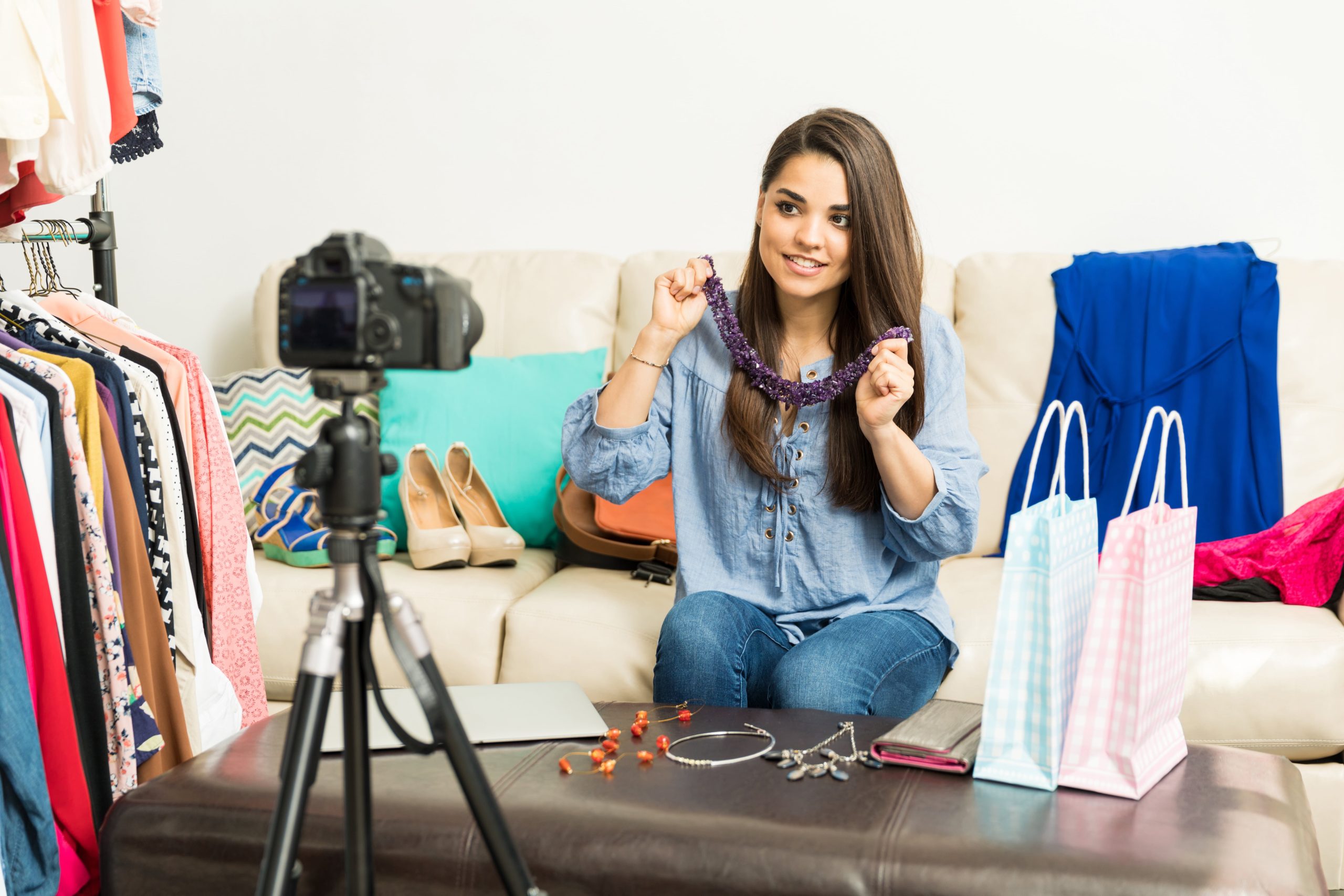
Fashion trends used to be set by a select few—designers, magazine editors, and celebrities on the red carpet. If you wanted to know what was “in,” you’d flip through the glossy pages of Vogue or watch a fashion show from Milan. But times have changed. Today, the most powerful voices in fashion might be the people you follow on Instagram or TikTok. They aren’t traditional advertisers; they’re influencers who feel more like trusted friends, sharing their daily lives, style tips, and favorite finds.
This shift has transformed how we discover and buy clothes. Instead of being told what to wear by big brands, we’re taking style advice from real people who have built a community around their authentic and relatable content. This emotional connection is at the heart of why influencer marketing has become so powerful in the fashion world. It turns casual online scrolling into confident purchasing decisions, all because we trust the person showing us the product.
In this post, we’ll explore why social media and influencer marketing have become essential for fashion brands. We’ll look at how influencers build trust, how their recommendations drive sales, and what the future holds for this dynamic partnership. By the end, you’ll understand why this isn’t just a trend but a fundamental change in how fashion connects with people.
From Runway to ‘Real’ Life: The Rise of Fashion Influencers
Not too long ago, fashion marketing followed a predictable formula. Brands would spend millions on high-production photoshoots, runway shows, and magazine ads. Celebrities were paid to endorse products, but everyone knew it was a transaction. The message was clear: “We are the experts, and this is what you should wear.”
Then came social media. Platforms like Instagram, YouTube, and later TikTok gave everyday people a stage to share their personal style. They didn’t have big marketing budgets or professional photographers. They just had a phone, a unique point of view, and a knack for connecting with others. These were the first fashion influencers.
What made them different? They weren’t just showing clothes; they were sharing their lives. Followers saw them get ready in the morning, try on different outfits, and talk about why they loved a certain pair of jeans or a specific dress. It felt personal and genuine. This authenticity created a powerful bond of trust that traditional advertising could never replicate. People started looking to these influencers for style inspiration because they felt like they were getting advice from a friend—a very stylish friend.
This shift has created a more democratic and accessible fashion landscape. Now, anyone can become a style authority, and brands have realized that partnering with these trusted voices is one of the most effective ways to reach their audience. It’s a move away from the distant, aspirational world of high fashion and toward a more relatable, community-driven approach.
Why Influencers Resonate in Fashion
The connection between an influencer and their audience is built on more than just shared style interests; it’s rooted in trust and relatability. When an influencer recommends a product, it doesn’t feel like a sales pitch. It feels like a genuine suggestion from someone whose opinion you value. Let’s break down the key elements that make this relationship so effective.
Authenticity and Trust
At its core, successful influencer marketing is about trust. Followers invest time in an influencer’s content, getting to know their personality, values, and daily routines. This long-term engagement creates a sense of familiarity and credibility. When that influencer recommends a clothing item, it comes with a built-in endorsement that feels more genuine than a traditional ad.
Think about it: you’re more likely to try a new restaurant if a friend you trust raves about it. The same principle applies here. An influencer who has consistently shared honest reviews and authentic content becomes a trusted source. Their followers believe they wouldn’t recommend something they didn’t genuinely love, which makes their endorsements incredibly persuasive.
Relatability and Aspiration
Fashion influencers strike a unique balance between being relatable and aspirational. On one hand, they show that they’re real people dealing with everyday life. They might share a “get ready with me” video on a busy morning or talk about finding an outfit that makes them feel confident. This relatability makes their followers feel understood and connected.
On the other hand, their curated style and polished content provide a touch of aspiration. They inspire their followers to try new trends, experiment with their look, and feel more confident in their own skin. It’s a powerful combination: “She’s like me, but she also has amazing style—maybe I can too.” This dynamic encourages followers not just to admire the clothes but to imagine themselves wearing them.
Niche Communities and Targeted Reach
The fashion world is incredibly diverse, and so are fashion influencers. There are influencers for every style, body type, and budget imaginable—from vintage fashion enthusiasts to plus-size style advocates to experts in sustainable clothing. This allows brands to connect with highly specific and engaged niche communities.
For example, a sustainable fashion brand can partner with an influencer who focuses on eco-friendly living.
This ensures their message reaches an audience that already values sustainability and is actively looking for ethical products. This targeted approach is far more efficient than broad-based advertising because it speaks directly to people who are most likely to be interested in what the brand has to offer.
How Influencer Collaborations Drive Business Growth
Partnering with influencers is more than just a marketing tactic; it’s a strategic approach that can deliver measurable results for fashion brands. From boosting brand awareness to driving direct sales, influencer collaborations offer a range of benefits that impact a company’s bottom line.
Increasing Brand Awareness and Reach
One of the most immediate benefits of influencer marketing is the massive exposure it can provide. When an influencer with a large and engaged following features a brand’s product, it instantly puts that brand in front of thousands or even millions of potential customers. This is especially valuable for new or smaller brands that are trying to get noticed in a crowded market.
A single post, story, or video can generate a wave of interest, leading to more website traffic, social media followers, and overall brand recognition. It’s like having a megaphone that amplifies your message to a perfectly targeted audience.
Driving Sales Through Authentic Recommendations
Ultimately, the goal of any marketing effort is to drive sales, and this is where influencer marketing truly shines. When an influencer shares a discount code or a direct link to a product, it creates a seamless path from discovery to purchase. Because the recommendation comes from a trusted source, followers are more likely to act on it.
Many fashion brands have seen products sell out within hours of being featured by a popular influencer. This “influencer effect” is a testament to the power of authentic endorsements. It’s not just about showing a product; it’s about telling a story around it and making it desirable in a way that feels natural and persuasive.
Generating High-Quality User-Generated Content
Influencer collaborations also provide brands with a wealth of high-quality content. When an influencer creates posts or videos featuring a brand’s products, that content can be repurposed across the brand’s own marketing channels—from its website and social media profiles to its email newsletters and digital ads.
This user-generated content (UGC) is valuable because it’s authentic and socially vetted. Seeing real people wearing and enjoying a brand’s clothes is far more convincing than seeing professional models in a studio. It provides social proof that the products are not only stylish but also wearable and loved by others, which can significantly boost customer confidence and conversion rates.
The Future of Fashion and Influencer Marketing
The partnership between fashion and influencer marketing is constantly evolving. As social media platforms introduce new features and consumer behaviors change, brands and influencers are finding new ways to collaborate and connect with audiences. Here are a few trends that are shaping the future of this dynamic field.
The Rise of Micro- and Nano-Influencers
While mega-influencers with millions of followers still have their place, many brands are turning their attention to micro-influencers (10,000–100,000 followers) and nano-influencers (under 10,000 followers). These smaller creators often have a more niche audience and a stronger, more personal connection with their followers.
Their engagement rates are typically higher, and their recommendations can feel even more authentic. For brands, partnering with a group of micro-influencers can be a cost-effective way to reach multiple engaged communities and drive genuine conversations around their products.
The Growing Importance of Video Content
Platforms like TikTok and Instagram Reels have made short-form video the dominant form of content on social media. In fashion, this has opened up new creative possibilities. “Haul” videos, “try-on” sessions, and “styling” tutorials allow influencers to showcase products in a dynamic and engaging way.
Video content brings clothing to life in a way that static photos can’t. It shows how a fabric moves, how an outfit looks from different angles, and how it can be styled for various occasions. As video continues to grow in popularity, it will become an even more crucial part of fashion influencer strategies.
A Stronger Focus on Long-Term Partnerships
As the influencer marketing landscape matures, many brands are moving away from one-off campaigns and toward long-term partnerships. Building a lasting relationship with an influencer allows them to become a true brand ambassador.
When an influencer consistently features a brand’s products over time, it reinforces the authenticity of their endorsement and builds deeper brand loyalty among their followers. These long-term collaborations create a more cohesive and impactful brand story, turning influencers into an integral part of a brand’s marketing ecosystem.
Building Your Path in Fashion’s New Landscape
The authentic voices of influencers have reshaped the world of fashion. What started as a few individuals sharing their personal style has grown into a powerful force that drives trends, builds communities, and transforms how we shop. The connection between influencers and their followers, built on trust and relatability, has proven to be one of the most effective tools for fashion brands looking to connect with today’s consumers.
For parents considering the best path for a child with a creative spirit and an interest in this modern industry, understanding these dynamics is crucial. The skills needed to succeed—communication, creativity, and the ability to build genuine connections—are nurtured in environments that encourage holistic development. By providing a supportive foundation, we can empower the next generation of innovators to find their voice and make their mark, whether it’s in fashion, marketing, or any other field they choose to pursue.
