
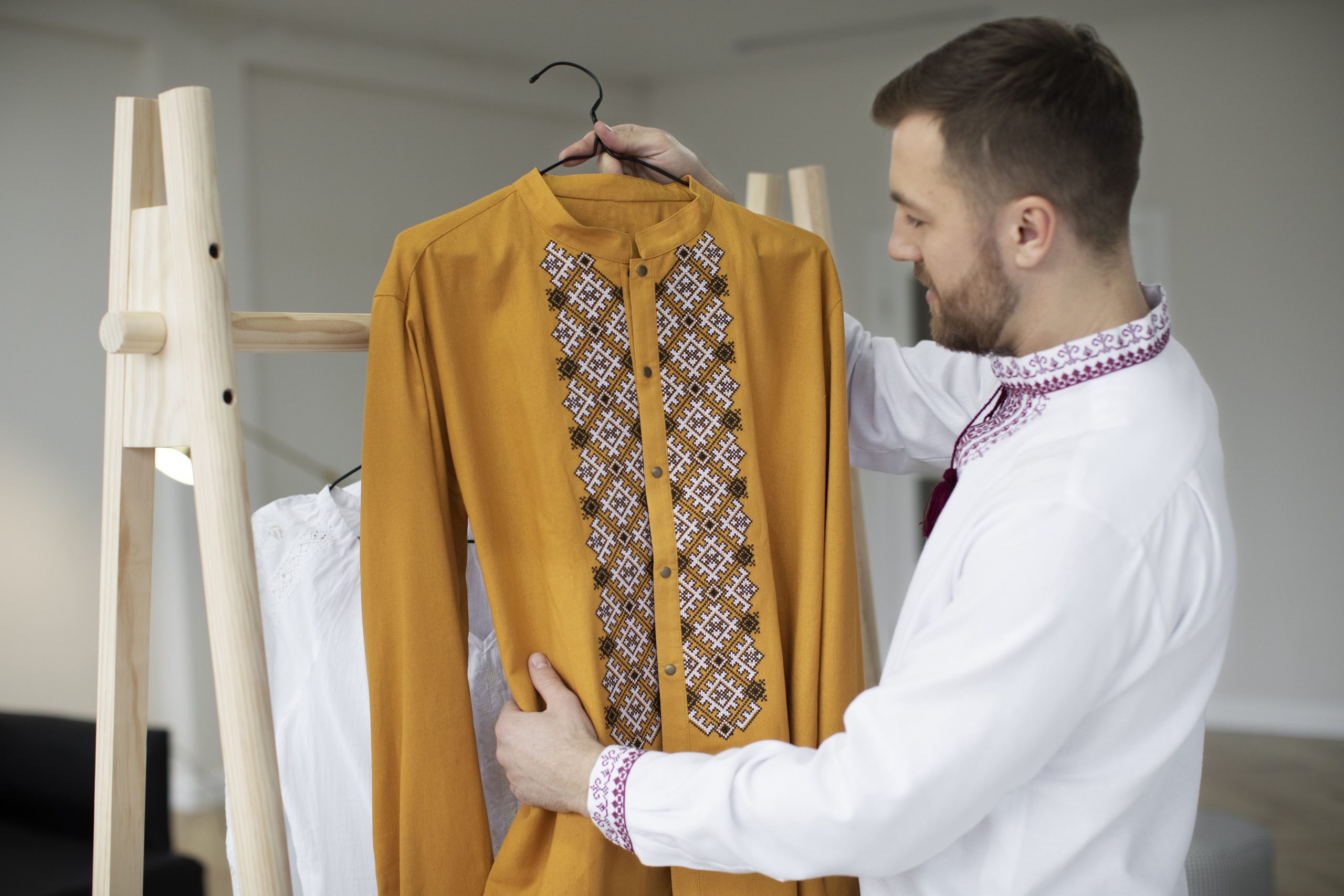
In a world dominated by fast fashion and fleeting trends, there’s a quiet revolution taking place in men’s wardrobes. It’s a return to something more meaningful, more comfortable, and deeply rooted in culture. Traditional men’s attire, from the flowing robes of the Middle East to the intricate patterns of West Africa, is making a powerful comeback. These garments are not just historical artifacts; they are vibrant, living pieces of culture that offer a unique blend of elegance, comfort, and personal expression.
This exploration is for anyone who values both style and substance. It’s for the man who wants to connect with his heritage or discover a new level of comfort that modern clothing often fails to provide. We will journey across continents to uncover the stories behind these iconic garments, from the Scottish kilt to the Japanese kimono. You’ll learn how these timeless designs were crafted for functionality and how they can be seamlessly integrated into a modern lifestyle. Prepare to see traditional wear not as a costume, but as a sophisticated and practical choice for the contemporary man.
A Tapestry of Comfort and Culture
At its core, traditional clothing was designed with a purpose that went far beyond aesthetics. It was engineered for the climate, the activities, and the social structures of its time. This inherent functionality is what makes many of these garments so incredibly comfortable and adaptable, even today.
Unlike the often restrictive nature of Western suits or the disposable quality of fast fashion, traditional attire is typically made from natural, breathable fabrics. Designs often prioritize freedom of movement, allowing for a level of comfort that is hard to match. This focus on practicality doesn’t come at the expense of style. In fact, the beauty of these garments lies in their ability to be both functional and profoundly elegant. Each piece tells a story through its fabric, color, and embellishments, reflecting a community’s history, values, and artistic traditions.
The Agbada: West African Elegance
The Agbada is a powerful symbol of prestige and cultural identity across West Africa, particularly in Nigeria. This flowing, wide-sleeved robe is typically worn over a matching pair of trousers (sokoto) and a tunic (buba). The complete three-piece ensemble, known as a boubou in French-speaking countries, is a statement of sophisticated grandeur.
Historically, the Agbada was reserved for kings, chiefs, and the wealthy, with its size and the intricacy of its embroidery signifying the wearer’s status. Today, it has become a popular choice for formal events like weddings, religious ceremonies, and cultural festivals. Crafted from fabrics like cotton, brocade, or aso-oke, the Agbada’s voluminous design is not just for show; it promotes air circulation, making it surprisingly comfortable in warm climates.
Modern interpretations of the Agbada are breathing new life into this traditional garment. Designers are experimenting with lighter fabrics, contemporary colors, and more minimalist embroidery, making it more accessible for everyday wear. Young men are embracing the Agbada as a way to connect with their heritage while making a bold fashion statement. It’s a perfect example of how traditional wear can be both a nod to the past and a confident stride into the future.
The Scottish Kilt: A Symbol of Highland Pride
Instantly recognizable, the Scottish kilt is more than just a piece of clothing; it’s a powerful emblem of national identity and clan heritage. Made from a long piece of tartan fabric, the kilt is pleated at the back and worn around the waist. Each tartan pattern, with its unique combination of colors and lines, is associated with a specific Scottish clan, family, or region.
The kilt’s origins trace back to the 16th-century Highlands, where the féileadh-mór (great kilt) served as a versatile, all-purpose garment. It was a blanket, a coat, and a tool for survival in the rugged landscape. The modern, tailored kilt (féileadh-beag) emerged in the 18th century and has since become the standard for formal wear.
While traditionally worn for formal occasions like weddings and Highland games, the kilt has found a place in contemporary fashion. Designers have incorporated tartan into modern menswear, and many Scotsmen now wear kilts for casual events, pairing them with t-shirts and boots. The comfort and freedom of movement offered by the kilt make it a practical and stylish alternative to trousers, proving that this ancient garment is far from being a relic of the past.
The Kimono and Yukata: Japanese Simplicity
The kimono is one of the most iconic garments in the world, synonymous with Japanese culture. This T-shaped, straight-lined robe is wrapped around the body and secured with a sash called an obi. While the formal kimono, often made of silk, is a complex and highly artistic garment, its more casual cousin, the yukata, offers a gateway to experiencing this traditional style with ease.
The yukata is a lightweight, unlined robe typically made from cotton. Its name translates to “bathing cloth,” as it was originally worn after bathing in an onsen (hot springs). Today, it’s commonly worn during the summer for festivals, fireworks displays, and other casual outings. The loose fit and breathable fabric make the yukata incredibly comfortable in hot, humid weather.
In recent years, the yukata and other kimono-inspired garments, like the haori (a short jacket), have gained popularity globally. Men are wearing them as light outerwear over modern clothes, embracing the relaxed silhouette and elegant simplicity. It’s a style that feels both minimalist and expressive, offering a comfortable alternative to a standard jacket or cardigan.
The Thobe: Middle Eastern Grace
Worn across the Arabian Peninsula and the wider Middle East, the thobe (or dishdasha) is a long, ankle-length robe that is the epitome of understated elegance and comfort. Typically made from cotton or a polyester blend, the thobe is designed to be loose-fitting, allowing for maximum airflow and comfort in the region’s hot desert climate. Its design is simple, yet refined, often featuring subtle embroidery on the collar and cuffs.
The thobe is the standard daily wear for men in many parts of the Middle East, worn for everything from business meetings to social gatherings. Its clean lines and modest silhouette project an image of dignity and respectability. While white is the most common color, especially for formal occasions, thobes are also available in other colors like gray, brown, and navy for more casual wear.
For those living in warmer climates, the thobe offers an incredibly practical and stylish alternative to Western-style clothing. Its breathable design keeps the wearer cool, while its elegant simplicity ensures a polished look. As global travel and cultural exchange increase, the thobe’s appeal as a comfortable and sophisticated garment is beginning to resonate far beyond its traditional borders.
The Dhoti: Indian Versatility
The dhoti is a traditional men’s garment worn across the Indian subcontinent. It consists of a rectangular piece of unstitched cloth, usually around five yards long, that is wrapped around the waist and legs. The style of wrapping varies by region, but it typically creates a trouser-like effect that allows for complete freedom of movement.
Made from breathable fabrics like cotton or silk, the dhoti is perfectly suited for India’s warm climate. It has been worn for centuries by men from all walks of life, from farmers to philosophers. While its use as daily wear has declined in urban areas, it remains an important garment for religious ceremonies, festivals, and weddings.
The dhoti’s comfort and adaptability have not gone unnoticed by modern designers. Fashion has seen the rise of “dhoti pants,” which mimic the draped silhouette of the traditional garment but come pre-stitched for convenience. These trousers offer the best of both worlds: the unique style and comfort of the dhoti with the ease of modern clothing. It’s a testament to how traditional forms can be reimagined for a new generation.
Embrace a Richer Wardrobe
Choosing to wear traditional attire is about more than just comfort or style. It’s an opportunity to connect with a story, a culture, and a history that is woven into the very fabric of the garment. It’s a deliberate choice to slow down, to appreciate craftsmanship, and to wear something with meaning. Whether you are connecting with your own heritage or respectfully exploring another’s, incorporating these pieces into your wardrobe can enrich your personal style and your understanding of the world.
Start small. Try a kimono-style jacket over a simple t-shirt and jeans, or wear a pair of dhoti pants for a relaxed weekend outing. As you grow more comfortable, you might find yourself reaching for these garments more often, drawn in by their unparalleled comfort and timeless elegance. In a world that often feels disconnected, wearing a piece of history can be a powerful way to feel grounded.
