
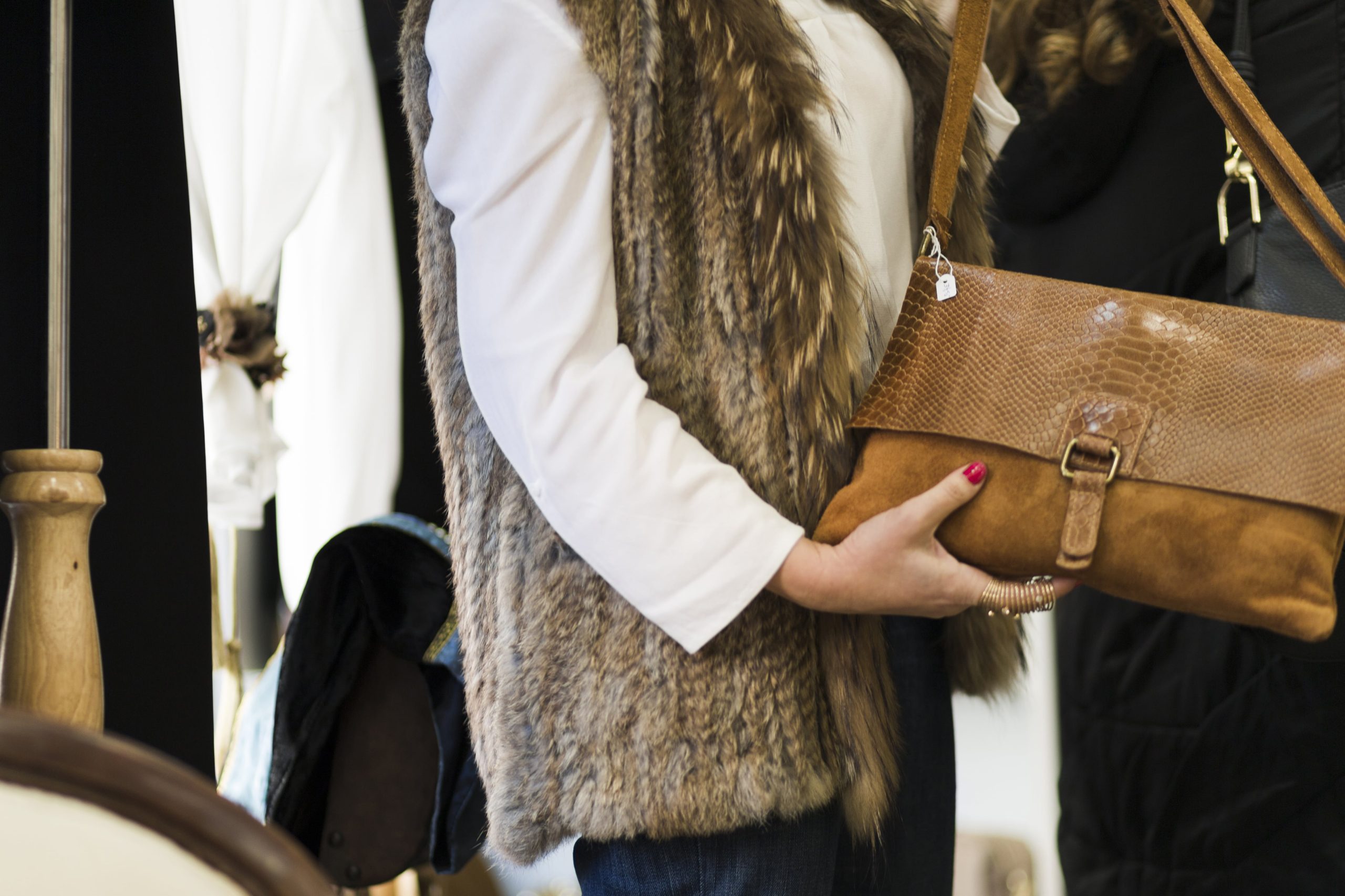
If you’ve ever shopped for a new jacket, handbag, or pair of shoes, you’ve likely come across terms like “vegan leather” or “faux fur.” These materials have become increasingly popular as more people look for alternatives to traditional animal products. But what exactly are they?
In simple terms, vegan or faux leather is a material that looks and feels like real leather but is made without using any animal products. The same idea applies to faux fur, which mimics the appearance and texture of animal fur. These alternatives are not just a single type of material; they can be made from a wide range of synthetic and natural sources.
This guide will walk you through everything you need to know about animal-free alternatives. We’ll explore the different types, look at their benefits and drawbacks, and help you understand how to care for them. By the end, you’ll have a clear picture of what these materials are and whether they fit into your lifestyle.
Understanding Vegan Leather
Vegan leather, also known as faux leather or synthetic leather, is an umbrella term for materials that imitate leather without using animal hides. The goal is to create a product that is both durable and aesthetically pleasing, offering a cruelty-free option for consumers. The innovation in this space has led to a variety of materials, each with its own unique properties and production methods.
Common Types of Vegan Leather
The world of vegan leather is diverse, with options ranging from plastic-based synthetics to innovative plant-based materials. Understanding the differences can help you make a more informed choice.
Polyurethane (PU) Leather
Polyurethane (PU) leather is one of the most common types of synthetic leather. It’s made by applying a polymer coating to a fabric base, such as cotton or polyester. This process creates a material that is soft, flexible, and has a texture very similar to genuine leather.
- How it’s made: A liquid form of polyurethane is coated onto a backing fabric. It’s then treated to create a leather-like texture. This method allows for a wide variety of finishes, from glossy to matte.
- Pros: PU leather is lightweight, water-resistant, and easier to clean than real leather. It is also more breathable than other synthetics like PVC.
- Cons: While it’s improved over the years, PU leather is generally less durable than genuine leather and can be prone to tearing or cracking over time.
Polyvinyl Chloride (PVC) Leather
Polyvinyl Chloride (PVC) leather is another widely used synthetic option. It is constructed from several layers of PVC plastic melted onto a fabric base. PVC is known for its durability and toughness.
- How it’s made: PVC is combined with plasticizers and other additives to make it flexible, then bonded to a fabric backing. Its surface is often embossed to mimic the grain of real leather.
- Pros: PVC is highly durable, resistant to stains, and very easy to clean, making it a popular choice for upholstery and high-wear items.
- Cons: It is less breathable than PU and can feel more “plastic-like.” The production process also involves chemicals like phthalates, which have raised environmental and health concerns.
Microfiber Leather
Microfiber leather is a higher-quality synthetic option that more closely replicates the structure of genuine leather. It is made from a blend of polyamide and polyurethane fibers that are intricately woven together.
- How it’s made: The process involves creating ultra-fine fibers, much thinner than a human hair, and then compacting them to form a material that has a similar fiber structure to animal hide.
- Pros: Microfiber leather is known for its exceptional durability, breathability, and soft feel. It’s resistant to scratches and stains and maintains its appearance well over time.
- Cons: It is typically more expensive than PU or PVC leather, placing it in a premium category among synthetics.
Plant-Based and Innovative Leathers
As technology and sustainability efforts advance, new and exciting plant-based leathers are emerging. These materials offer an alternative to traditional plastic-based synthetics, often utilizing waste products from other industries.
Pineapple Leather (Piñatex®)
Piñatex is an innovative material made from the cellulose fibers of pineapple leaves. These leaves are a byproduct of the pineapple harvest, meaning they don’t require extra water, land, or pesticides to produce.
- How it’s made: The long fibers are extracted from pineapple leaves, washed, and dried. They are then processed into a non-woven mesh, which forms the base for the leather-like material.
- Pros: It’s a sustainable and cruelty-free option that supports farming communities by providing an additional source of income. It has a unique, natural texture.
- Cons: Piñatex is not as durable as high-quality genuine leather and may require a protective coating to improve its longevity.
Cork Leather
Cork leather is harvested from the bark of cork oak trees. The harvesting process is sustainable, as the bark regrows and can be harvested every nine years again without harming the tree.
- How it’s made: The harvested cork is boiled, flattened, and then attached to a fabric backing.
- Pros: Cork is lightweight, water-resistant, and naturally hypoallergenic. Each piece has a unique pattern, making it visually interesting.
- Cons: While durable, it may not have the same tensile strength as traditional leather, making it better suited for accessories than for heavy-duty items like work boots.
Apple Leather
Apple leather is made from the pulp and peel leftover from the apple juice and compote industry. This “apple waste” is repurposed to create a soft, durable material.
- How it’s made: The waste is dried and ground into a powder, which is then mixed with a binder and spread onto a fabric canvas to create the final material.
- Pros: It’s an excellent example of a circular economy, turning food industry waste into a valuable product. It is soft and comes in various finishes.
- Cons: The long-term durability is still being tested compared to more established materials. It often contains some polyurethane to ensure stability.
Mushroom Leather (Mycelium)
Mushroom leather is derived from mycelium, the root-like structure of fungi. It can be grown in a lab in a matter of days, using minimal resources.
- How it’s made: Mycelium is grown on a substrate of agricultural waste. Once it has formed a dense mat, it is harvested, processed, and tanned to create a material that feels very similar to animal leather.
- Pros: Mycelium is completely biodegradable and can be grown to specific shapes and sizes, reducing waste. It has a soft, supple feel.
- Cons: This technology is still relatively new and expensive, making it less accessible for mainstream consumer products at the moment.
A Closer Look at Faux Fur
Faux fur is a textile designed to resemble real animal fur. It has been used for over a century, but has seen a significant surge in popularity as fashion brands move away from using real fur. Today’s faux fur is often so realistic that it can be difficult to distinguish from the real thing.
Types of Faux Fur
Faux fur is typically made from synthetic polymers like acrylic, modacrylic, or polyester. The quality can vary greatly depending on the fibers used and the manufacturing process.
- Basic Faux Fur: Often used for toys, costumes, and trim, this type is less expensive and has a more uniform appearance.
- Luxury Faux Fur: This type uses finer, longer fibers of varying lengths and colors to closely mimic the look and feel of specific animal furs, such as mink, fox, or chinchilla. It is softer, denser, and more durable.
How is Faux Fur Made?
The production process involves weaving or knitting synthetic fibers into a fabric backing. The fibers are cut to different lengths and can be dyed in various colors and patterns to replicate the appearance of natural fur. Advanced techniques allow for textures that are incredibly soft and plush.
Evaluating the Pros and Cons
When choosing between animal-based products and their alternatives, it’s helpful to consider several factors, from ethics to environmental impact and durability.
The Case for Animal-Free Alternatives
- Animal Welfare: This is the most straightforward benefit. Vegan leather and faux fur are made without harming animals, making them a clear choice for those who oppose the use of animal products for ethical reasons.
- Versatility and Style: Synthetic materials can be produced in virtually any color, texture, or finish. This design flexibility allows for a wider range of creative options in fashion and decor than traditional leather and fur.
- Lower Cost: In general, synthetic leathers like PU and PVC, as well as basic faux fur, are significantly more affordable than their animal-derived counterparts. This makes them accessible to a broader audience.
- Ease of Care: Most synthetic materials are water-resistant and can be wiped clean with a damp cloth, making them much lower maintenance than genuine leather or fur.
The Challenges and Criticisms
- Environmental Impact of Synthetics: Many common vegan leathers, such as PVC and PU, are derived from fossil fuels. Their production can release harmful chemicals, and as plastics, they are not biodegradable. This means they contribute to landfill waste at the end of their life.
- Durability: While high-quality synthetics exist, many cheaper vegan leathers and faux furs are less durable than the real thing. They can be prone to peeling, cracking, or shedding, leading to a shorter lifespan and the need for more frequent replacement.
- Breathability: Plastic-based leathers like PVC are not breathable, which can make them uncomfortable for clothing and shoes. While PU is more breathable, it still doesn’t match the natural porosity of genuine leather.
- The Rise of Sustainable Alternatives: The good news is that the industry is evolving. The development of plant-based leathers from pineapples, apples, and mushrooms addresses many of the environmental concerns associated with plastic-based synthetics. These materials are often biodegradable and utilize waste streams, promoting a more circular economy.
Making an Informed Decision
Choosing animal-free alternatives is a personal decision that often involves balancing different priorities. Whether you are driven by ethics, environmental concerns, or budget, there is an option out there for you.
By understanding the materials and their production processes, you can make a choice that aligns with your values. If sustainability is a key factor, exploring plant-based leathers might be the best path.
If you need something affordable and easy to clean, a PU-based product could be a practical choice. The growing diversity in the market means you no longer have to compromise on style or function to make a conscious choice.
