
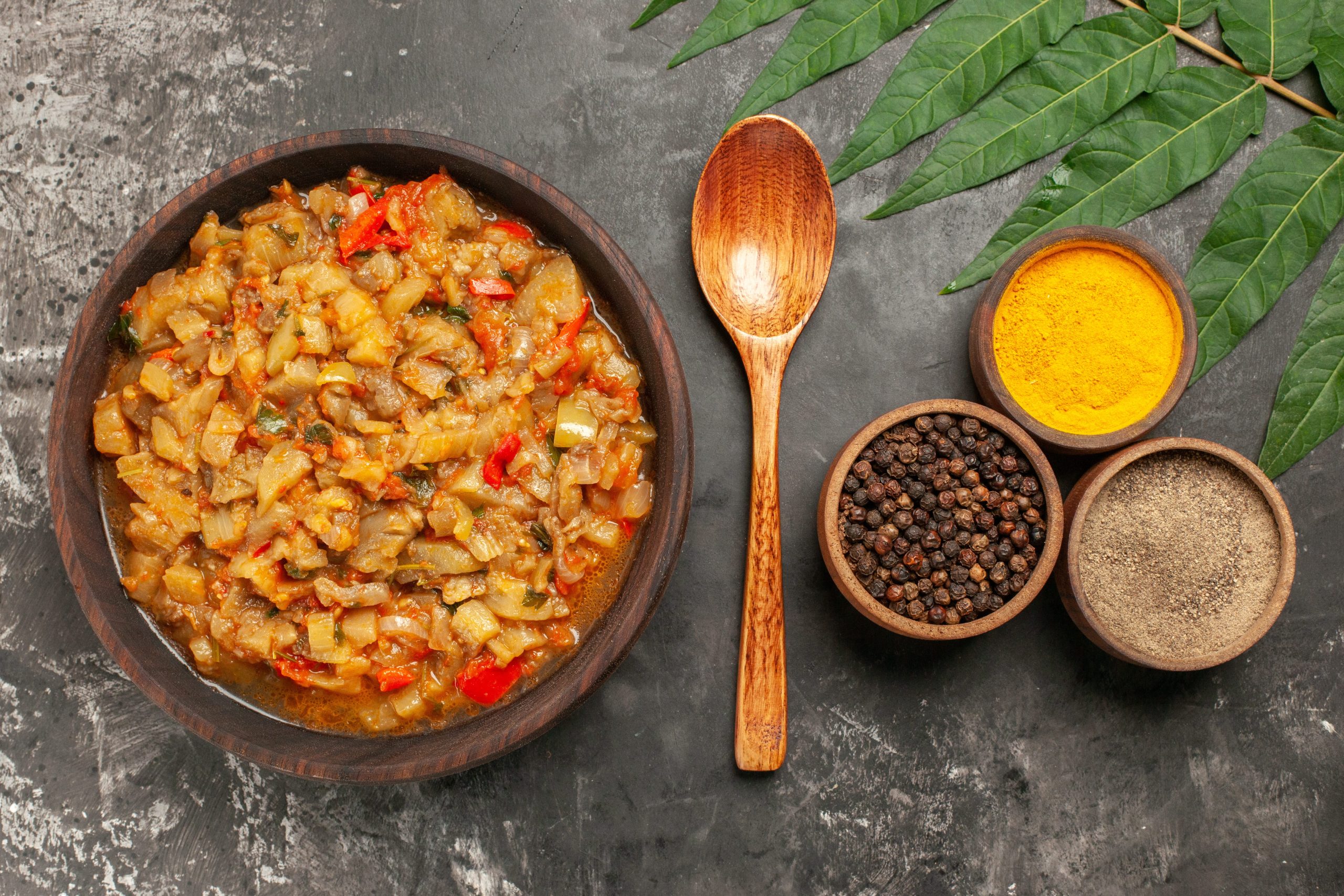
If you have ever walked through the bustling streets of Lahore or Karachi, the aroma of spices is unmistakable. It greets you at every corner—the smoky scent of Chapli Kebabs sizzling on a flat griddle, the rich, slow-cooked depth of a Nihari bubbling in large cauldrons, or the creamy, aromatic allure of a Chicken Korma.
These dishes are the pillars of Pakistani cuisine, celebrated for their complexity and depth. But amidst these meat-heavy giants stands a humble, vegetarian champion that holds its own on any dinner table: Chana Masala.
This authentic Indian and Pakistani-style Chana Masala recipe is vibrant, offering just the right amount of tanginess and rich, spicy flavor. It transforms simple pantry staples into a tender, flavorful chickpea curry that is perfect for a weeknight dinner. Best of all, it is naturally vegan, gluten-free, and incredibly healthy, proving that comfort food doesn’t have to be heavy.
The Heart of South Asian Cooking
To understand why Chana Masala is such a beloved dish, we have to look at the broader landscape of South Asian cuisine. Food in this region is rarely just about sustenance; it is a cultural language. Whether you are in a boarding school in the foothills of the Himalayas or a family home in Punjab, food is the connector.
Dishes like Nihari, a slow-cooked beef stew thickened with flour and rich marrow, were originally served to Mughal royalty and later became the breakfast of champions for the working class. Korma, with its yogurt-based gravy and fragrant cardamom, tells stories of Persian influence. Chapli Kebabs, with their unique blend of pomegranate seeds and ground meat, speak to the rugged culinary traditions of the Northwest Frontier.
Chana Masala, often called Cholay in Pakistan, fits perfectly into this tapestry. It is the great equalizer—served as a breakfast item with fluffy puris (fried bread) on Sunday mornings, or as a hearty main course with rice or Naan for dinner. It captures the essence of the region’s cooking philosophy: layering flavors to create something greater than the sum of its parts.
Understanding the Ingredients
The secret to an authentic restaurant-style Chana Masala lies not in a single ingredient, but in the harmony of spices. If you are used to bland, canned chickpea stews, get ready for a revelation. This recipe relies on “bhunai”—the technique of frying spices and aromatics until the oil separates from the masala base.
The Chickpeas (Chana)
You can use canned chickpeas for convenience or dried chickpeas for texture. If using dried beans, they need to be soaked overnight and boiled until tender. The key is that they should hold their shape but melt in your mouth when eaten.
The Masala Base (Tarka)
This starts with onions. In Pakistani cooking, the browning of onions determines the color and depth of your curry. For Chana Masala, we want a golden-brown hue—not too dark like a Korma, but cooked enough to lose the raw bite.
Ginger and garlic paste are non-negotiable. It provides the aromatic foundation that cuts through the starchiness of the beans. Fresh tomatoes add the necessary acidity and body to the gravy.
The Spice Blend
This is where the magic happens.
- Cumin and Coriander Powder: The earthiness.
- Turmeric: For that vibrant golden color and anti-inflammatory benefits.
- Red Chili Powder: For heat.
- Amchur (Dried Mango Powder) or Tamarind: This is the secret ingredient for that signature tanginess found in street-style Chana Masala. If you don’t have these, lemon juice works in a pinch.
- Garam Masala: Added at the end for a final fragrant lift.
- Kasuri Methi (Dried Fenugreek Leaves): Rubbed between your palms and sprinkled on top, this adds a buttery, smoky aroma that instantly makes the dish smell like it came from a restaurant.
Step-by-Step Authentic Chana Masala Recipe
Ready to bring the flavors of South Asia into your kitchen? This recipe serves 4 and takes about 40 minutes.
Ingredients
For the Base:
- 2 cans (15 oz each) Chickpeas (rinsed and drained), or 2 cups dried chickpeas (soaked and boiled)
- 3 tbsp Oil or Ghe
- 1 large Onion, finely chopped
- 1 tbsp Ginger-Garlic Paste
- 2 medium Tomatoes, pureed or finely chopped
- 1-2 Green Chilies, slit (adjust to taste)
The Spices:
- 1 tsp Cumin Seeds (Zeera)
- 1 tsp Coriander Powder (Dhaniya)
- 1/2 tsp Turmeric Powder (Haldi)
- 1 tsp Red Chili Powder (adjust to heat preference)
- 1 tsp Salt (or to taste)
- 1 tsp Dry Mango Powder (Amchur) OR 1 tbsp Tamarind Paste
- 1 tsp Garam Masala
- 1 tbsp Dried Fenugreek Leaves (Kasuri Methi)
Garnish:
- Fresh Cilantro, chopped
- Ginger julienne (thin strips)
- Lemon wedges
Instructions
1. Prepare the Aromatics
Heat the oil in a heavy-bottomed pot or Dutch oven over medium heat. Add the cumin seeds and let them splutter for a few seconds. This infuses the oil with flavor right from the start.
Add the chopped onions. Sauté them patiently. You want them to turn a beautiful golden brown. If you rush this step, your curry will taste sweet and raw.
2. Create the Masala Paste
Add the ginger-garlic paste and green chilies to the onions. Sauté for another minute until the raw smell of garlic disappears.
Stir in the tomato puree. Cook this mixture for 5-7 minutes. You will know it is ready when the oil starts to separate from the tomato-onion paste and oozes out the sides. This separation of oil is a crucial visual cue in Pakistani cooking known as “Bhunna.”
3. Spice It Up
Lower the heat to avoid burning the spices. Add the coriander powder, turmeric, red chili powder, and salt. Stir well for a minute. If the mixture looks too dry, add a splash of water to prevent burning.
4. Simmer the Chickpeas
Add the rinsed and drained chickpeas to the pot. Stir well to coat every bean in the masala.
Add about 1 to 1.5 cups of water, depending on how much gravy you want. If you want a thicker, restaurant-style consistency, use a potato masher or the back of your spoon to crush a handful of chickpeas against the side of the pot. This naturally thickens the gravy without adding cornstarch or flour.
Cover the pot and let it simmer on low heat for 15-20 minutes. This allows the flavors to penetrate the chickpeas.
5. The Finishing Touches
Uncover the pot. The gravy should be thick and fragrant. Stir in the Amchur powder (or tamarind) and Garam Masala.
Take the Kasuri Methi (dried fenugreek leaves) in your palms, crush them gently, and sprinkle them over the curry. This step is essential for that authentic aroma.
Turn off the heat. Garnish generously with fresh cilantro and ginger julienne. Squeeze a little lemon juice right before serving if you like an extra zing.
Serving Suggestions
In a Pakistani household, the pairing depends on the time of day.
- For Breakfast: Serve hot with Halwa (a sweet semolina pudding) and Puri (deep-fried bread). This combination, known as “Halwa Puri,” is the quintessential weekend brunch in Lahore.
- For Dinner: Pair it with steamed Basmati rice (Chana Chawal) or fresh, warm Naan. A side of Kachumber Salad—a mix of diced cucumbers, onions, and tomatoes with lemon juice—adds a refreshing crunch that balances the spicy curry perfectly.
If you are feeling ambitious and want to create a full spread, Chana Masala pairs beautifully with meat dishes. The earthiness of the chickpeas complements the richness of a beef Nihari or the smoky spice of Chapli Kebabs.
Why This Recipe Works for Busy Families
For working professionals or parents managing the chaos of school schedules and extracurriculars, this recipe is a lifesaver.
- It uses pantry staples. You likely have onions, garlic, and most of these spices already.
- It is meal-prep friendly. Like many South Asian curries, Chana Masala tastes even better the next day as the flavors have more time to meld. You can make a large batch on Sunday and enjoy it throughout the week.
- It is nutritious. Chickpeas are a powerhouse of plant-based protein and fiber, keeping your family full and energized.
Tips for the Perfect Curry
- Don’t skip the “Bhunai”: Cooking the tomato and onion base thoroughly is the difference between a mediocre curry and a great one.
- Adjust the heat: South Asian food is customizable. If you are cooking for children, skip the green chilies and reduce the red chili powder. You can always add heat later with a spicy pickle (achar) on the side.
- Freshness matters: While dried spices have a long shelf life, spices that have been sitting in your cabinet for three years will lack potency. Using relatively fresh spices makes a huge difference.
- The Black Tea Trick: For a darker, deeper color often seen in rustic “Pindi Chole,” some cooks add a tea bag to the water while boiling the chickpeas (if starting from dry). It adds a subtle earthiness and a rich dark color to the beans.
Bringing Culture to the Table
Food is one of the most accessible ways to introduce children to new cultures and histories. Cooking a dish like Chana Masala isn’t just about dinner; it is an opportunity to talk about the geography of South Asia, the spices that grow there, and the traditions of sharing meals from a communal platter.
Whether you are looking to replicate the taste of your favorite takeout or want a healthy, delicious meal that breaks the monotony of the weekly rotation, this Chana Masala delivers. It is robust, comforting, and undeniably authentic.
So, grab your skillet, measure out your spices, and get ready to fill your kitchen with the warm, inviting scents of Pakistan.
