
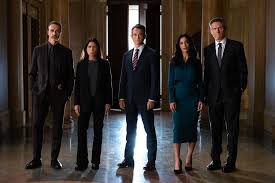
If you’ve ever found yourself glued to the TV late at night, hearing that iconic “dun-dun,” you know exactly what kind of hold the Law & Order universe has on its audience. It’s more than just a procedural drama; it’s a cultural touchstone that has spanned decades, generations, and countless spin-offs. For many of us, these characters feel like old friends, and the streets of New York they patrol feel strangely familiar, even if we’ve never set foot in the city.
Staying updated on the latest developments in this massive franchise can feel like a full-time job. With multiple shows currently on air and casting shake-ups happening regularly, there is always something new to discuss.
Whether you are a die-hard fan who has been watching since the 90s or someone who just discovered the thrill of the courtroom drama, keeping up with the latest news is part of the fun.
Let’s look at the latest updates, casting news, and behind-the-scenes insights that are keeping the Law & Order universe buzzing.
The Magic of Filming in New York City
One of the most enduring elements of the franchise is its setting. New York City isn’t just a backdrop; it’s a character in its own right. The hustle, the grit, the distinctive architecture—it all grounds the show in a reality that few other dramas can replicate. This authenticity is something the actors feel deeply, too.
Recent cast addition Maura Tierney, joining as Lieutenant Jessica Brady, has spoken about the unique energy of shooting on location. But it was fellow newcomer O.T. Fagbenle, who plays a defense attorney, who summed it up best in a recent interview with NBC Insider.
“There is something very, very special about being part of this franchise,” Fagbenle, who plays the charismatic prosecutor-turned-defense attorney, shared. “Because when you’re out in New York City, and you’re shooting scenes, people recognize it, you know? They recognize the show, they recognize the actors, and it means a lot to them, and they like to take photos and videos. And to be part of something that is so well-loved is very special.”
This connection between the show and the public is rare. It speaks to how deeply embedded the series is in the cultural fabric. When New Yorkers see the film crews, it’s not just an annoyance blocking traffic; it’s a sign that Law & Order is still on the beat.
Casting Shake-Ups: Who’s In and Who’s Out?
Stability is rare in long-running procedurals, and Law & Order is no stranger to the revolving door of detectives and district attorneys. The latest seasons have seen some significant changes that have shaken up the dynamic of the squad room and the courtroom.
Farewell to Camryn Manheim
A major departure that hit fans hard was Camryn Manheim leaving the role of Lieutenant Kate Dixon. Manheim brought a steady, authoritative presence to the precinct, balancing the often chaotic energy of her detectives. Her exit marks the end of an era for the current revival squad, leaving big shoes to fill.
The writers have had to pivot, introducing new leadership dynamics that change how cases are approached from the top down.
Enter Maura Tierney
Stepping into the void left by Manheim is the talented Maura Tierney. Known for her powerful performances in ER and The Affair, Tierney brings a different flavor to the Lieutenant role. Her character, Jessica Brady, is described as being more enigmatic, perhaps less by-the-book than Dixon, which inevitably leads to friction with the detectives.
This kind of internal conflict is often where Law & Order thrives—it’s not just about catching the bad guy, but about the philosophical disagreements on how justice should be served.
Tony Goldwyn Takes the Lead
Another significant shift has been Tony Goldwyn settling into his role as District Attorney Nicholas Baxter. Taking over from the legendary Sam Waterston (Jack McCoy) was never going to be an easy task. Waterston was the face of the show for nearly two decades.
However, Goldwyn has brought political savvy and a different kind of intensity to the DA’s office. His character is more entangled in the optics of justice, reflecting the modern complexities of the legal system, where public perception is often as important as the verdict itself.
The Evolution of the “Rip from the Headlines” Approach
Since its inception, Law & Order has been famous for stories “ripped from the headlines.” This narrative strategy allows the show to remain relevant, tackling social issues and crimes that are currently dominating the news cycle. However, the way the writers approach this has evolved.
In the early days, the parallels were often direct and immediate. Today, the show tends to take a more nuanced approach. Instead of just retelling a news story with names changed, the writers use current events as a jumping-off point to explore the gray areas of the law.
For instance, recent episodes have delved heavily into the intersection of technology and crime. We are seeing more cases involving AI, deepfakes, and digital surveillance. This reflects the changing landscape of criminal activity in the real world. The legal arguments in the second half of the episodes are becoming more complex as the law struggles to catch up with technology.
Furthermore, the show hasn’t shied away from the tense political climate. Storylines involving police accountability, protest rights, and the ethics of prosecution are front and center. This keeps the show from feeling like a relic of the past; it actively engages with the conversations happening in living rooms across America today.
Crossovers: The Unified Universe
One of the most exciting aspects for fans is the potential for crossovers. With Law & Order, Law & Order: SVU, and Law & Order: Organized Crime all operating within the same universe (and often on the same night), the opportunities for characters to interact are endless.
While massive three-way crossover events are logistical nightmares to film and schedule, the showrunners have been leaning into smaller, more organic crossovers. You might see a detective from the 2-7 precinct pop up in an SVU investigation, or Olivia Benson appearing to offer advice on a particularly sensitive case.
These moments reward long-time viewers. They reinforce the idea that this is a cohesive world. Seeing Mariska Hargitay (Benson) share a scene with Mehcad Brooks (Jalen Shaw) connects the legacy of the franchise with its future. It also allows for character development that spans across shows, giving us a fuller picture of their lives.
Why We Keep Watching
After hundreds of episodes, why do we still tune in? The formula is simple: a cold open, a crime, an investigation, an arrest, and a trial. It’s comforting in its predictability. But beyond the structure, it’s the moral ambiguity that keeps us hooked.
Law & Order rarely gives us easy answers. The “good guys” don’t always win. Sometimes the law fails. Sometimes the evidence isn’t enough. Sometimes the moral choice is illegal, and the legal choice is immoral.
This complexity invites the audience to participate.
We sit on our couches and debate the verdict. We judge the decisions made by the detectives. We question the strategies of the ADAs. In a world that often feels chaotic and nonsensical, Law & Order offers a space to process difficult questions about justice, morality, and human nature within the safety of a 42-minute episode.
Looking Ahead
As the franchise moves forward, it faces the challenge of staying fresh while honoring its legacy. The integration of new cast members like Maura Tierney and O.T. Fagbenle brings new energy, while the continued presence of veterans anchors the show.
The writers seem committed to pushing the envelope, tackling uncomfortable subjects, and refusing to let the characters get too comfortable. With renewed seasons and a fanbase that spans the globe, the “dun-dun” isn’t going silent anytime soon.
So, whether you’re watching for the legal maneuvering, the police procedural aspects, or to see New York City in all its glory, there is no denying that Law & Order remains a titan of television.
