
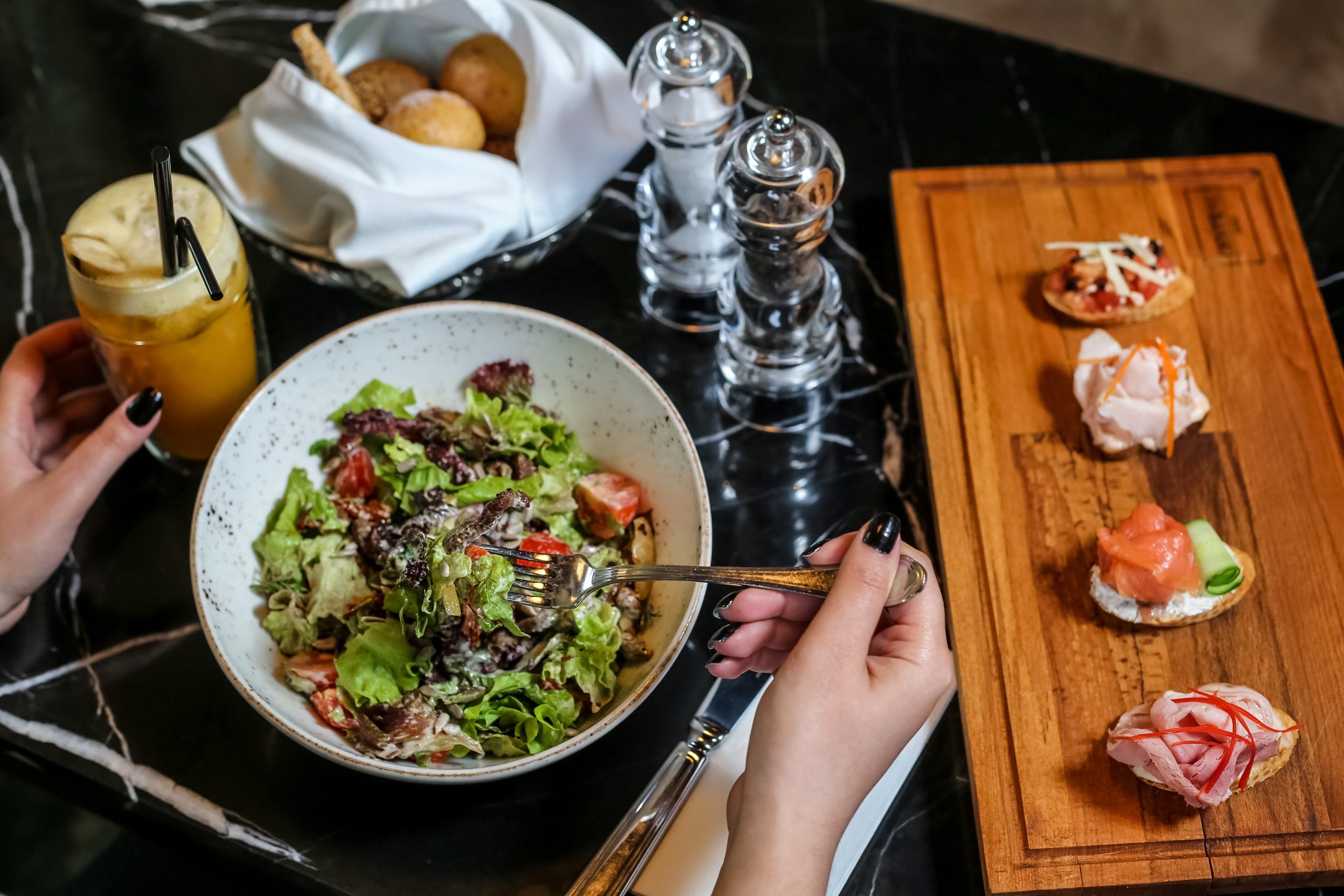
Close your eyes and picture a table set overlooking a turquoise sea. The air smells of salt and wild oregano. On the table sits a spread of vibrant dishes: a bowl of ruby-red tomatoes glistening with oil, a platter of grilled fish caught that morning, and a crusty loaf of bread waiting to be dipped into a golden pool of olive oil.
This isn’t just a daydream—it’s the daily reality of the Mediterranean diet. But calling it a “diet” feels like a disservice. It is less about restriction and more about celebration.
It celebrates ingredients grown in the sun, harvested at their peak, and prepared with a respect for tradition that spans centuries.
For home cooks, the appeal is obvious. The recipes are rarely complicated. They don’t require fancy equipment or hours of French technique.
Instead, they rely on a simple principle: if you start with good ingredients, you don’t need to do much to make them taste amazing.
Whether you are looking to overhaul your eating habits for health reasons or want to bring more joy to your dinner table, mastering a few key Mediterranean dishes is the perfect place to start.
In this guide, we will explore the pillars of this beloved cuisine, focusing on crisp salads, fresh seafood, and the liquid gold that ties it all together: olive oil.
The Philosophy on the Plate: Simplicity Rules
Before we fire up the grill or chop a single cucumber, it is important to understand the mindset behind Mediterranean cooking.
In many Western kitchens, we tend to overcomplicate things. We add heavy sauces, use too many spices, or overcook our vegetables.
The Mediterranean approach is different. It asks you to step back and let the food speak for itself. A tomato in August doesn’t need much help—maybe just a pinch of sea salt to wake it up.
A fresh fish doesn’t need a heavy batter; it needs high heat, lemon, and maybe a sprig of thyme.
This philosophy makes cooking less stressful. It frees you from the tyranny of complex recipes and allows you to cook by intuition.
Once you understand the flavor profiles—acid from lemons and vinegar, fat from olive oil and nuts, brightness from fresh herbs—you can improvise endless meals without ever opening a cookbook.
Mediterranean Salads: A Symphony of Crunch and Color
Mediterranean salads are a celebration of color, freshness, and unfussy flavor. With just a handful of high-quality ingredients—think juicy tomatoes, crisp cucumbers, briny olives, and golden olive oil—these dishes capture the essence of coastal living in every bite.
Whether served as a light main or a vibrant side, each salad brings a taste of the Mediterranean sun straight to your table.
The Classic Greek Salad (Horiatiki)
If there is one dish that defines the region, it might be the Horiatiki. But beware of impostors. A true Greek salad contains no lettuce. It is a rustic, chunky mix of tomatoes, cucumbers, red onion, Kalamata olives, and green bell peppers.
The key is the cheese. Instead of crumbled feta, a traditional Horiatiki is topped with a large, solid block of feta cheese, dusted with dried oregano. This preserves the moisture of the cheese until the very moment you break into it with your fork.
Pro tip: Don’t skimp on the oil. The juices from the tomatoes mix with the olive oil and feta crumbs to create a delicious liquid at the bottom of the bowl, known as papara. You will want plenty of bread to soak this up.
Panzanella: The Art of Stale Bread
Waste is a cardinal sin in Mediterranean kitchens, which gave birth to the Tuscan masterpiece known as Panzanella. This salad was invented as a way to use up stale bread.
Chunks of dried, hearty bread are tossed with tomatoes, onions, basil, and a vinegar-based dressing. The magic happens when you let it sit.
The bread acts like a sponge, soaking up the tomato juices and dressing until it becomes chewy and flavorful, but not mushy. It is a texture lover’s dream and perfect for hot summer days when you don’t want to turn on the stove.
Tabbouleh: An Herb-Forward Feast
Moving toward the Eastern Mediterranean, we find Tabbouleh. In many Western supermarkets, Tabbouleh is sold as a grain salad—mostly bulgur wheat with a few flecks of green. This is backward.
Authentic Tabbouleh is an herb salad. The main ingredients are parsley and mint, chopped very finely. The bulgur is a supporting character, providing a little texture.
Dressed with plenty of lemon juice and olive oil, it is intensely refreshing and acts as a perfect palate cleanser alongside richer meat dishes.
Fresh from the Sea: Seafood Done Right
With thousands of miles of coastline, it is no surprise that seafood is the primary protein source for much of the Mediterranean. The variety is staggering, from the sardines of Portugal to the octopus of Greece.
The Whole Fish Technique
Many home cooks are intimidated by cooking whole fish, but it is the standard preparation in the Mediterranean. Cooking fish on the bone keeps the meat moist and imparts flavor that fillets simply can’t match.
The method is incredibly simple:
- Score the skin: Make a few slashes in the side of the fish to help it cook evenly.
- Stuff the cavity: Fill the belly with lemon slices, garlic cloves, and fresh herbs like rosemary or fennel fronds.
- Grill or Roast: Cook over high heat until the skin is blistered, and the eyes turn white.
- Finish: Drizzle with raw olive oil and fresh lemon juice immediately before serving.
Seafood Stews and Soups
Not all seafood is grilled. Fishermen have long made stews to use up the “catch of the day”—often the smaller or less pretty fish that couldn’t be sold at market.
Dishes like French Bouillabaisse or Italian Cioppino are rich, tomato-based stews that layer flavors deeply.
They usually start with a “sofrito”—a sautéed base of onions, garlic, celery, and carrots—followed by tomatoes, wine, and fish stock.
The seafood is added in stages, with firm fish going in first and delicate shellfish like clams or shrimp added just minutes before serving.
The Power of Preserved Fish
Fresh seafood is a luxury, but preserved seafood is a pantry staple. Anchovies, sardines, and tuna packed in oil are flavor bombs waiting to be used.
- Anchovies: Melt a few fillets into hot oil at the start of a pasta sauce. They will dissolve completely, leaving behind a savory, umami depth that doesn’t taste “fishy.”
- Canned Tuna: High-quality tuna packed in olive oil is the star of the Salade Niçoise. It’s hearty enough to be a main course and requires zero cooking.
- Liquid Gold: The Role of Olives and Olive Oil
You cannot talk about this region without talking about the olive tree. It is the symbol of peace, wisdom, and arguably the most important ingredient in the kitchen.
Cooking with Olive Oil vs. Finishing with It
Not all olive oils are created equal, and knowing when to use which is crucial.
- For Cooking: Use a standard “pure” or “virgin” olive oil for sautéing and roasting. It has a higher smoke point and a milder flavor that won’t be destroyed by heat.
- For Finishing: This is where you use your expensive “Extra Virgin” olive oil (EVOO). Drizzle it over soups, grilled vegetables, salads, and even vanilla ice cream. Since it isn’t heated, you get the full complexity of the grassy, peppery notes.
Beyond the Oil: Cooking with Olives
Whole olives add bursts of briny intensity to cooked dishes.
- Chicken Marbella: A famous dish featuring chicken baked with prunes, olives, and capers. The sweetness of the dried fruit balances perfectly with the saltiness of the olives.
- Tapenade: A thick paste made from black olives, capers, anchovies, and olive oil. Spread it on toast, swirl it into pasta, or use it as a stuffing for chicken breasts.
- Puttanesca Sauce: A quick pasta sauce made from tomatoes, black olives, capers, and garlic. It’s pungent, salty, and incredibly satisfying.
5 Essential Ingredients for Your Mediterranean Pantry
If you want to cook this way spontaneously, you need a pantry that supports you. Stock these five items, and a healthy, flavorful meal is never far away.
1. Capers
These little flower buds pack a punch. They are pickled in vinegar or packed in salt. They add a sharp, acidic kick to fish dishes and tomato sauces. Rinse them before using if you are watching your sodium intake.
2. Artichoke Hearts
Fresh artichokes are a labor of love to prepare. Marinated or canned artichoke hearts are a convenient shortcut. Toss them into salads, bake them onto pizzas, or blend them into a creamy dip with spinach and yogurt.
3. Roasted Red Peppers
Jarred roasted peppers are sweet, smoky, and tender. They are essential for making Romesco sauce (a blend of peppers and nuts) or can be layered onto sandwiches.
4. Dried Oregano
While fresh herbs are usually preferred, oregano is the exception. The dried version has a concentrated, earthy flavor that defines Greek and Italian cooking. It stands up well to long cooking times in stews and roasts.
5. Legumes (Chickpeas and Lentils)
Meat is often treated as a garnish rather than the main event in the Mediterranean diet. Legumes provide the bulk and protein.
Canned chickpeas can be roasted until crispy for a salad topper or stewed with tomatoes and spinach for a hearty meal.
Frequently Asked Questions
Is the Mediterranean diet expensive to follow?
It doesn’t have to be. While fresh seafood and high-end olive oil can be pricey, the foundation of the diet consists of affordable ingredients like beans, lentils, seasonal vegetables, and grains. Using meat sparingly also helps keep grocery bills down.
Can I follow these recipes if I am gluten-free?
Absolutely. Many Mediterranean dishes are naturally gluten-free. Focus on potato-based sides, rice dishes like risotto or paella, and plenty of salads.
For dishes like Panzanella, you can successfully swap in high-quality gluten-free bread.
How do I choose a good olive oil?
Look for dark glass bottles or tins, which protect the oil from light. Check the harvest date—unlike wine, olive oil does not improve with age.
You want to consume it within 18 months of harvest. Finally, look for “Extra Virgin” on the label, which ensures the oil was extracted mechanically without chemicals.
Bringing the Lifestyle Home
Adopting a Mediterranean approach to cooking is one of the kindest things you can do for your body and your taste buds.
It resets your palate, training you to appreciate the natural sweetness of a roasted carrot or the subtle brininess of a fresh shrimp.
Start small. This week, try swapping your usual heavy dressing for a simple lemon-olive oil vinaigrette. Next week, try grilling a whole fish instead of breading fillets. Invite friends over, open a bottle of wine, and let the meal stretch out over a few hours.
The food is delicious, yes. But the true secret of the Mediterranean diet isn’t just what is on the plate—it is the time taken to enjoy it.
