
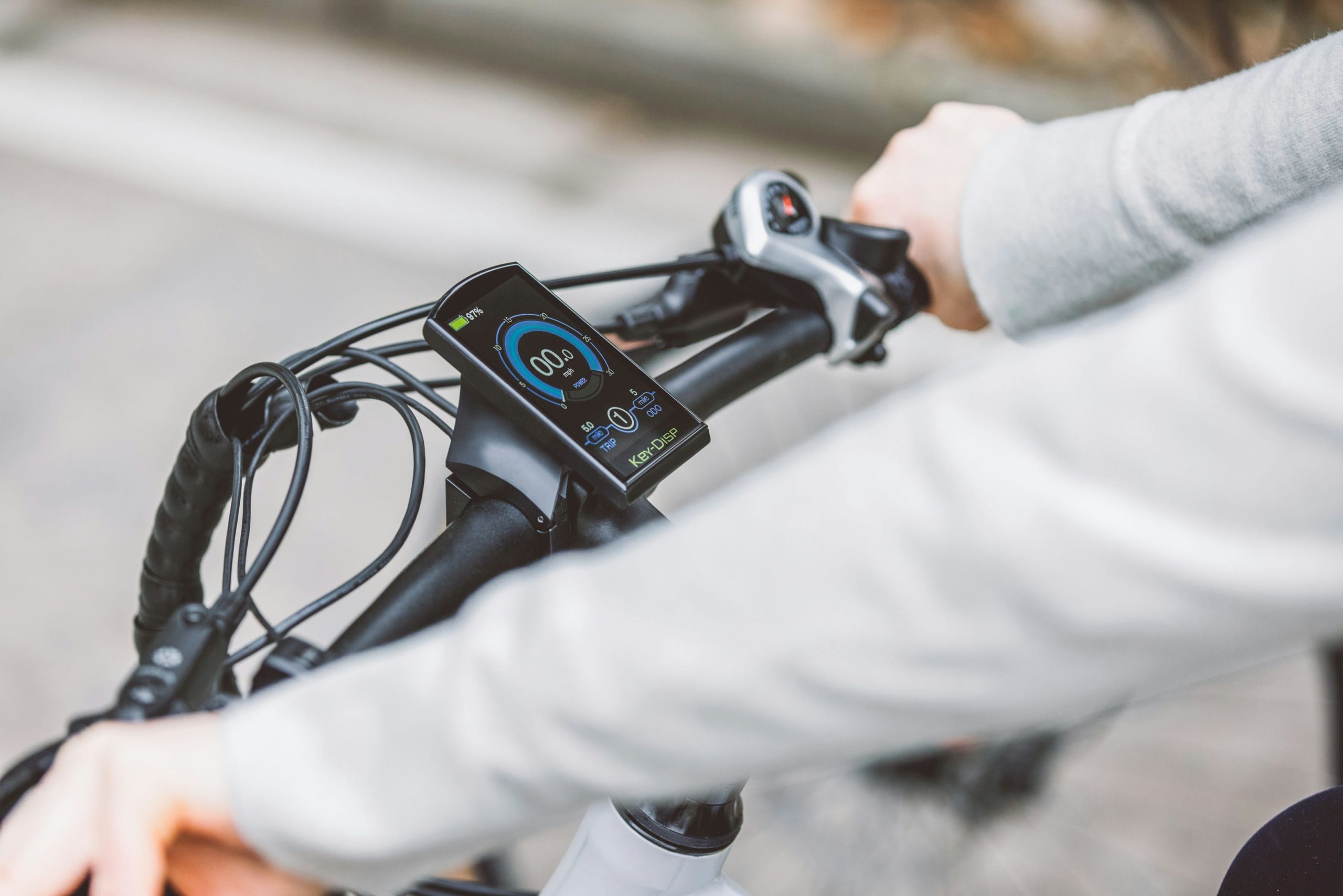
When you think of electric bikes, your mind probably jumps to one word: battery. And that’s fair. The battery is what separates a truly capable electric ride from just another bicycle. It’s your fuel tank, power source, long-ride buddy, and the difference between loving your EV or regretting it. So, let’s talk about the real engine behind electric 2-wheelers, battery technology, and how it’s evolving to make your ride smoother, smarter, and firmer.
While a sleek frame and a powerful motor might grab the headlines, the battery pack is the unsung hero that dictates your range, speed, and overall riding experience. It is the heart of the system, pumping energy to the motor and display, ensuring you get from point A to point B without breaking a sweat—unless you want to.
For parents considering an e-bike for their teenager’s commute to school, or working professionals looking for a reliable way to navigate the city, understanding the nuances of battery technology is crucial. It’s not just about how far it can go; it’s about safety, longevity, and how it fits into a busy lifestyle. Just as a structured environment shapes a student’s future, the right battery architecture shapes the future of your ride.
In this deep dive, we will explore the chemistry, capacity, and charging innovations that are driving the e-bike revolution. We will look past the jargon to help you understand what really matters when choosing a vehicle that is future-ready.
The Chemistry Class: What’s Inside the Box?
To understand how your e-bike performs, you first need to understand what powers it. Most modern electric bikes rely on Lithium-Ion (Li-ion) technology, but not all Li-ion batteries are created equal. This is where the science gets interesting and directly impacts your daily ride.
The Dominance of Lithium-Ion
Gone are the days of heavy, inefficient Lead-Acid batteries. Lithium-ion has become the standard because of its high energy density. This means it can store a lot of energy in a relatively small and lightweight package. For a vehicle that relies on balance and handling, keeping weight down is essential.
Li-ion batteries also have a low self-discharge rate. If you park your bike for a week during exams or a family vacation, the battery won’t drain significantly on its own. They also lack the “memory effect” found in older battery types, meaning you don’t have to fully drain the battery before charging it again. You can top it up whenever it’s convenient.
Exploring the Sub-Chemistries
Within the Lithium-Ion family, there are specific chemical compositions tailored for different needs:
- NMC (Nickel Manganese Cobalt): This is the most common type found in e-bikes today. It offers a great balance of energy density (range) and power delivery (acceleration). It’s like the all-rounder student who excels in both academics and sports.
- LFP (Lithium Iron Phosphate): Gaining popularity for its safety and longevity. LFP batteries are incredibly stable and less prone to overheating. While they are slightly heavier and less energy-dense than NMC, they can withstand many more charge cycles—often lasting years longer.
- Li-Po (Lithium Polymer): These allow for flexible shapes and are very lightweight, often used in sleek, stealthy e-bikes where design is paramount. However, they can be more delicate and require careful manufacturing.
Choosing the right chemistry depends on your priorities. If maximum range in a light package is your goal, NMC is likely the winner. If safety and a battery that lasts for thousands of cycles are your priority, LFP is a strong contender.
Decoding Capacity: Volts, Amps, and Watt-Hours
When shopping for an e-bike, you’ll see a lot of numbers thrown around. It can feel like a math test you didn’t study for. But once you know the formula, it’s simple to compare different models.
Voltage (V) = Horsepower
Think of voltage as the pressure pushing electricity through the system. Higher voltage generally means more power and speed.
- 36V: Common for entry-level bikes and city commuters. Good for flat terrain.
- 48V: The current standard for most capable e-bikes. Provides better hill-climbing ability and acceleration.
- 52V and above: High-performance territory. These bikes offer zippy acceleration and are built for enthusiasts.
Amp-Hours (Ah) = Gas Tank Size
Amp-hours measure how much energy the battery can hold. A battery with more Ah can deliver a specific current for a longer time.
- 10Ah: Suitable for short, local trips.
- 15Ah – 20Ah: Great for longer commutes and fewer charging stops.
- 25Ah+: Long-range touring capability.
Watt-Hours (Wh) = The Total Picture
This is the most important number for comparing ranges. You calculate it by multiplying Volts by Amp-Hours (V x Ah = Wh).
- A 48V 14Ah battery has a capacity of 672Wh.
- A 36V 18Ah battery has a capacity of 648Wh.
Even though the second battery has more Amp-Hours, the first battery actually has more total energy. A higher Wh rating means you can ride further or use higher power settings for longer. For a student commuting daily or an active professional exploring on weekends, aiming for at least 500Wh to 700Wh provides a comfortable buffer against “range anxiety.”
The Lifespan: Cycles and Degradation
One of the most common questions regarding e-bikes is: “How long will the battery last?” This doesn’t refer to a single ride, but the total lifespan of the component before it needs replacement.
Batteries are rated in “charge cycles.” One cycle is defined as using 100% of the battery’s capacity. This doesn’t have to be in one go. If you use 50% one day, charge it, and use 50% the next day, that counts as one cycle.
- Standard Li-ion (NMC): Typically rated for 500 to 800 cycles. After this point, the battery doesn’t die; it just holds less charge (usually around 80% of its original capacity).
- LFP Batteries: Can often handle 2,000 to 3,000 cycles while retaining 80% capacity. This is a massive difference in long-term ownership costs.
Preserving Your Battery Health
Just as we nurture potential in students, we must care for our technology to get the best out of it. Here are simple habits to extend battery life:
- Don’t stay at 0% or 100%: Batteries are happiest between 20% and 80%. Storing a battery fully charged or fully dead for long periods stresses the cells.
- Temperature matters: Extreme heat and extreme cold are enemies of Li-ion chemistry. Store your bike (or removable battery) in a room-temperature environment.
- Use the right charger: Always use the charger provided by the manufacturer. Cheap, generic chargers can damage the Battery Management System (BMS).
The Brains of the Operation: The Battery Management System (BMS)
You might think the battery is just a brick of chemicals, but inside, there is a sophisticated computer called the Battery Management System (BMS). This is the “principal” of the battery school—keeping everyone in line and ensuring safety.
The BMS constantly monitors the individual cells within the pack. Its responsibilities include:
- Balancing: Ensuring all cells charge and discharge at the same rate. If one group of cells works harder than the others, the battery fails prematurely.
- Overcharge Protection: Stops the current when the battery is full to prevent overheating or fire risks.
Over-discharge Protection: Cuts power before the battery drains to a dangerous level that could chemically damage the cells. - Temperature Monitoring: Shuts down the battery if it gets too hot during a ride or charging.
A high-quality BMS is essential for a safe environment. When you see cheap, unbranded batteries online, they often skimp on the BMS quality, which is a significant safety risk. Always prioritise reputable brands that invest in robust management systems.
Charging Ahead: Speed and Convenience
Waiting for a charge is the modern equivalent of watching paint dry. Fortunately, charging technology is evolving to keep up with our fast-paced lives.
Standard vs. Fast Charging
Most e-bikes come with a standard 2-Amp or 3-Amp charger.
- Standard Charging: A typical 500Wh battery might take 4-6 hours to charge from empty. This is fine for overnight charging or plugging in during a workday.
However, a word of caution: constantly fast-charging produces more heat and can degrade the battery cells faster over time. It’s best used sparingly when you really need to get back on the road quickly.
Smart Chargers
The latest innovation is smart charging. These chargers communicate with the BMS to optimise the charging profile. They might charge fast up to 80% and then slow down (trickle charge) for the final 20% to reduce heat and stress. Some even have a “storage mode” that charges the battery to the optimal level for long-term storage (around 60%).
Removable vs. Integrated
For many riders, especially those in apartments or dorms without garage access, a removable battery is a non-negotiable feature.
- Removable: You unlock the battery, slide it out, and take it inside to charge at your desk or in your living room. It adds a layer of security (thieves can’t ride off with power) and convenience.
- Integrated: The battery is hidden inside the frame. This looks cleaner and protects the battery from the elements, but you must bring the entire bike near an outlet to charge.
The Future is Solid: Emerging Technologies
The tech world never stands still. Just as education evolves to become more hands-on and interactive, battery tech is moving toward safer, denser solutions.
Solid-State Batteries
This is the “holy grail” of battery tech. Current Li-ion batteries use a liquid electrolyte to move energy. Solid-state batteries replace this with a solid material.
- Safety: They are virtually non-flammable.
- Density: They can store much more energy in the same space (potentially double the range).
- Charging: They can handle ultra-fast charging without degrading.
While still in the development phase and currently expensive, solid-state batteries are expected to trickle down from electric cars to e-bikes in the coming years, promising a future-ready ride that is safer and more powerful than ever.
Graphene Technology
Graphene is a wonder material—incredibly strong and conductive. Adding graphene to batteries can help them dissipate heat much better and accept a charge much faster. Some manufacturers are already experimenting with graphene-enhanced batteries to improve thermal management and cycle life.
Why This Matters for the Rider
Understanding battery technology isn’t just for engineers; it’s for anyone who wants to make a smart investment. Whether you are a parent buying a bike for your child to navigate a large campus or a professional commuting to the city, the battery dictates the reliability of that experience.
A good battery system offers freedom. It removes the anxiety of “will I make it back?” It ensures that the bike is ready when you are. It provides the consistent power needed to tackle hills and headwinds, empowering you to go further.
Furthermore, safety is paramount. High-quality cells and a robust BMS ensure that the device you store in your home or garage is safe. In a market flooded with cheap options, understanding the value of certification (like UL certification) and quality chemistry is a vital part of protecting your family and your investment.
Powering Your Next Adventure
The electric bike revolution is here, and it is powered by chemistry and code. From the stability of LFP cells to the intelligence of modern Battery Management Systems, the technology is advancing to create safer rides, longer-lasting, and more reliable.
When you choose an e-bike, look beyond the paint job. Ask about the Watt-Hours. Check the charger type. Inquire about the battery certification. By prioritising these elements, you ensure that your vehicle is not just a toy but a dependable tool for holistic growth and exploration.
Ready to find a ride that matches your ambition? Don’t settle for outdated tech. Look for the specs that matter and empower your journey with the energy it deserves.
