
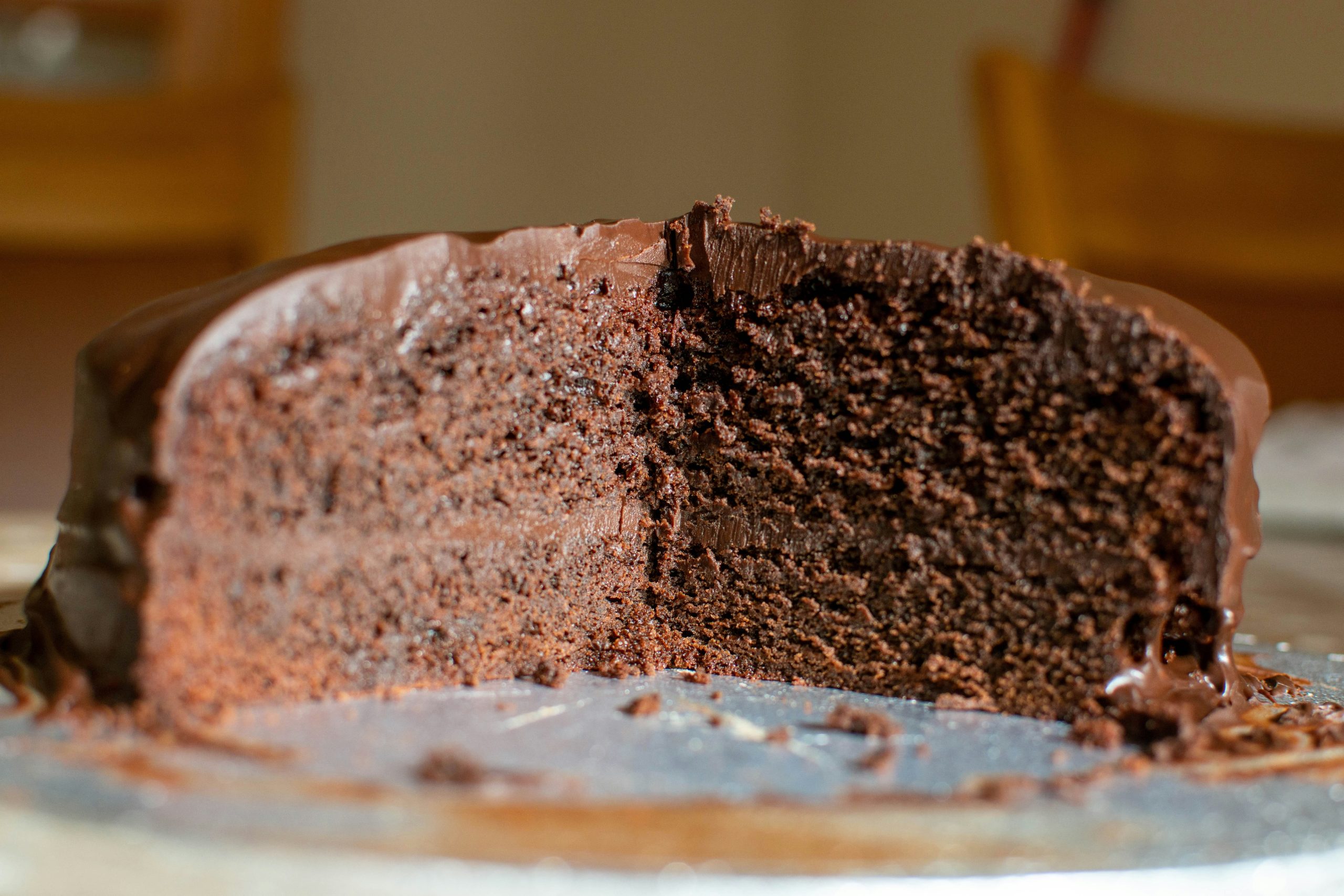
If you’ve been searching for a dessert that feels like a warm hug on a cold day, you’ve found it. There is something universally comforting about chocolate cake, but this recipe takes that comfort to an entirely new level.
Forget dry, crumbly gluten-free experiments that leave you reaching for a glass of water. This gluten-free, flourless chocolate cake is the definition of decadence. It is a rich, dense chocolate cake topped with clouds of fluffy vanilla whipped cream. The top of the cake develops a delicate, almost brownie-like crust that cracks satisfyingly under your fork, revealing an interior that is super moist and fudgy.
Whether you are hosting a dinner party, celebrating a birthday, or simply treating your family to a weekend surprise, this cake is guaranteed to impress. It’s elegant enough for special occasions but simple enough to whip up whenever the craving strikes. Let’s explore why this recipe works, the science behind flourless baking, and how you can achieve bakery-quality results right in your own kitchen.
Why You’ll Fall in Love with This Recipe
Baking without gluten can sometimes feel like a compromise. You often trade texture for dietary needs, resulting in baked goods that are either too dense or strangely gummy. But flourless chocolate cake is the exception to the rule. In fact, removing the flour isn’t a compromise here—it’s an upgrade.
Without the starch and gluten found in traditional flour, chocolate takes center stage. There are no competing flavors or fillers to dilute the richness of the cocoa and chocolate. The result is an intense, pure chocolate experience that is more like a baked truffle than a standard sponge cake.
A Texture Like No Other
The texture is the real star of the show. Because there is no flour to provide structure, the cake relies on eggs and fat (butter and chocolate) for stability. This creates a dessert that is dense and creamy, similar to a cheesecake or a mousse, but with the satisfying chew of a brownie. The “crust” that forms on top adds a delightful textural contrast to the smooth, fudgy interior.
Perfect for Every Occasion
This cake is incredibly versatile. Serve it slightly warm with a scoop of vanilla ice cream for a cozy winter dessert, or chill it and serve with fresh berries and whipped cream for a refreshing summer treat. It’s naturally gluten-free, making it a safe and delicious option for guests with celiac disease or gluten sensitivity, without requiring you to buy expensive specialty flours.
The Ingredients: Simplicity at Its Best
One of the beautiful things about flourless chocolate cake is its simplicity. You don’t need a pantry full of xanthan gum, almond flour, or tapioca starch. The ingredient list is short, sweet, and likely already in your kitchen.
High-Quality Chocolate
Since chocolate is the primary flavor, quality matters; use a high-quality semi-sweet or bittersweet chocolate (around 60-70% cocoa solids). Avoid using chocolate chips if possible, as they contain stabilizers that prevent them from melting smoothly. Instead, opt for baking bars or couverture chocolate. The depth of flavor in the chocolate will directly translate to the finished cake.
Unsalted Butter
Butter provides richness and moisture. Using unsalted butter allows you to control the salt content of the cake. If you only have salted butter, omit the additional pinch of salt in the recipe.
Sugar
Granulated sugar adds sweetness and helps create that signature crackly top. It also plays a role in the structure of the whipped egg whites or whole eggs, depending on the method used.
Eggs
Eggs are the workhorse of this recipe. They provide the structure that flour usually would. Some recipes call for separating the eggs and whipping the whites to add air, while others whip whole eggs with sugar to create a ribbon-like consistency. Both methods work to leaven the cake without chemical agents like baking powder.
Cocoa Powder
A touch of Dutch-processed cocoa powder intensifies the chocolate flavor and gives the cake a deep, dark color.
Vanilla Extract and Espresso Powder
Vanilla extract enhances the chocolate flavor, adding a floral, aromatic note. A teaspoon of instant espresso powder or strong coffee won’t make the cake taste like coffee; instead, it deepens the chocolate profile, making it taste more “chocolatey.”
Step-by-Step Guide to Baking Success
Making a flourless chocolate cake is less intimidating than it sounds. Here is a walkthrough of the process to ensure you get perfect results every time.
1. Preparation is Key
Start by preheating your oven. A steady temperature is crucial for even baking. Grease a springform pan generously with butter and line the bottom with parchment paper. This ensures that your delicate cake won’t stick and makes removal a breeze. Wrap the outside of the pan with foil if you are worried about leaks, although a good springform pan should hold the batter well.
2. Melting the Chocolate and Butter
Chop your chocolate into even pieces to ensure it melts uniformly. Combine the chocolate and butter in a heatproof bowl set over a pot of simmering water (a double boiler). Stir gently until smooth and glossy. Be careful not to let any water get into the chocolate, as it can cause it to seize and become grainy. Once melted, remove from the heat and let it cool slightly. You don’t want to scramble the eggs when you combine them!
3. Mixing the Batter
In a separate bowl, whisk your eggs and sugar. Depending on the specific variation of the recipe, you should whip them until pale and thick. This incorporates air, which helps the cake rise and prevents it from being too dense.
Slowly fold the cooled chocolate mixture into the egg mixture. This is a gentle process—you want to keep as much of that incorporated air as possible. Add the vanilla, espresso powder, and cocoa powder at this stage, folding until just combined and no streaks remain.
4. The Bake
Pour the batter into your prepared pan and smooth the top. Bake until the cake is set, but the center still has a slight wobble. A toothpick inserted into the center should come out with moist crumbs attached, not wet batter.
Overbaking is the enemy of a fudgy flourless cake. If you bake it too long, it will become dry and crumbly. Remember, the cake will continue to set as it cools, so pulling it out when it seems slightly underdone is actually perfect.
5. The Cooling Phase
This is the hardest part: waiting. Let the cake cool completely in the pan on a wire rack. As it cools, the center will sink slightly—this is normal and creates a perfect crater for your whipped cream topping!
Topping It Off: The Perfect Vanilla Whipped Cream
While the cake is delicious on its own, the vanilla whipped cream takes it from great to extraordinary. The light, airy cream cuts through the richness of the chocolate, providing balance in every bite.
Making Homemade Whipped Cream
Skip the store-bought tub and make your own. It takes less than five minutes, and the difference in taste is undeniable.
- Chill your tools: Place your mixing bowl and whisk attachment in the freezer for 10-15 minutes before starting. Cold cream whips up faster and fluffier.
- Whip to peaks: Pour heavy whipping cream, a dash of vanilla extract, and a sprinkle of powdered sugar into the cold bowl. Beat on medium-high speed until soft or stiff peaks form, depending on your preference. Be careful not to overbeat, or you’ll end up with sweet butter!
- Top the cake: Pile the whipped cream onto the cooled cake. You can spread it evenly or leave it in rustic, billowy mounds.
Troubleshooting Common Issues
Even the best bakers run into trouble sometimes. Here are a few common issues and how to fix or prevent them.
The Cake Cracked on Top
Good news: This is actually desirable! That crackly, brownie-like top is a signature of a good flourless chocolate cake. It adds texture and character. Cover it with whipped cream if you prefer a smooth look, but many people love the rustic appearance.
The Cake is Too Dry
This usually means it was baked for too long. Check the cake 5-10 minutes before the recipe says it should be done. All ovens are different, and yours might run hot.
The Cake is Hard to Remove from the Pan
Always run a thin knife or offset spatula around the edge of the cake before releasing the springform latch. This loosens any stuck bits and prevents the sides from tearing. And don’t forget that parchment paper on the bottom!
The Texture is Grainy
This could be from seizing chocolate (water getting into the melting bowl) or undissolved sugar. Make sure your sugar is fully incorporated into the eggs, and be very careful when melting chocolate.
Serving and Storing
This cake is a showstopper, so presentation is fun. Dust the top of the whipped cream with cocoa powder, chocolate shavings, or fresh berries for a pop of color. Raspberries are a classic pairing because their tartness cuts through the sweet, rich chocolate.
Storage
Leftover cake creates a delicious problem to have.
- Refrigerator: Because of the eggs and dairy (especially the whipped cream topping), this cake should be stored in the refrigerator. Cover it loosely with plastic wrap or store it in an airtight container. It will keep well for up to 3-4 days.
- Freezer: You can freeze the cake without the whipped cream topping. Wrap individual slices or the whole cake tightly in plastic wrap, then foil. It can be frozen for up to 3 months. Thaw in the refrigerator overnight before serving and adding the fresh whipped cream.
Why Gluten-Free is Great for Everyone
You don’t have to follow a gluten-free diet to appreciate this dessert. Often, “gluten-free” is associated with dietary restrictions and health needs, but in the culinary world, it can also be a stylistic choice.
By removing flour, you are removing a flavor diluter. You are allowing the main ingredient—chocolate—to shine without interference. This recipe is a fantastic example of how dietary accommodations can lead to superior culinary results. It’s a crowd-pleaser that ensures no one at the table feels left out, while everyone enjoys a top-tier essert.
The History of Flourless Chocolate Cake
The flourless chocolate cake isn’t just a modern trend; it has roots in culinary history. While its exact origin is debated, it shares DNA with the Austrian Sachertorte and the French Gâteau au Chocolat.
During Passover, Jewish communities have long baked flourless cakes because consumption of leavened grains is forbidden. These recipes often used ground nuts (like almonds or walnuts) or relied on eggs for structure, much like this recipe.
In the restaurant world, the flourless chocolate cake saw a massive surge in popularity in the 1990s and early 2000s. It became a staple on dessert menus across America and Europe, often served with raspberry coulis. Its staying power is a testament to its incredible flavor and texture. It survived the trends to become a modern classic.
Variations to Try
Once you’ve mastered the basic recipe, feel free to experiment with flavors. The neutral base of chocolate allows for endless creativity.
- Orange Chocolate: Add the zest of one orange to the batter. Chocolate and orange are a timeless combination.
- Mint Chocolate: Add a few drops of peppermint extract to the batter or the whipped cream for a refreshing twist.
- Mexican Hot Chocolate: Add a pinch of cinnamon and a tiny dash of cayenne pepper to the batter for a cake with a warming kick.
- Nutty Delight: Fold in toasted chopped hazelnuts or pecans for added crunch.
- Boozy Kick: Add a tablespoon of Grand Marnier, dark rum, or Baileys Irish Cream to the batter for an adult version.
Frequently Asked Questions
Can I use milk chocolate instead of semi-sweet?
Technically, yes, but it is not recommended. Milk chocolate has a higher sugar and milk solid content, which can affect the texture and make the cake overly sweet. Semi-sweet or bittersweet chocolate provides the best balance and deep chocolate flavor.
Do I need a springform pan?
A springform pan is highly recommended because the cake is delicate and difficult to invert like a standard sponge cake. However, if you don’t have one, you can bake it in a regular round cake pan lined with parchment paper. Just be very careful when removing it, or serve it directly from the pan.
Can I make this dairy-free?
Yes! Substitute the butter with high-quality dairy-free margarine or coconut oil. For the whipped cream, use chilled coconut cream or a store-bought dairy-free whipped topping.
Why did my cake sink in the middle?
Sinking is normal for flourless cakes! As the air bubbles trapped in the egg foam cool, they contract, causing the center to dip. This creates a dense, fudgy texture and a perfect well for your toppings.
Is this recipe keto-friendly?
The standard recipe uses sugar, so it is not keto. However, you can substitute the sugar with a keto-friendly granulated sweetener like erythritol or monk fruit, and use sugar-free chocolate to make a low-carb version.
Conclusion
This gluten-free, flourless chocolate cake is more than just a dessert; it’s an experience. From the first crack of the crust to the meltingly smooth fudgy center, every bite is pure bliss. It challenges the notion that gluten-free baking is difficult or compromising, proving that sometimes, less truly is more.
So, gather your ingredients, preheat that oven, and prepare to fill your kitchen with the intoxicating aroma of baking chocolate. Whether you are an experienced baker or a complete novice, this recipe is forgiving, rewarding, and undeniably delicious. Treat yourself and your loved ones to a slice of chocolate heaven—you deserve it.
