
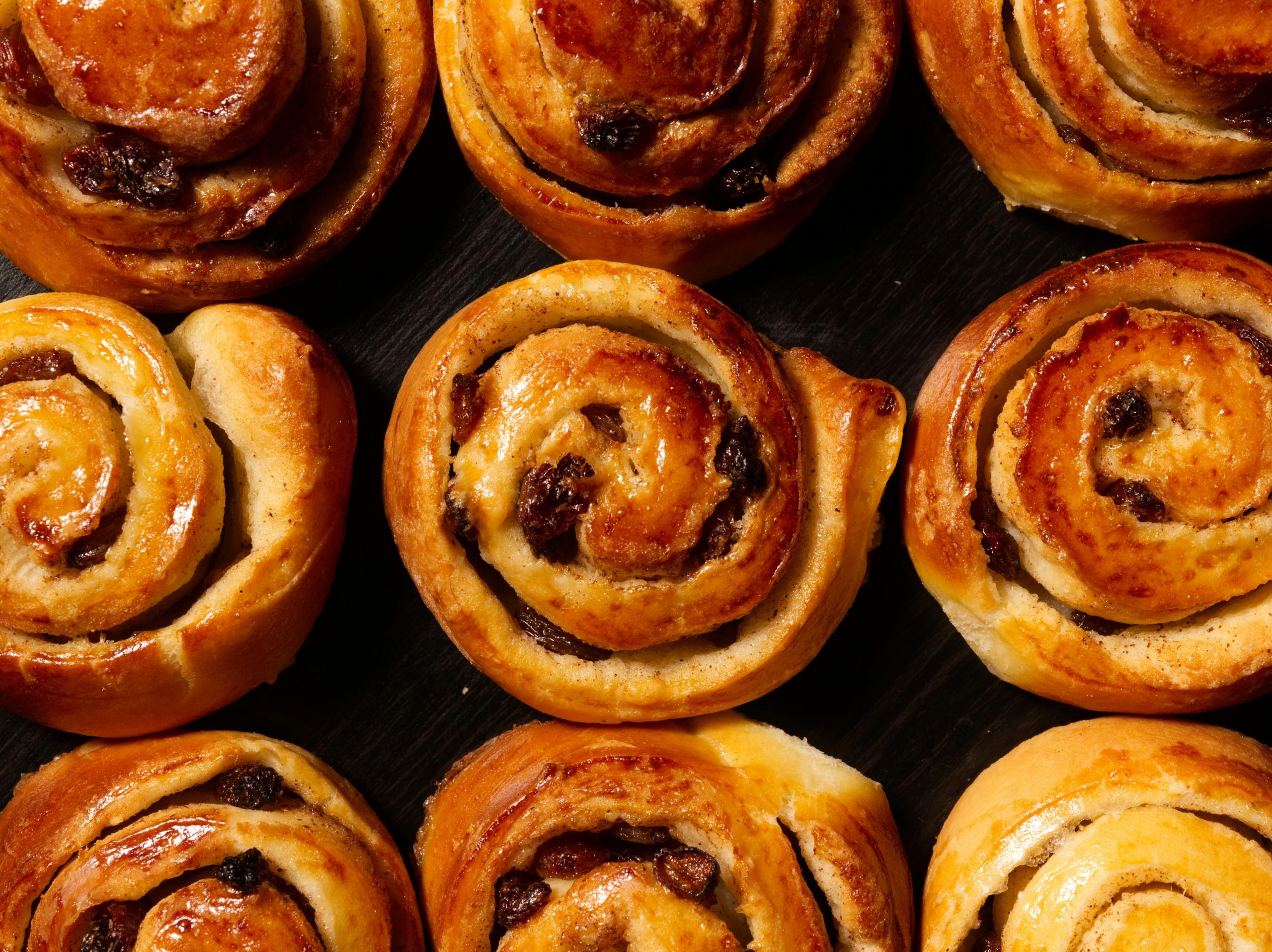
There is something undeniably comforting about a slice of cake. For many of us, specific flavors trigger deep-seated memories: the jammy sweetness of a Victoria Sponge at a summer fete, the warm comfort of Sticky Toffee Pudding on a rainy Sunday, or the crumbly perfection of a scone during a cream tea.
However, for those transitioning to a plant-based lifestyle, the world of baking can suddenly feel like a minefield. Traditional British baking relies heavily on the “holy trinity” of dairy: butter, eggs, and milk.
Removing them often leads to fears of flat sponges, dry textures, or—perhaps worst of all—having to scour health food stores for obscure ingredients like xanthan gum or aquafaba to make a simple biscuit.
But it doesn’t have to be that way. Developing vegan versions of classic British bakes is one of my passions, and I have discovered that you don’t need a chemistry degree or a specialized pantry to get delicious results. In fact, some of the best vegan bakes come from using humble, everyday ingredients you likely already have in your cupboard.
In this guide, we are going to walk through five essential British classics. These straightforward recipes have no weird ingredients and include detailed instructions to help inexperienced bakers achieve a perfect rise, a moist crumb, and that nostalgic taste we all crave. Whether you are fully vegan, cooking for a friend, or just trying to cut down on dairy, these recipes prove that plant-based baking can be just as indulgent as the original.
The Philosophy: Why “Simple” is Better
Before we preheat the oven, let’s talk about ingredients. A common misconception is that vegan baking requires expensive replacements. While commercial egg replacers exist, they often impart a rubbery texture or a strange aftertaste.
Instead, my philosophy focuses on the chemistry of reaction. Baking is science, after all. We need fat for richness, sugar for structure and moisture, and a raising agent for lift.
Here is what we will be using instead of the traditional dairy lineup:
- Plant Milk + Vinegar (Buttermilk): When you mix soy or almond milk with a splash of apple cider vinegar or lemon juice, it curdles slightly. This creates a vegan “buttermilk” that adds incredible lift and tenderness to sponges.
- Oil vs. Vegan Butter: For cakes that need to be light and airy (like a lemon drizzle), neutral oil is often superior to butter because it keeps the cake moist for longer. For biscuits and buttercream, however, we will stick to block vegan butter (not the spreadable tub kind!) to hold structure.
- Self-Raising Flour: The stalwart of British baking. It already contains the baking powder you need, simplifying the process.
Now, let’s get into the bakes.
1. The Crown Jewel: Vegan Victoria Sponge
The Victoria Sponge is the litmus test for any baker. It requires a delicate balance—light enough to feel elegant, but sturdy enough to hold a thick layer of strawberry jam and cream. Without eggs to provide structure, many vegan sponges end up dense. The secret here is the “buttermilk” method combined with a gentle hand when mixing.
Ingredients
For the Sponge:
- 300g Self-raising flour
- 200g Caster sugar
- 1 tsp Baking powder
- 1/2 tsp Bicarbonate of soda
- 150ml Vegetable or Sunflower oil
- 280ml Soy milk (sweetened or unsweetened)
- 1 tbsp Apple cider vinegar
- 1 tsp Vanilla extract
For the Filling:
- 150g Vegan block butter, softened
- 300g Icing sugar
- 1 tsp Vanilla extract
- Strawberry or Raspberry jam (generous amount)
- Fresh strawberries (optional)
Step-by-Step Method
- Preheat and Prep: Heat your oven to 180°C (160°C Fan/350°F). Grease two 20cm sandwich tins and line the bases with baking parchment.
- Make the Buttermilk: In a jug, whisk the soy milk and vinegar together. Let it sit for 5-10 minutes until it looks slightly thickened and curdled. This acidity is crucial—it reacts with the bicarbonate of soda to give the cake its lift.
- Mix Dry Ingredients: In a large bowl, sift together the flour, sugar, baking powder, and bicarbonate of soda. Whisking dry ingredients ensures the raising agents are evenly distributed, preventing uneven rising.
- Combine: Pour the oil, vanilla, and prepared milk mixture into the dry ingredients. Whisk until just combined. Do not overmix! If you beat it too hard, you develop the gluten, resulting in a rubbery cake. The batter should be smooth, but don’t worry about tiny lumps.
- Bake: Divide the batter evenly between the two tins. Bake for 25-30 minutes. You’ll know they are done when they are golden brown, shrinking slightly away from the edges, and a skewer inserted comes out clean.
- Cool: Let them cool in the tins for 10 minutes, then transfer to a wire rack to cool completely.
- The Buttercream: Beat the softened vegan butter until pale. Sift in the icing sugar gradually, beating constantly until fluffy. Add vanilla.
- Assemble: Spread a thick layer of jam on one sponge, pipe or spread the buttercream on top (or vice versa, depending on your preference), and sandwich the second sponge on top. Dust with icing sugar.
- Why this works: The oil ensures the cake stays moist for days, while the vinegar/bicarb reaction mimics the lift usually provided by whipped eggs.
2. The Afternoon Tea Staple: Fluffy Vegan Scones
Scones are notoriously tricky. They can easily turn into rock cakes if handled too roughly. The challenge with vegan scones is getting that rich, buttery flavor and the crumbly texture without dairy fat. We achieve this by keeping everything cold and handling the dough as little as possible.
Ingredients
- 350g Self-raising flour (plus extra for dusting)
- 1 tsp Baking powder
- Pinch of salt
- 85g Cold vegan block butter (cubed)
- 40g Caster sugar
- 150ml Soy milk
- 1 tsp Lemon juice
- Extra milk for glazing
Step-by-Step Method
- Prep the Liquid: Mix the soy milk and lemon juice and set aside to thicken slightly.
- Rub in the Fat: Place flour, baking powder, and salt in a large bowl. Add the cubes of cold butter. Using your fingertips, rub the butter into the flour until the mixture resembles fine breadcrumbs. Lift the flour high as you rub it to aerate the mix.
- Sweeten: Stir in the sugar.
- Bind: Make a well in the center and pour in the milk mixture. Use a cutlery knife to stir it together. Stop as soon as it clumps together into a dough. It will look a bit shaggy—that is perfect.
- Fold, Don’t Knead: Tip the dough onto a lightly floured surface. Do not knead it like bread! Instead, gently fold the dough over itself 2-3 times to create layers. Pat it down with your hands to a thickness of about 2.5cm (1 inch).
- Cut: Dip a round cutter in flour and stamp out your scones. Push straight down—do not twist the cutter, or the scones won’t rise evenly.
- Bake: Place on a baking tray, brush the tops with a little soy milk, and bake at 220°C (200°C Fan/425°F) for 12-15 minutes until risen and golden.
- Serving Suggestion: Serve warm with clotted cream (coconut cream or oat-based crème fraîche works wonders) and jam. And remember, in Cornwall, it’s jam first; in Devon, it’s cream first. You decide!
3. The Zesty Favourite: Lemon Drizzle Loaf
Lemon drizzle is arguably the most popular cake in Britain. It’s sharp, sweet, and incredibly moist. This recipe is virtually foolproof and relies on yogurt to replace the eggs, providing a dense, tight crumb that holds the syrup perfectly.
Ingredients
For the Cake:
- 275g Self-raising flour
- 200g Caster sugar
- 1 tsp Baking powder
- Zest of 2 lemons
- 125ml Vegetable oil
- 150g Unsweetened soy or coconut yogurt
- 100ml Plant milk
For the Drizzle:
- Juice of 2 lemons
- 75g Granulated sugar
Step-by-Step Method
- Aromatic Sugar: Before mixing, rub the lemon zest into the sugar with your fingers. This releases the lemon oils into the sugar, ensuring the flavor permeates the entire cake.
- Wet and Dry: Mix the yogurt, oil, and milk in one jug. Mix the flour, baking powder, and lemon sugar in a bowl.
- Combine: Pour the wet into the dry and mix until smooth. The yogurt makes this batter quite thick—that’s normal.
- Bake: Pour into a lined 2lb loaf tin and bake at 180°C (160°C Fan) for 45-55 minutes. If it starts browning too quickly, cover loosely with foil after 30 minutes.
- The Drizzle: While the cake is baking, mix the lemon juice and granulated sugar. You don’t want the sugar to dissolve completely; the crunch is characteristic of a good drizzle.
- Soak: Poke holes all over the hot cake with a skewer. Pour the drizzle over slowly, letting it sink in. Leave to cool completely in the tin.
- Why this works: Yogurt is an excellent egg replacer in dense loaf cakes. It provides protein and structure without drying out the crumb, allowing the lemon syrup to soak through without making the cake mushy.
4. The Comfort King: Vegan Sticky Toffee Pudding
Rich, dark, and decadent. Sticky Toffee Pudding relies heavily on dates for its flavor and texture, which naturally lends itself to vegan baking because dates are sticky and binding. The challenge is the toffee sauce—traditionally made with heavy cream. We swap that for coconut cream or a rich oat cream.
Ingredients
For the Pudding:
- 200g Pitted dates, chopped
- 250ml boiling water
- 1 tsp Bicarbonate of soda
- 75g Vegan butter, softened
- 75g Dark brown soft sugar
- 75g Black treacle (molasses)
- 200g Self-raising flour
- 1 tsp Mixed spice (optional)
For the Toffee Sauce:
- 150g Dark brown soft sugar
- 100g Vegan butter
- 200ml Vegan double cream (oat or coconut-based)
- Pinch of sea salt
Step-by-Step Method
- Date Soak: Put chopped dates in a bowl and pour boiling water. Stir in the bicarbonate of soda and let it sit for 10 minutes. The mixture will froth up, and the dates will soften into a mush. This is the base of your pudding.
- Cream: Beat the butter, sugar, and treacle until smooth.
- Combine: Stir in the flour and spice, then fold in the date mixture (including the liquid).
- Bake: Pour into a greased baking dish (approx 20x20cm). Bake at 180°C (160°C Fan) for 30-35 minutes until springy to the touch.
- The Sauce: Melt the sugar and butter in a saucepan over medium heat. Once bubbling, stir in the cream and salt. Simmer for 2-3 minutes until it darkens and thickens into a glossy caramel.
- Serve: Poke holes in the warm pudding and pour over half the sauce. Serve slices with the remaining sauce and a scoop of vanilla ice cream.
5. The Sweet Treat: Millionaire’s Shortbread
Also known as Caramel Shortbread, this features three distinct layers: a crumbly biscuit base, a chewy caramel center, and a snap of chocolate on top. The caramel is the hurdle here. Traditional recipes boil condensed milk. We will make our own quick caramel using sugar and coconut milk.
Ingredients
Base:
- 200g Plain flour
- 125g Vegan butter, cold and cubed
- 50g Caster sugar
Caramel:
- 150g Vegan butter
- 150g Light brown soft sugar
- 397g tin of Condensed Coconut Milk (or make a caramel from scratch with sugar and coconut cream)
- 2 tbsp Golden syrup
Topping:
- 200g Dark chocolate
- 1 tsp Coconut oil (for shine)
Step-by-Step Method
- The Shortbread: Rub the butter into the flour and sugar until it forms a dough. Press firmly into a square tin. Prick with a fork and bake at 180°C for 20 minutes until pale golden. Cool.
- The Caramel: This requires attention. Place all caramel ingredients in a saucepan. Melt slowly, then turn up the heat to a gentle boil. You must stir constantly—if you stop, it will burn on the bottom. Boil for 5-8 minutes until it reaches a temperature of 116°C (soft ball stage) or until it thickens and pulls away from the side of the pan.
- Set: Pour caramel over the cooled biscuit base. Let it sit in the fridge for at least an hour.
- Chocolate: Melt chocolate and coconut oil together. Pour over the set caramel.
- Slice: Allow the chocolate to set at room temperature (if you refrigerate it, the chocolate will crack when cut). Slice into squares with a hot knife.
Troubleshooting Common Vegan Baking Issues
Even with the best recipes, things can go awry. Here is how to fix common plant-based baking problems:
The cake didn’t rise: Your raising agents might be old. Baking powder loses potency over time. Also, get the cake in the oven immediately after mixing the wet and dry ingredients. The chemical reaction starts instantly!
- The center is gummy: This usually means the oven was too hot, cooking the outside before the inside, or you used too much liquid. Check your oven temperature with an internal thermometer.
- The cookies spread too much: Vegan butter melts faster than dairy butter. Always chill your cookie dough for at least 30 minutes before baking to solidify the fats.
Ready to Get Baking?
Vegan baking is not about compromise; it is about creativity. These five recipes prove that with flour, sugar, oil, and plant milk, you can recreate the textures and tastes of traditional British teatime.
The next time you are craving a slice of Victoria Sponge or a sticky square of shortbread, give these recipes a try. You might find that the vegan version becomes your new family favorite.
