
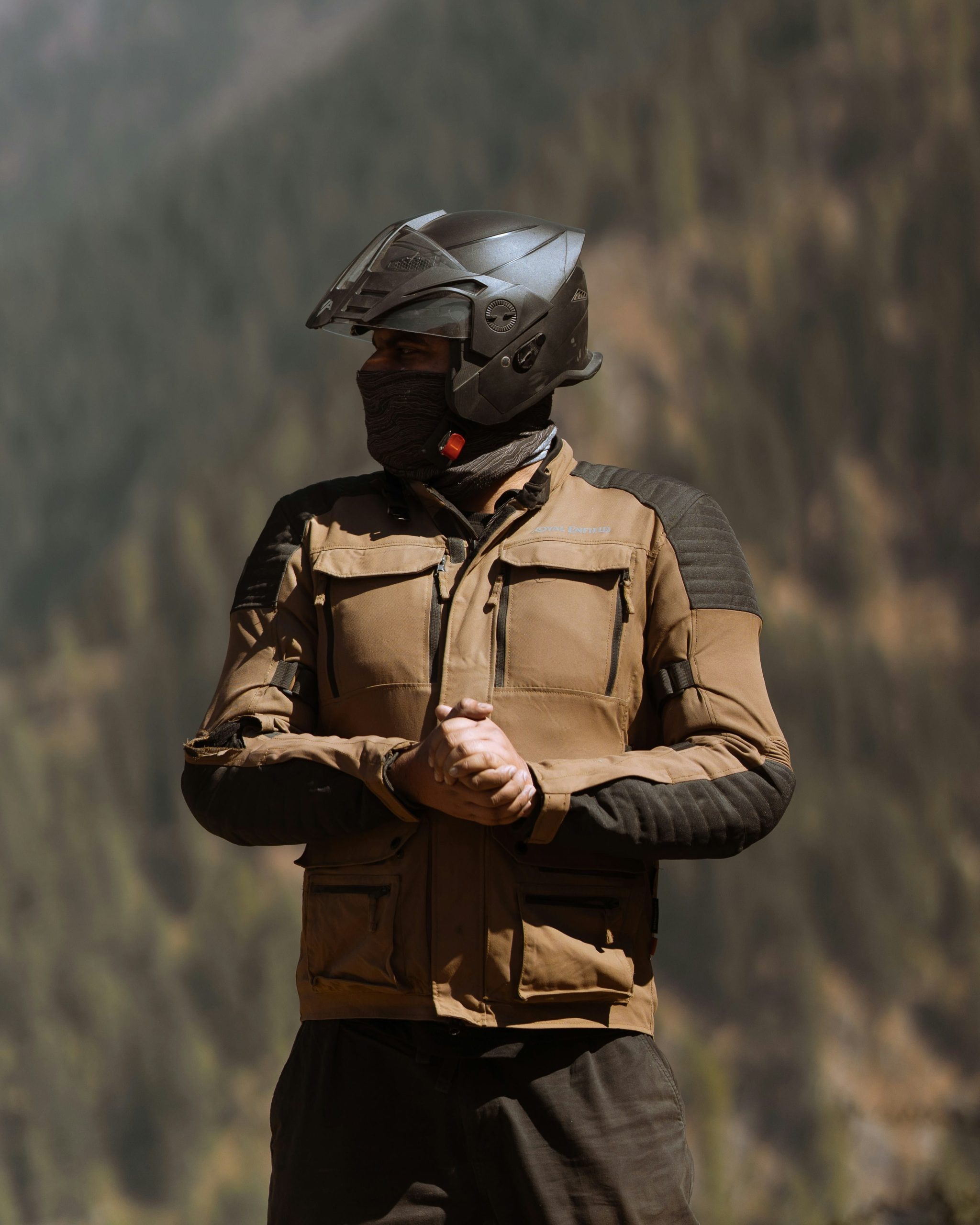
The thrill of twisting the throttle and leaning into a curve is what keeps riders coming back to the road. But every experienced motorcyclist knows that the open road demands respect. While the aesthetic appeal of a leather jacket or a sleek textile mesh is undeniable, the true value of your gear lies in what you can’t always see from the outside.
Safety on two wheels is about risk management. When you don’t have a steel cage surrounding you, your gear is the only thing standing between your skin and the asphalt. Among the zippers, vents, and pockets, one component does the heavy lifting when things go sideways: the armour. Understanding how this protective technology works and where you need it most can make the difference between walking away from a slide or taking a ride in an ambulance.
The Unseen Hero: Why Armour Matters
When browsing for a new jacket, it is easy to get distracted by brand names, colourways, and ventilation systems. However, the most important safety feature in any riding jacket is the armour built into the jacket’s design.
In the unfortunate event of a fall or collision, armour acts as your first line of defence against abrasions and impact injuries. The physics of a motorcycle accident are brutal; when a rider hits the ground, the force is concentrated on specific points of the body. Without protection, these impact points absorb the full shock, leading to fractures and severe bruising.
High-quality riding armour is designed to absorb and disperse this energy. Instead of a single point on your shoulder taking 100% of the blow, the armour spreads that force across a wider surface area and dampens the shock. Furthermore, modern armour often uses materials that are flexible while riding but harden upon impact, giving you comfort without compromising safety.
The Critical Zones: Shoulders, Elbows, and Back
Not all body parts are equally exposed during a crash. Through decades of analysing accident data, gear manufacturers have identified the contact points that hit the ground first. The key areas to consider when evaluating armour are the shoulders, elbows, and back, which are the most vulnerable during an accident.
Shoulders
Your shoulders are often the widest part of your profile and frequently take the initial brunt of an impact, especially in “high-side” accidents where a rider is thrown over the bike. Shoulder armour cups the joint, protecting the complex structure of bone and ligament from crushing forces. It also provides a vital layer of abrasion resistance, as the shoulder is a common pivot point during a slide.
Elbows
Reflexively, humans put their arms out to break a fall. On a motorcycle, this instinct can be dangerous. Your elbows are bony prominences with very little natural cushioning. If you slide or tumble, your elbows are almost guaranteed to make contact with the road. Elbow armour acts as an artificial cushion, preventing the bone from shattering upon impact and protecting the skin from being ground down by friction.
Back
The most vital piece of the puzzle is back protection. The spine is central to your body’s movement and function, and injuries here can be life-altering. While many jackets come with a simple foam pad, this is often just a placeholder. Upgrading to a certified back protector—either an insert that slides into the jacket or a standalone wearable vest—is one of the smartest safety investments a rider can make. This armour protects the spinal column and ribs from direct impacts against curbs, vehicles, or the road surface.
Ensuring the Right Fit
Having the best armour in the world means nothing if it isn’t in the right place when you crash. This is why the fit of your jacket is just as important as the materials it is made from.
When you try on a jacket, the armour should sit snugly over the joint it is meant to protect. It shouldn’t rotate around your arm or slide down toward your forearm. If the armour moves too freely, it could shift away from the impact zone during a crash, leaving your bone exposed. Many jackets offer adjustable straps on the arms and waist to help you secure the pads in the correct position.
Ride Smart, Dress Smarter
Motorcycling requires a balance of skill, awareness, and preparation. While you can’t control every variable on the road, you have complete control over what you wear. Prioritising high-quality armour in the shoulders, elbows, and back isn’t just about following safety guidelines; it’s about ensuring you can get back on the bike for another ride. Before you head out on your next adventure, take a look at your gear and ask yourself if your armour is up to the task.
