
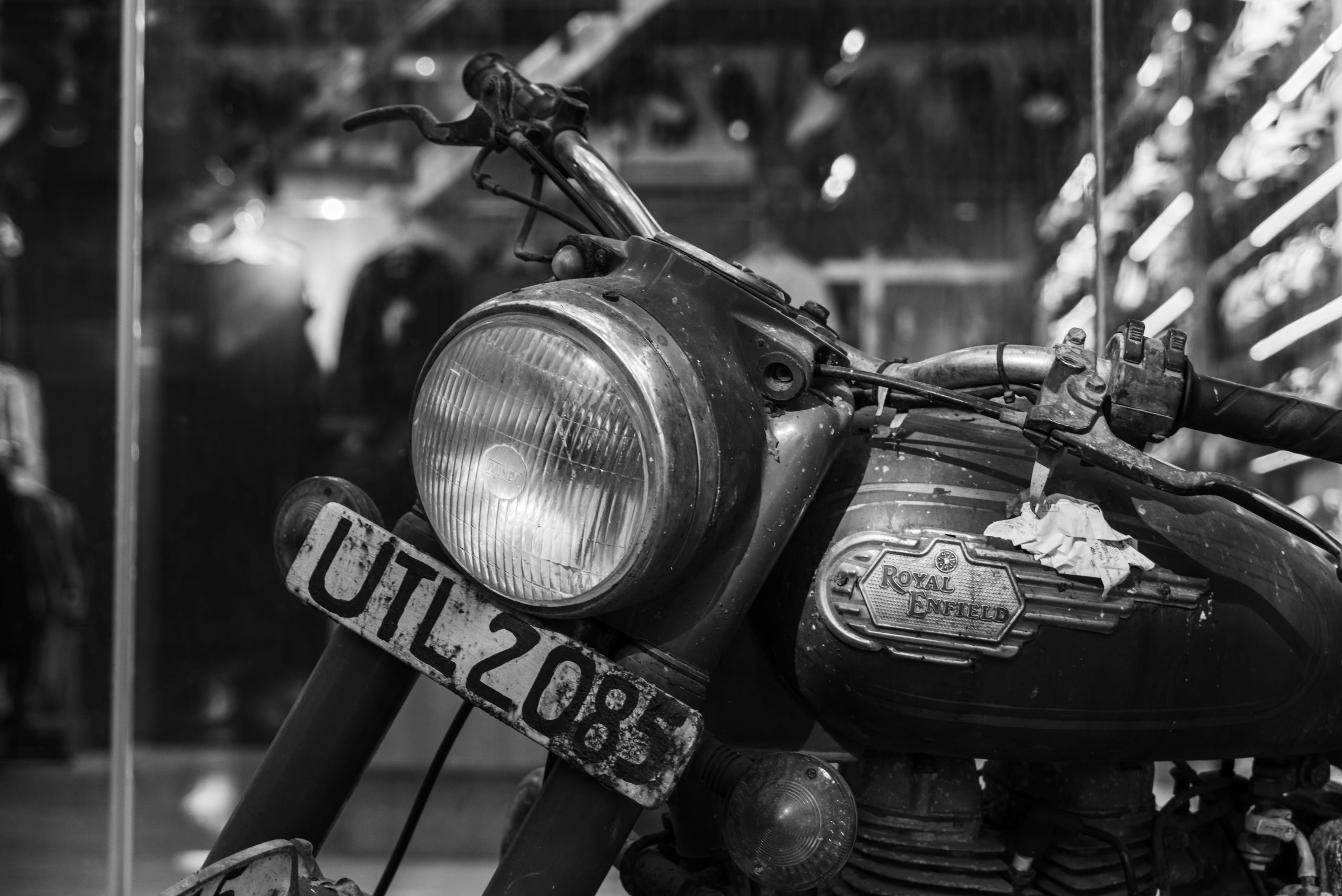
The roar of an engine. The gleam of chrome in the sun. The sight of leather vests adorned with patches. For many, these images evoke a sense of freedom, adventure, and perhaps a touch of mystery. Motorcycle culture is more than just riding bikes; it is a deep-seated subculture built on loyalty, brotherhood, and a shared passion for the open road.
While popular media often dramatises the world of motorcycle clubs (MCs), the reality is a complex tapestry of history, tradition, and community. From the early days of veterans seeking camaraderie to the modern global networks of riders, this culture has evolved into a unique social phenomenon.
This article explores the roots of motorcycle culture, the structure of clubs, and the values that bind these communities together. Whether you are a rider yourself, an enthusiast, or simply curious about this fascinating world, read on to understand what truly drives the brotherhood.
The Roots of Rebellion: A History of Motorcycle Culture
To understand the modern motorcycle club, we have to look back at where it all began. The motorcycle itself was an invention of convenience and thrill, but the culture was born out of a need for connection.
The Post-War Boom
The true catalyst for motorcycle culture as we know it today was the end of World War II. Thousands of young men returned home from the war, having experienced the adrenaline of combat and the deep bonds of brotherhood in their platoons. Civilian life often felt mundane and isolating by comparison.
Simultaneously, there was a surplus of military motorcycles, particularly Harleys and Indians, being sold off cheaply. These veterans bought them up, modified them (creating the “bobber” style by removing excess weight for speed), and formed clubs to ride together. They sought the camaraderie they had lost after the war.
The Hollister Incident and the “1%er”
A pivotal moment in motorcycle history occurred in July 1947 in Hollister, California. The American Motorcyclist Association (AMA) sanctioned a rally that got a bit rowdy. The media sensationalised the event, painting bikers as lawless hooligans.
In response, the AMA allegedly stated that 99% of motorcyclists were law-abiding citizens, implying that only 1% were troublemakers. This statement—whether officially made or mythologised—gave birth to the term “1%er.” Outlaw motorcycle clubs embraced this label, wearing “1%” patches to signify their rejection of mainstream societal norms and AMA regulations. This split created two distinct paths in motorcycle culture: the riding clubs (RCs) focused on the hobby, and the MCs focused on a lifestyle of total commitment.
The Structure of a Motorcycle Club
Motorcycle clubs are not just loose gatherings of friends; they are highly organised hierarchies with clear rules, ranks, and protocols. This structure ensures discipline and order within the group.
The Hierarchy
Most traditional MCs follow a military-style ranking system. While it varies by club, the standard progression typically looks like this:
- President: The leader of the chapter, responsible for executive decisions and representing the club in dealings with others.
- Vice President: The second-in-command, stepping in when the President is absent and often handling internal discipline.
- Sergeant at Arms: The enforcer. They are responsible for the safety of the club and its members, ensuring rules are followed and handling security.
- Secretary/Treasurer: Handles the administrative side, including finances, meeting minutes, and record-keeping.
- Road Captain: In charge of the logistics of a run (ride). They plan the route, ensure safety on the road, and lead the pack.
- Member (Patch Holder): A full member who has earned the right to wear the club’s full colours (patch).
- Prospect (Probate): A potential member who is in a probationary period. They do the grunt work and must prove their loyalty before becoming a full member.
- Hangaround: Someone who spends time with the club to get to know the members but has not yet expressed a formal intent to join or been invited to prospect.
The Significance of the “Cut”
The vest worn by MC members, known as a “cut” or “colours,” is sacred property. It is not just a piece of clothing; it is the member’s identity and resume.
The back of the vest usually features a three-piece patch:
- Top Rocker: The name of the club.
- Centre Patch: The club’s logo or emblem.
- Bottom Rocker: The territory or location of the chapter (e.g., a state or city).
Other patches on the front can denote rank, years of service, or specific achievements. Disrespecting a member’s colours is considered a grave offence in this culture.
Brotherhood and Loyalty
The core value of any serious motorcycle club is brotherhood. This isn’t a casual friendship; it is a commitment to treat fellow members like family—often placing the club above everything else, sometimes even biological family or jobs.
The Bond of the Road
There is a unique psychology to riding in a pack. Moving as a single unit down the highway requires trust. You have to trust the rider next to you not to make a mistake that could take you down. This shared risk creates a bond that is hard to replicate in other social settings.
Support Systems
In a society that can often feel disconnected, MCs provide a powerful support system. If a member is in the hospital, the club is there. If a member struggles financially, the club often helps. This “all for one, one for all” mentality is a major draw for people seeking a sense of belonging and purpose.
The Prospecting Process
Brotherhood is not given; it is earned. The prospecting period can last anywhere from a few months to several years. During this time, the prospect is tested on their dedication, their ability to follow orders, and their compatibility with the group. It is a gruelling process designed to weed out those who aren’t fully committed. When a prospect finally earns their full patch, they know the men standing beside them have vetted them completely.
Motorcycle Culture as a Global Phenomenon
While its roots are American, motorcycle culture has spread to every corner of the globe. From the winding roads of Europe to the bustling streets of Southeast Asia, the ethos of the rider resonates worldwide.
International Chapters
Major clubs now have chapters in dozens of countries. This expansion demonstrates the universal appeal of the biker lifestyle. A member from a chapter in Texas can travel to a chapter in Germany and be welcomed as a brother. This global network is a testament to the strength of the culture’s foundational values.
Cultural Variations
While the core structure often mimics the American model, local cultures influence how clubs operate.In Japan, the Bosozoku culture (though declining) influenced motorcycle gangs with distinct bike modifications and attire, focusing on rebellious youth culture.
In the UK: The “Cafe Racer” culture of the 1960s—focused on speed and rock and roll—remains a significant part of British motorcycling heritage, distinct from the American cruiser style.
In Australia, the “Bikie” culture is prominent, with a history similar to the US, marked by strong club rivalries and a deep passion for custom machines.
The Role of Charity and CommunityIt is important to look past the “outlaw” stereotype. The vast majority of motorcycle clubs and riding organisations are heavily involved in charitable work.
Toy Runs and Fundraisers
“Toy Runs” are a staple of the biker calendar. During the holidays, thousands of bikers gather to parade through towns, collecting toys and money for underprivileged children. It is a powerful visual: tough-looking riders strapped with teddy bears, riding for a good cause.
Veteran Support
Given the military roots of the culture, it is no surprise that veteran support is a massive focus. Groups like the Patriot Guard Riders attend the funerals of fallen soldiers to show respect and shield grieving families from protestors. Many clubs are dedicated entirely to veterans, focusing on PTSD awareness and suicide prevention.
The Machines: Customisation and Identity
You cannot talk about the culture without talking about the bikes. In the MC world, the motorcycle is an extension of the rider.
The V-Twin Standard
While sport bikes and adventure bikes have their own subcultures, the traditional MC world is dominated by the American V-Twin engine—primarily Harley-Davidson. The sound, the feel, and the look of a cruiser are integral to the aesthetic.
Customisation as Expression
Stock bikes are rarely left alone. Riders customise their machines to fit their bodies and their personalities. High handlebars (ape hangers), custom paint jobs, loud exhausts, and performance upgrades are common. A bike must be reliable enough to cross the country but unique enough to stand out in a parking lot full of motorcycles.
Women in Motorcycle Culture
Historically, the traditional MC world has been male-dominated, with women often relegated to supportive roles. However, the landscape is shifting.
Riding Their Own
More women are riding their own motorcycles than ever before. While many traditional “1%er” clubs remain male-only due to tradition, the broader motorcycle culture has seen an explosion of female riders.
Women’s Motorcycle Clubs
There is a growing number of all-female MCs and riding clubs. Groups like the Motor Maids (established in 1940) paved the way, and modern clubs like the Litas or the Caramel Curves are redefining what a biker looks like. These women share the same passion for the road and brotherhood (or sisterhood) as their male counterparts.
The Future of the Culture
As the world changes, so does motorcycle culture. The demographics are shifting, and technology is advancing, presenting new challenges and opportunities for the lifestyle.
The Aging Demographic
One of the biggest challenges facing traditional clubs is the aging population of riders. The “Baby Boomer” generation that fueled the growth of Harley-Davidson and MCs is getting older. Attracting younger members who face different economic realities and have different interests (perhaps preferring sport bikes or electric motorcycles) is crucial for the survival of these institutions.
The Electric Debate
The rise of electric motorcycles is a contentious topic. For a culture that reveres the loud rumble of a combustion engine and the smell of gasoline, the silent torque of an electric bike is a hard sell. However, as regulations tighten and technology improves, the culture will inevitably have to adapt to the electric revolution.
Why We Ride
At the end of the day, motorcycle culture is about the ride. It is about that moment when the engine starts, the vibration moves through your hands, and the world shrinks down to the stretch of pavement ahead of you.
It is a culture that celebrates the individual while demanding intense loyalty to the group. It is a contradiction of freedom and strict rules. It is a history of veterans, rebels, and enthusiasts.
Whether you wear a three-piece suit, ride on weekends with a local group, or admire the machines from afar, the appeal is undeniable. It is a reminder that in a life full of obligations and screens, there is still a place for wind, noise, and the open road.
